Why Professionals Are Relying More on Audio-to-Text Workflows
As digital workflows continue to speed
up, professionals across industries are finding themselves under growing
pressure to work efficiently without sacrificing accuracy. Meetings,
interviews, training sessions, podcasts, and client calls generate large volumes
of spoken content every day. While audio is rich in detail and nuance, it is
difficult to search, reference, or reuse in its raw form. This is why many
organisations are increasingly turning to audio to
text workflows to transform spoken information into usable,
structured text.
By converting audio into written records,
professionals can streamline communication, improve documentation, and make
knowledge more accessible across teams.
The Growing Role of Audio in Professional Communication
Audio has become central to modern work.
Remote and hybrid environments rely heavily on video calls and recorded
discussions. Voice notes replace long emails, and interviews or presentations
are often recorded rather than transcribed manually. While this shift has made
communication more flexible, it has also created challenges when teams need to
revisit specific details later.
Without transcription, audio files must
be replayed in real time, making it difficult to locate key points or verify
decisions. Audio-to-text workflows solve this problem by turning spoken
conversations into searchable, reviewable documents.
Efficiency and Time Savings
One of the primary reasons professionals
adopt audio-to-text tools is efficiency. Manual note-taking during meetings
divides attention and increases the risk of missing important information.
Post-meeting summaries also take time to prepare and may be incomplete or
subjective.
Automated transcription allows
participants to focus fully on the discussion, knowing that a detailed record
will be available afterward. The resulting text can be scanned in minutes,
shared instantly, and stored for future reference, saving hours over traditional
methods.
Accuracy and Consistency in Documentation
Accuracy is critical in professional
settings, particularly in legal, financial, research, and healthcare
environments. Human note-taking is prone to omissions and interpretation
errors, especially in fast-moving conversations.
Modern audio-to-text systems use advanced
speech recognition models to capture spoken words consistently and objectively.
This creates a reliable reference point for decisions, agreements, and
follow-up actions. Having an accurate transcript also reduces misunderstandings
and disputes that can arise from vague or incomplete notes.
Cross-Industry Applications
Audio-to-text workflows are being adopted
across a wide range of professions:
Journalists and content creators use
transcripts to turn interviews into articles, quotes, and searchable archives.
Legal professionals rely on transcriptions for depositions, client
consultations, and case documentation.
Researchers and academics transcribe lectures, interviews, and focus groups for
analysis.
Sales and customer support teams review call transcripts to identify trends,
objections, and training opportunities.
Media producers convert podcasts and videos into written content for
distribution and search visibility.
The versatility of transcription makes it
a foundational tool rather than a niche solution.
Accessibility and Inclusion Benefits
Audio-only content is not accessible to
everyone. Individuals who are deaf or hard of hearing, non-native speakers, or
those in environments where audio playback is impractical all benefit from
written alternatives.
Providing text versions of spoken content
supports inclusive communication and allows information to be consumed in
different ways. For organisations, this improves reach and ensures that
important material is available to all stakeholders regardless of their
circumstances.
Searchability and Knowledge Management
One of the most significant advantages of
converting audio to text is searchability. Text can be indexed, tagged,
highlighted, and analysed in ways audio cannot. Professionals can quickly
locate specific terms, decisions, or action items without replaying long
recordings.
For organisations managing large volumes
of recorded content, transcription turns audio archives into valuable knowledge
repositories rather than static files.
Supporting Remote and Asynchronous Work
Asynchronous work has become more common,
especially in global or distributed teams. Not everyone can attend every
meeting or call, but everyone still needs access to the information discussed.
Audio-to-text workflows ensure that
absent team members can review conversations quickly and accurately. Reading a
transcript is often far more efficient than watching or listening to a full
recording, making alignment easier across time zones.
Integration with Existing Tools
Modern transcription solutions often
integrate seamlessly with productivity platforms such as document editors,
project management tools, and CRM systems. This allows transcribed text to flow
directly into workflows where it can be edited, assigned, or analysed.
This integration reduces friction and
ensures that captured information moves smoothly from conversation to action.
Industry Perspective on Transcription and Productivity
Industry analysts consistently highlight
automation as a key driver of productivity gains. According to McKinsey & Company, automation
technologies that reduce manual administrative work allow professionals to
focus more on high-value tasks such as decision-making and creative
problem-solving.
Audio-to-text workflows align closely
with this trend by removing the burden of manual transcription and note-taking.
Meeting Rising Expectations for Documentation
Clients, regulators, and internal teams
increasingly expect thorough documentation of discussions and decisions.
Transcripts provide a clear audit trail and support transparency,
accountability, and compliance without adding administrative overhead.
As expectations rise, organisations that
rely solely on informal notes risk falling behind more structured,
technology-supported workflows.
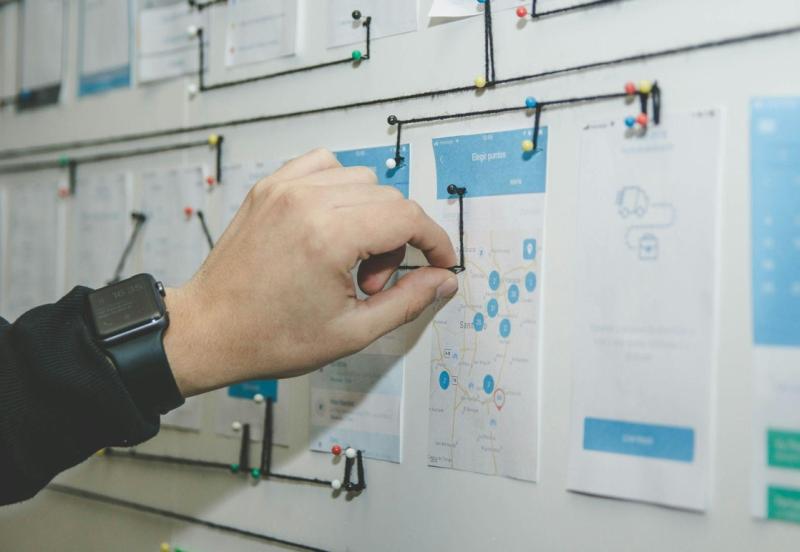
Photo in this article by Alvaro Reyes on
Unsplash
Post Your Ad Here
Comments