Top Emerging Trends Shaping the Future of Real-World Asset Tokenization in 2026
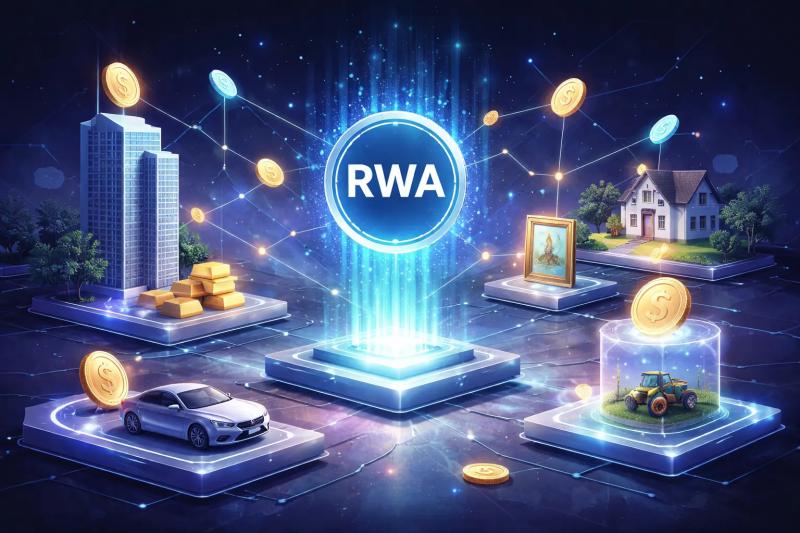
Real-world asset (RWA) tokenization represents one of the most transformative trends in blockchain and finance, bridging the gap between traditional assets and the decentralized digital ecosystem. By converting tangible assets—such as real estate, commodities, and fine art—into digital tokens on a blockchain, tokenization creates opportunities for fractional ownership, enhanced liquidity, and global accessibility. As we move deeper into 2026, several emerging trends are shaping the future of RWA tokenization, redefining how investors, institutions, and technology platforms interact with physical assets.
Understanding Real-World Asset Tokenization
Before delving into trends, it is essential to understand the underlying mechanics of real-world asset tokenization. At its core, tokenization involves representing ownership of an asset through a digital token, which is recorded on a blockchain ledger. These tokens can be fractionalized, traded, or integrated into decentralized finance (DeFi) applications, providing unprecedented flexibility compared to traditional asset ownership.
Tokenization not only facilitates global trading but also introduces enhanced transparency, as blockchain’s immutable records reduce the risk of fraud and mismanagement. Additionally, smart contracts automate ownership verification, dividend distribution, and compliance processes, streamlining operations for both investors and asset managers. In 2026, the convergence of blockchain maturity, regulatory clarity, and financial innovation is accelerating RWA tokenization adoption across multiple sectors.
1. Fractional Ownership and Democratized Investment
One of the most significant trends in RWA tokenization is the rise of fractional ownership. Traditionally, investing in high-value assets such as commercial real estate, industrial warehouses, or luxury collectibles required substantial capital, limiting access to high-net-worth individuals or institutional investors. Tokenization allows these assets to be divided into smaller digital units, enabling investors to participate with lower capital commitments.
This democratization extends to global investors, as blockchain removes geographical barriers. Investors in Asia can acquire fractional ownership of European commercial properties, while individuals in the U.S. can gain exposure to emerging market commodities. Platforms supporting fractionalized RWA token sales are expected to increase in sophistication, integrating robust compliance frameworks and real-time asset valuation. By 2026, fractional ownership is likely to become a standard feature for most tokenized real-world assets, driving higher market participation and liquidity.
2. Integration with Decentralized Finance (DeFi) Platforms
The integration of tokenized assets with decentralized finance ecosystems is another transformative trend. Tokenized RWAs can be utilized as collateral in lending protocols, traded on decentralized exchanges, or employed in yield-generating strategies. This convergence effectively converts traditionally illiquid assets into dynamic financial instruments.
For instance, tokenized real estate can be used as collateral to borrow stablecoins, enabling liquidity without requiring asset liquidation. Similarly, tokenized commodities, such as gold or oil, can participate in DeFi derivatives and structured finance protocols, providing hedging opportunities previously reserved for institutional markets. In 2026, DeFi platforms are expected to incorporate sophisticated RWA mechanisms, including risk assessment algorithms and automated compliance checks, enhancing both usability and investor confidence.
3. Regulatory Clarity and Institutional Adoption
Regulatory frameworks around tokenized assets are evolving rapidly, particularly in mature markets such as the United States, Europe, and Singapore. Clearer regulations are encouraging institutional participation, as banks, investment funds, and asset managers can integrate tokenized assets into their portfolios without legal ambiguity.
In 2026, we anticipate an increase in government-sanctioned tokenization frameworks, defining standards for custody, auditing, and investor protection. Regulatory clarity also paves the way for hybrid financial products that combine traditional securities with blockchain-based tokenization, creating innovative investment instruments. Institutions are increasingly leveraging tokenization to enhance asset liquidity, manage fractional ownership, and improve operational efficiency, marking a shift toward broader acceptance of blockchain in conventional finance.
4. Enhanced Liquidity in Previously Illiquid Markets
Liquidity has historically been a barrier for real-world assets, particularly in sectors such as private real estate, fine art, and rare collectibles. Tokenization transforms illiquid assets into tradable digital units, enabling quicker and more efficient exchanges. Platforms supporting secondary markets for tokenized assets are becoming more sophisticated, offering instant settlement, transparent pricing, and real-time market data.
By 2026, we can expect the liquidity of tokenized RWAs to approach that of traditional public markets. Automated market-making algorithms and decentralized exchange protocols will reduce bid-ask spreads, while fractional ownership ensures that smaller investors can participate in markets previously dominated by institutional buyers. Enhanced liquidity not only benefits investors but also incentivizes asset owners to tokenize their holdings, creating a self-reinforcing ecosystem.
5. Tokenization of Diverse Asset Classes
While real estate remains the most prominent RWA category, tokenization is rapidly expanding into other asset classes. Commodities, including precious metals, agricultural produce, and energy resources, are increasingly being tokenized for trading and investment. Luxury goods such as artwork, vintage automobiles, and rare collectibles are also entering the tokenized space, with provenance verified through blockchain records.
Additionally, industrial and logistical infrastructure, including warehouses, data centers, and energy facilities, is being tokenized to attract a broader investor base. These emerging asset classes not only diversify investor portfolios but also leverage the efficiencies of blockchain technology to improve transparency, traceability, and operational management.
6. AI and Data-Driven Asset Valuation
The application of artificial intelligence (AI) and machine learning in RWA tokenization is an emerging trend expected to gain momentum in 2026. Accurate asset valuation is critical for investor confidence, and AI models can process extensive datasets, including market trends, historical transactions, and macroeconomic indicators, to provide real-time pricing insights.
By integrating AI into tokenization platforms, investors can access dynamic asset valuations, predictive risk assessments, and automated portfolio optimization. AI-driven analytics also enable tokenization platforms to adjust fractional pricing, liquidity mechanisms, and collateral requirements based on market conditions, reducing volatility and enhancing the overall efficiency of RWA markets.
7. Cross-Border Asset Tokenization
Globalization and blockchain interoperability are driving cross-border tokenization, allowing investors and institutions to participate in foreign asset markets seamlessly. Interoperable blockchains, standardized token protocols, and compliant digital custodians facilitate transactions that comply with international regulations, tax requirements, and reporting standards.
Cross-border tokenization expands market reach for asset owners, providing access to a larger pool of investors while improving capital efficiency. By 2026, cross-border platforms are expected to standardize compliance, settlement, and reporting processes, enabling real-time transactions across multiple jurisdictions without compromising legal or financial integrity.
8. Sustainability and ESG-Linked Tokenization
Sustainability and environmental, social, and governance (ESG) considerations are increasingly influencing investment decisions. Tokenization platforms are starting to integrate ESG metrics into asset evaluation, enabling investors to assess environmental and social impact alongside financial performance.
For example, real estate tokens may represent energy-efficient buildings, while agricultural tokens could track carbon sequestration or sustainable farming practices. ESG-linked tokenization not only aligns with investor preferences but also facilitates reporting, accountability, and compliance with emerging global sustainability standards. In 2026, ESG-conscious tokenization is poised to become a key differentiator for platforms and asset managers.
9. Security, Compliance, and Risk Management Innovations
As RWA tokenization grows, security and compliance remain critical challenges. Platforms are implementing advanced cryptographic techniques, multi-party computation, and decentralized custody solutions to protect digital assets. Additionally, smart contracts are increasingly used to enforce compliance rules automatically, such as transfer restrictions, KYC/AML checks, and investor eligibility criteria.
Risk management innovations include insurance protocols for tokenized assets, blockchain-based auditing tools, and automated dispute resolution mechanisms. By 2026, tokenization platforms will combine robust cybersecurity, regulatory compliance, and risk mitigation frameworks to ensure investor confidence and operational reliability.
10. Interoperability with Traditional Financial Systems
For RWA tokenization to achieve mainstream adoption, interoperability with traditional financial systems is crucial. Tokenized assets need seamless integration with banking infrastructure, payment networks, and trading platforms. Emerging solutions involve bridging blockchain-based tokens with traditional securities, enabling clearing, settlement, and custody in familiar financial environments.
Banks, brokers, and payment processors are increasingly collaborating with tokenization platforms to facilitate seamless deposits, withdrawals, and settlements. By 2026, integrated ecosystems combining tokenized and traditional assets will likely dominate investment portfolios, enhancing accessibility, efficiency, and liquidity across markets.
Conclusion
The evolution of real-world asset tokenization in 2026 is driven by a combination of technological innovation, regulatory clarity, and investor demand for accessible, liquid, and globally tradable assets. Fractional ownership, DeFi integration, AI-driven valuation, cross-border trading, ESG considerations, and robust security measures are shaping a future where tokenized assets become an integral component of modern finance.
As blockchain interoperability improves and institutional adoption grows, tokenization will unlock new investment opportunities, redefine liquidity, and transform asset management practices worldwide. By understanding these emerging trends, investors, asset managers, and technology platforms can navigate the complexities of the RWA tokenization landscape and harness its full potential for the years ahead.
Post Your Ad Here
Comments