What Makes Sea Freight in South Africa a Cost-Smart Shipping Option?
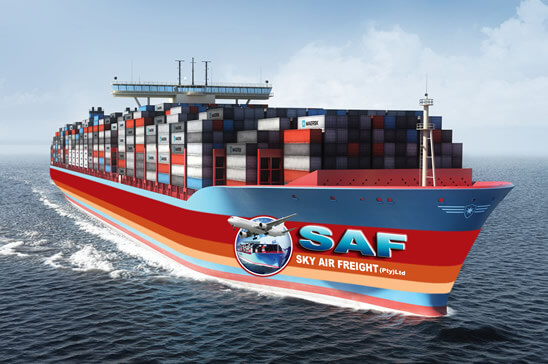
Cost Advantages of Ocean-Based Shipping
Sea freight offers a lower cost per unit compared to other transportation modes, particularly for bulk, heavy, or oversized cargo. Ocean vessels are designed to carry massive volumes, allowing shipping costs to be distributed across thousands of containers. By choosing Sea Freight In South Africa, businesses benefit from flexible container options such as Full Container Load (FCL) and Less than Container Load (LCL), enabling them to pay only for the space they need. This scalability makes sea freight especially attractive for growing companies and high-volume traders.
Strategic Port Infrastructure in South Africa
South Africa is home to some of Africa’s busiest and most advanced ports, including Durban, Cape Town, Gqeberha, Ngqura, and Richards Bay. These ports are strategically positioned along key global trade lanes connecting Africa with Asia, Europe, and the Americas. The availability of modern port infrastructure reduces congestion risks and supports steady cargo flow. This consistency helps businesses avoid unexpected surcharges and delays that can increase shipping costs over time.
Lower Fuel and Handling Costs for Heavy Cargo
Compared to air transport, sea freight consumes less fuel per ton of cargo moved. This translates into lower freight rates, particularly for commodities, machinery, raw materials, and construction equipment. Industries shipping large consignments or non-urgent goods rely on sea freight to maintain predictable logistics budgets. The ability to transport oversized and breakbulk cargo further strengthens sea freight’s position as a cost-conscious choice.
Integrated Storage and Cargo Management
Cost savings do not stop at transportation alone. Effective storage and cargo handling play a major role in overall logistics expenses. Integrating sea freight with Warehousing & Distribution Services allows businesses to manage inventory strategically. Warehousing near ports minimizes inland transport costs, reduces handling times, and supports flexible distribution schedules. This integration helps companies avoid demurrage charges and unnecessary storage fees while maintaining better control over stock levels.
Affordable Vehicle Shipping Solutions
Sea freight is the preferred method for transporting vehicles internationally due to its cost advantages and specialized handling options. Roll-on/Roll-off (RoRo) vessels and containerized shipping provide safe and economical solutions for cars, trucks, and heavy machinery. Through Vehicle Transportation, businesses and individuals can move vehicles across borders at a fraction of the cost of air transport. This makes sea freight the most practical option for automotive imports, exports, and fleet relocation.
Flexible Door-to-Door Logistics Options
While sea freight primarily covers ocean transport, modern logistics solutions extend beyond port boundaries. By combining sea shipping with inland transport, businesses can achieve complete delivery coverage. Services such as Door To Door Courier South Africa support final-mile delivery, reducing the need for multiple service providers. This consolidation lowers administrative costs, simplifies coordination, and ensures smoother cargo movement from origin to destination.
Ideal for Non-Urgent and Planned Shipments
Sea freight is best suited for shipments that are planned in advance and do not require immediate delivery. Businesses that align production schedules and inventory planning with sea transit times gain significant cost benefits. This approach allows companies to ship in larger quantities less frequently, reducing per-unit transport costs and supporting long-term supply chain stability.
Comparing Sea Freight with Air Transport
While speed is the main advantage of air shipping, it comes at a higher cost. For urgent or high-value shipments,Air Freight Service is the preferred choice. However, for routine international shipments, sea freight offers a more budget-friendly alternative. Many businesses adopt a hybrid approach—using air freight for time-sensitive cargo and sea freight for bulk shipments. This balanced strategy helps control logistics expenses while maintaining operational flexibility.
Supporting Sustainable Shipping Goals
Sea freight also aligns with sustainability objectives. Lower fuel consumption per unit of cargo contributes to reduced emissions compared to faster transport modes. As environmental responsibility becomes a growing priority, companies are increasingly choosing sea freight as part of responsible supply chain planning. This long-term perspective adds value beyond immediate cost savings, supporting corporate sustainability commitments.
Conclusion
Sea freight continues to be a cost-smart shipping option in South Africa due to its scalability, affordability, and strong port infrastructure. It supports businesses that ship large volumes, vehicles, and non-urgent cargo while maintaining predictable logistics costs. When combined with warehousing, inland transport, and door-to-door delivery solutions, sea freight becomes a powerful component of a well-structured supply chain. For companies seeking sustainable, economical, and reliable global shipping, sea freight remains a strategic choice in South Africa’s logistics landscape.
Post Your Ad Here
Comments