What Buyers Often Misjudge When Looking at Property on the Costa del Sol
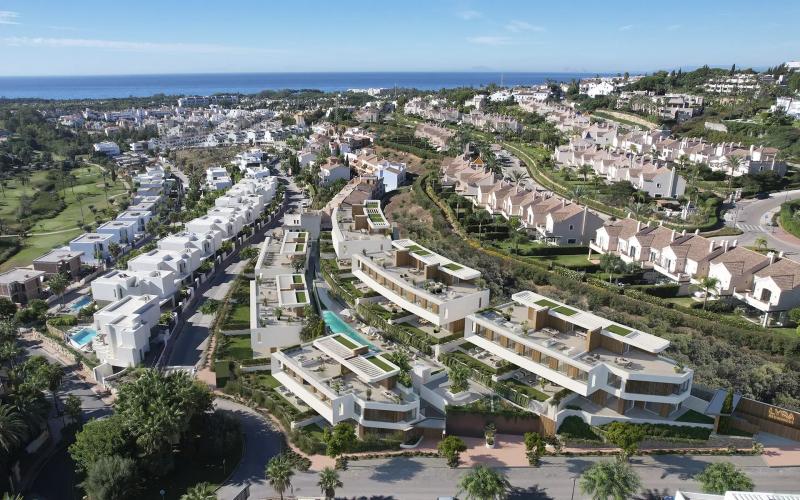
Most people don’t arrive on the Costa del Sol with a plan to buy property. They arrive for a visit. A short break. Maybe a few weeks away from routine. Somewhere along the way, the idea starts to form quietly.
The weather helps. So does the pace. So does the feeling that life runs slightly differently here.
But when casual interest turns into a serious search, many buyers realise that what felt intuitive at first becomes surprisingly complex. Not because the market is difficult, but because it doesn’t behave the way outsiders expect it to.
Understanding that difference early tends to make the entire process less stressful.
Why the Number of Listings Can Be Misleading
At first glance, the market appears well supplied. Scroll through portals and you’ll see page after page of options. Apartments, townhouses, villas. Something for every budget, it seems.
In reality, availability and opportunity are not the same thing.
A large portion of visible listings sit in the same category: properties that are priced optimistically, poorly positioned, or compromised in ways that aren’t immediately obvious. Meanwhile, homes that are well located and realistically priced tend to attract attention quickly, sometimes without ever feeling “available” in the traditional sense.
Buyers browsing properties for sale in Marbella often start noticing this pattern only after watching the market for a while. Certain properties disappear fast. Others seem permanent fixtures online. The difference usually has little to do with aesthetics and a lot to do with usability.
Once buyers accept that not all listings are competing with each other, searches become more focused and less frustrating.
The Shift That Happens After the First Visit
Initial impressions carry a lot of weight. Marbella and the surrounding coast are visually persuasive places. Light, colour, and outdoor space do much of the selling on their own.
What changes things is time.
Buyers who stay longer than a few days often reassess what matters. Proximity to nightlife becomes less important. Ease of access becomes more important. Quiet mornings matter more than dramatic views. Parking starts to feel relevant.
This isn’t disappointment. It’s adjustment.
Many buyers discover that the properties they were drawn to emotionally aren’t always the ones that make sense practically. That doesn’t mean those homes are wrong. It just means expectations need recalibrating.
Letting that adjustment happen before committing usually leads to better outcomes.
Why Local Context Still Shapes Good Decisions
With so much information available online, it’s easy to assume the market is transparent. Prices are visible. Maps are detailed. Floor plans are downloadable.
What’s harder to see is intent.
Why a seller is moving. Why a property hasn’t sold. Why two similar homes in the same area perform very differently. These answers don’t show up in listings.
This is where local insight still plays a role. Not as a sales tool, but as interpretation. Understanding how neighbourhoods feel outside peak season. Knowing which developments are adding value and which are simply adding volume.
Professionals who operate locally, such as Crinoa, tend to add the most value by helping buyers interpret what they’re seeing rather than overwhelming them with options. That perspective often prevents second-guessing later.
Living in a Property Is Different From Admiring It
One of the quiet mistakes buyers make is falling in love with how a property looks rather than how it works.
A large terrace sounds essential until it sits unused for months. A dramatic layout can feel exciting until daily routines start revealing awkward corners. Meanwhile, simple things like storage, access, or shade can end up mattering far more than expected.
This becomes especially clear for buyers planning longer stays or partial relocation. Homes that feel ideal for holidays don’t always translate smoothly into everyday life.
It’s not about lowering standards. It’s about redefining them.
Buyers who ask how a property supports ordinary days tend to feel more settled once the novelty fades.
Looking Beyond Marbella Without Leaving It Behind
Marbella naturally draws attention, but it exists within a wider network of towns and communities along the coast. Infrastructure, schools, transport links, and planning decisions affect the region as a whole, not just one postcode.
Viewing Marbella within the broader Costa Del Sol real estate landscape helps buyers make more grounded comparisons. Sometimes the right choice is central. Sometimes it’s slightly removed. Both can be valid, depending on priorities.
Seeing the coast as interconnected rather than segmented often reduces pressure and expands perspective.
Expectations That Rarely Get Spoken About
There’s an image many buyers carry with them when they think about owning property here. It’s not wrong, but it is incomplete.
Life becomes calmer, but not effortless. Days are lighter, but still structured. Some weeks feel idyllic. Others feel ordinary. None of that diminishes the experience, but it does change how a home feels over time.
Properties that support real routines tend to age better emotionally than those built around idealised versions of living. This is something buyers often realise only after settling in.
Acknowledging that early helps people choose homes that feel comfortable rather than performative.
Timing Matters Less Than People Think
Questions about timing come up constantly. Is now a good moment? Should I wait? Will prices adjust?
In practice, buyers who focus too heavily on timing often delay decisions without gaining clarity. Meanwhile, those who concentrate on fundamentals tend to feel more confident regardless of short-term movement.
Good locations remain good. Practical homes remain practical. Market cycles matter, but they rarely override basic suitability.
Preparation usually beats prediction.
Final Thoughts
Buying property on the Costa del Sol is rarely just a financial decision. It’s shaped by lifestyle, future plans, and personal rhythm as much as price or yield.
The buyers who feel most satisfied over time are usually those who slowed down at the right moments. They observed how areas felt outside peak season. They questioned their own assumptions. They prioritised how a home would support daily life, not just how it looked during a visit.
Approached that way, the process becomes less about chasing opportunity and more about making a considered choice.
For anyone willing to take that perspective, the region offers not just attractive properties, but the chance to settle into a way of living that feels sustainable, grounded, and genuinely enjoyable.
Post Your Ad Here
Comments