Dove Birds as Pets: Beauty, Calm, and Companionship
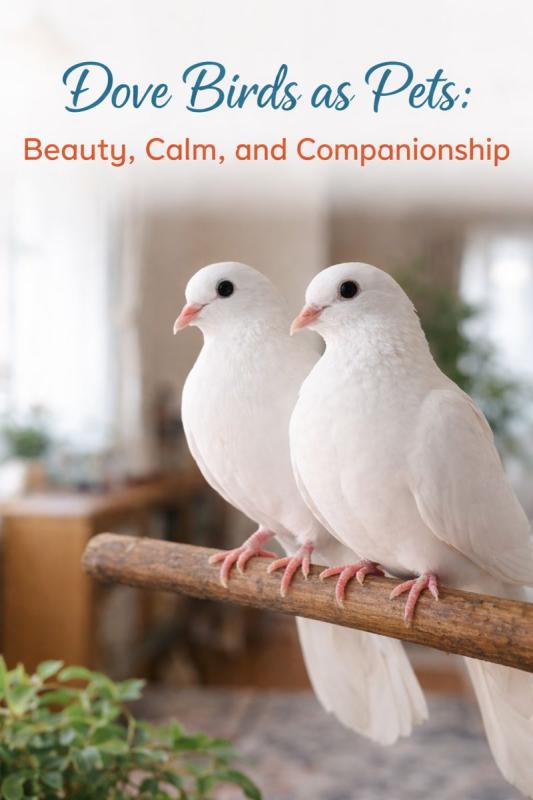
Dove birds have long been symbols of peace, love, and harmony across cultures. Beyond their symbolic meaning, doves are also gentle, affectionate, and calm creatures that can make wonderful pets for bird lovers. Their soft cooing sounds, graceful movements, and friendly nature bring a soothing presence to any home. This article explores why dove birds are excellent pets, how to care for them properly, and what makes them such rewarding companions.
Understanding Dove Birds
Doves belong to the Columbidae family, which also includes pigeons. There are many species of doves, but the most commonly kept as pets are Ringneck Doves, Diamond Doves, and White Doves. These birds are known for their mild temperament, social behavior, and ability to bond with humans.
Unlike louder or more demanding birds, doves are generally quiet and non-aggressive. This makes them suitable for families, apartment living, and first-time bird owners. Their calm personality allows them to coexist peacefully with people and other birds when properly introduced.
Why Doves Make Great Pets
One of the main reasons doves are loved as pets is their gentle nature. They are not prone to biting and rarely show aggressive behavior. Doves enjoy human interaction and can recognize their owners over time, often responding positively to calm voices and gentle handling.
Doves are also relatively low-maintenance compared to parrots and other exotic birds. They do not require extensive training or constant stimulation, making them ideal for people who want a peaceful companion without overwhelming responsibility.
Additionally, their soft cooing creates a relaxing atmosphere rather than noise pollution, making them perfect for quiet households.
Housing and Environment
Providing a comfortable and safe living space is essential for a pet dove’s well-being. A spacious cage or aviary is recommended, allowing enough room for flying and stretching wings. Rectangular cages are better than round ones, as they provide more usable space.
The cage should be placed in a calm area of the home, away from drafts, direct sunlight, and loud noises. Doves enjoy natural light but should be protected from extreme temperatures.
Inside the cage, include:
-
Flat perches or shelves (doves prefer resting rather than gripping)
-
A shallow water bowl for drinking and bathing
-
Clean bedding or cage liners
-
Nesting space if you plan to keep pairs
Clean the cage regularly to maintain hygiene and prevent illness.
Diet and Nutrition
A healthy diet is key to a dove’s long and happy life. Doves primarily eat seeds and grains, but their diet should be balanced to meet all nutritional needs.
A proper dove diet includes:
-
High-quality dove or pigeon seed mix
-
Millet, safflower, and cracked corn (in moderation)
-
Fresh leafy greens like spinach or lettuce
-
Occasional fruits such as apple slices (without seeds)
-
Grit and calcium supplements to aid digestion and bone health
-
Fresh, clean water daily
Avoid feeding processed human foods, salty snacks, chocolate, or caffeinated drinks, as these can be harmful.
Social Behavior and Companionship
Doves are social birds and thrive on companionship. While they can bond closely with humans, many doves are happiest when kept in pairs. A bonded pair provides emotional comfort and reduces loneliness, especially if the owner is away during the day.
If kept alone, regular interaction is important. Spending time talking to your dove, offering gentle handling, and allowing supervised out-of-cage time helps build trust and strengthens the bond.
Doves communicate through soft sounds and body language, making them fascinating to observe and emotionally rewarding companions.
Health and Lifespan
With proper care, pet doves can live between 10 to 15 years, and sometimes longer. Regular observation is important to spot early signs of illness, such as:
-
Loss of appetite
-
Fluffed feathers
-
Lethargy
-
Changes in droppings
Routine cage cleaning, fresh food, and clean water help prevent common health problems. If a dove appears unwell, consulting an avian veterinarian is strongly recommended.
Training and Handling
Doves are intelligent and can learn simple routines. While they do not perform tricks like parrots, they can be trained to perch on hands, respond to feeding schedules, and remain calm during handling.
Always handle doves gently, as they are delicate birds. Building trust takes time, patience, and consistency. Never force interaction—allow the bird to approach you naturally.
Is a Dove the Right Pet for You?
Dove birds are ideal for individuals or families seeking a calm, affectionate, and low-noise pet. They are especially suitable for people who appreciate quiet companionship and have time to provide gentle care and attention.
However, like all pets, doves require commitment, cleanliness, and responsibility. Understanding their needs before adoption ensures a happy relationship for both the bird and the owner.
Conclusion
Dove birds are truly special pets, offering beauty, calm, and heartfelt companionship. Their peaceful nature, ease of care, and emotional connection make them a joy to have at home. With proper housing, nutrition, and love, a pet dove can become a long-term companion that brings serenity and warmth into your life.


Post Your Ad Here
Comments