How Crypto Perpetual Exchanges Are Redefining the Way We Trade Digital Assets
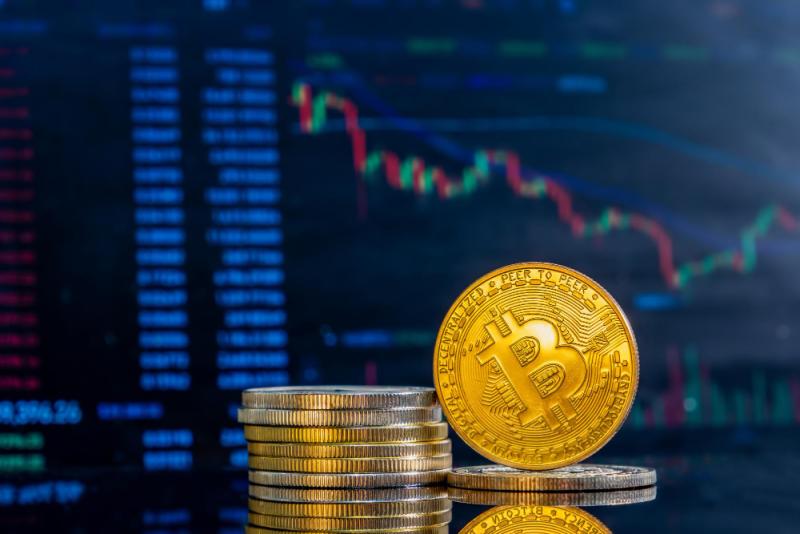
In the ever-evolving world of cryptocurrency, trading platforms continuously adapt and innovate to meet the needs of investors. Among the recent advancements, crypto perpetual exchanges have emerged as a revolutionary tool for traders seeking more flexibility, better risk management, and unique opportunities in the digital asset space. But what exactly are perpetual exchanges, and how are they reshaping the way we trade digital assets?
Understanding Perpetual Futures: The Backbone of Crypto Perpetual Exchanges
Perpetual futures are a type of derivative contract that allows traders to speculate on the price movements of an asset without the need for expiration dates. Unlike traditional futures contracts, which have specific settlement dates, perpetual futures remain open-ended, with no set expiration. This makes them particularly appealing to crypto traders, who thrive on volatility and the ability to take long or short positions at any time.
Perpetual exchanges provide a platform where these contracts are traded, offering traders the opportunity to benefit from price fluctuations in digital assets like Bitcoin, Ethereum, and other altcoins. They combine the benefits of spot trading and futures trading in one package, offering enhanced liquidity and leveraging opportunities.
The Mechanics of Perpetual Exchanges
Crypto perpetual exchanges function on the same principle as traditional futures exchanges, but with unique features designed for the crypto market. At the core of these platforms are three key components:
Funding Rates:
One of the defining features of perpetual futures contracts is the "funding rate." Unlike traditional futures, which rely on physical delivery or expiration, perpetual contracts are marked-to-market continuously. To maintain the price of the contract in line with the underlying asset’s spot price, traders pay or receive funding rates. These rates are determined by the difference between the perpetual contract price and the spot price and are paid periodically, often every few hours.Funding rates can be positive or negative. A positive funding rate means that traders who are long on the contract pay those who are short. Conversely, a negative funding rate means that short traders compensate long traders. This mechanism keeps the perpetual contract in alignment with the underlying asset's price, preventing significant deviations.
Leverage:
Crypto perpetual exchanges often allow traders to use leverage, borrowing funds to amplify their trades. For example, a trader might use 10x leverage, meaning they can control a position worth 10 times the value of their initial investment. While leverage increases the potential for profit, it also raises the risk of significant losses, especially in the volatile crypto market.This ability to take large positions with a small amount of capital is one of the main attractions of perpetual exchanges, particularly for day traders and institutional investors looking to capitalize on short-term price movements.
No Expiry Date:
Unlike traditional futures contracts, which have fixed expiration dates, crypto perpetual futures have no expiry. This means traders can hold positions indefinitely, as long as they can maintain the required margin. This is especially beneficial for those who believe in long-term price movements or want to manage their positions over a longer period.
How Perpetual Exchanges Are Shaping Crypto Trading
Crypto perpetual exchanges are offering several distinct advantages that traditional exchanges or spot trading simply cannot provide. These include:
1. Accessibility to Hedging and Speculation
Perpetual exchanges have made it easier for traders to hedge their portfolios against market volatility. By allowing both long and short positions, traders can profit whether the market is going up or down. This ability to speculate on price movements without having to own the underlying asset is a game-changer for investors who want to manage risk or capitalize on rapid price fluctuations.
Furthermore, for those holding significant amounts of cryptocurrency, perpetual exchanges offer a way to hedge against price declines without needing to sell their assets, ensuring they can lock in profits or minimize losses while maintaining exposure to the asset's upside potential.
2. Increased Liquidity
Perpetual exchanges tend to have higher liquidity than traditional futures exchanges, particularly in the crypto market. Since they are often open 24/7, traders can enter or exit positions at any time, ensuring they can react to market movements swiftly. This continuous availability leads to greater price discovery and more efficient markets.
3. Lower Barriers to Entry
Unlike traditional futures markets, where the minimum investment requirements can be high and the complexity of the contracts can intimidate new traders, crypto perpetual exchanges are designed to be more accessible. Most platforms allow traders to start with relatively small amounts of capital and provide educational resources to help newcomers understand the nuances of perpetual trading.
The ability to trade fractional positions also means that traders don’t need to invest large sums to participate. This has democratized trading, giving more people access to high-leverage, high-risk trading strategies.
4. Flexibility in Strategy
Perpetual exchanges support a variety of trading strategies, ranging from day trading and swing trading to longer-term position holding. The lack of expiry dates gives traders the freedom to enter and exit positions based on their strategy, without the pressure of upcoming contract expiry dates.
Some traders also use perpetual exchanges for arbitrage opportunities between different markets or assets. The continuous market allows for rapid buying and selling across various pairs, creating more avenues for profit.
The Risks of Trading on Perpetual Exchanges
While crypto perpetual exchanges offer numerous advantages, they are not without risks. The most significant of these is leverage. While using leverage allows traders to amplify their profits, it also exposes them to larger losses if the market moves against them. The volatility of crypto markets only adds to this risk, and inexperienced traders can quickly find themselves wiped out if they don’t employ solid risk management strategies.
Additionally, perpetual contracts rely heavily on the funding rate mechanism to keep prices in line with the spot market. If there’s a large disparity between the perpetual contract price and the spot price, traders could face unpredictable funding rate costs, which can impact the profitability of their positions.
Lastly, while perpetual exchanges offer more liquidity and accessibility, they can also attract high-frequency trading algorithms, making the markets more volatile and potentially leading to "whale" manipulation. Retail traders, in particular, can find themselves at a disadvantage against large institutional players or sophisticated bots.
The Future of Crypto Perpetual Exchanges
As crypto markets continue to mature, we can expect perpetual exchanges to become even more integral to the ecosystem. Innovations like decentralized perpetual exchanges (DEXs), which eliminate the need for central authorities, are already in development. These exchanges promise greater security, censorship resistance, and reduced counterparty risk by allowing trades to occur directly between users, without an intermediary.
The integration of layer-2 solutions, which offer faster and cheaper transactions, could also make perpetual exchanges more efficient, especially during periods of high volatility. Furthermore, improvements in user interfaces, risk management tools, and automated trading bots will likely make these platforms even more accessible to a wider range of traders.
Decentralized Perpetual Exchanges (DEXs) and Smart Contracts
Decentralized perpetual exchanges (DEXs) are increasingly gaining traction in the crypto space. These platforms use blockchain technology and smart contracts to eliminate the need for a central authority or intermediary. Traders retain control over their funds, and all trades are executed via smart contracts that automate the process.
The primary advantage of DEXs is the enhanced security and transparency they offer. Since they operate on a decentralized network, there’s no single point of failure, and users are not exposed to the risks associated with centralized exchanges, such as hacking or mismanagement.
DEXs could revolutionize the trading experience by offering perpetual contracts in a decentralized, trustless environment. However, challenges related to scalability, user experience, and regulatory compliance will need to be addressed before they can replace centralized platforms.
Conclusion
Crypto perpetual exchanges have undeniably transformed how digital assets are traded. By offering flexibility, high liquidity, and a range of innovative trading features, they have created new opportunities for traders. However, the risks associated with leverage and volatility mean that traders must approach these platforms with caution and sound risk management strategies.
As crypto markets continue to evolve, perpetual exchanges are likely to play an even more prominent role in shaping the future of digital asset trading, offering new ways to trade, hedge, and speculate on the price movements of cryptocurrencies. The development of decentralized solutions and layer-2 scaling will only add to their relevance, marking a new era in the world of cryptocurrency trading.
Post Your Ad Here
Comments