How Yoga Supports Hormonal Balance in Men and Women
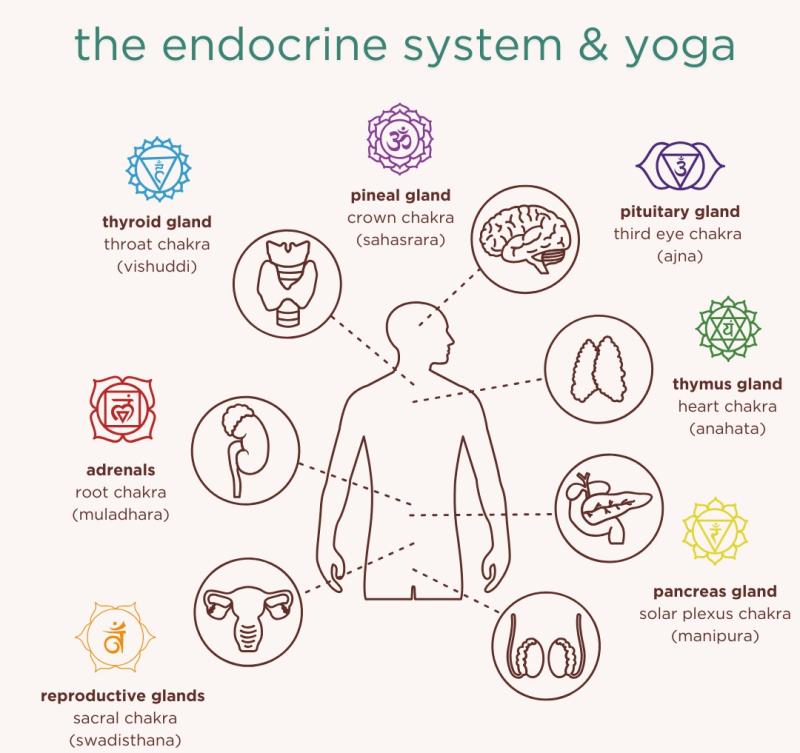
Hormones play a vital role in regulating energy levels, mood, metabolism, sleep, immunity, and reproductive health. Modern lifestyles—marked by stress, irregular routines, poor sleep, and inactivity—often disrupt hormonal balance in both men and women. Yoga offers a natural, holistic way to support hormonal health, working gently with the nervous and endocrine systems. This integrative approach is a key teaching in yoga teacher training in India, where yoga is viewed as preventive and restorative medicine.
Understanding Hormonal Balance
Hormones are chemical messengers produced by the endocrine glands, including the thyroid, adrenal glands, pancreas, and reproductive organs. When these glands are overstimulated or suppressed, hormonal imbalances can occur—leading to fatigue, mood swings, weight changes, sleep disorders, and reduced vitality.
In 200 Hour yoga teacher training in India, students learn that balance—not suppression—is the key to hormonal health.
How Yoga Supports the Endocrine System
Yoga works at the root of hormonal imbalance by calming the nervous system, improving circulation, and reducing chronic stress.
1. Reduces Stress Hormones
Chronic stress elevates cortisol, which disrupts other hormones like insulin, thyroid hormones, estrogen, and testosterone.
Yoga activates the parasympathetic nervous system, lowering stress hormones naturally. This stress-regulating effect is emphasized in holistic yoga teacher training in India.
2. Improves Glandular Function
Certain yoga postures gently stimulate endocrine glands, improving blood flow and supporting healthy hormone production.
In 200 hour yoga teacher training in Bali, students learn how poses influence the thyroid, adrenal, and reproductive glands through mindful practice.
3. Supports Nervous System Balance
Hormonal health is closely linked to the nervous system. Yoga creates harmony between the sympathetic (stress) and parasympathetic (rest) responses.
This balance is a foundational principle of certified yoga teacher training in India.
Yoga and Hormonal Health in Women
Women often experience hormonal fluctuations related to menstruation, pregnancy, postpartum recovery, and menopause.
Yoga supports women’s hormonal health by:
-
Reducing PMS and menstrual discomfort
-
Supporting thyroid balance
-
Improving emotional stability
-
Easing menopausal symptoms
-
Supporting reproductive health
These benefits are explored deeply in authentic yoga teacher training in India, where women’s wellness is addressed holistically.
Yoga and Hormonal Health in Men
Men also experience hormonal changes related to stress, aging, lifestyle habits, and sleep quality—often affecting testosterone, energy levels, and mood.
Yoga supports men’s hormonal balance by:
-
Reducing stress-related cortisol
-
Supporting testosterone balance naturally
-
Improving sleep and recovery
-
Enhancing energy and mental focus
In yoga instructor training in India, yoga is taught as a tool for long-term vitality and resilience for all genders.
The Role of Breathwork (Pranayama)
Breathwork is one of the most powerful tools for hormonal regulation. Slow, conscious breathing helps calm the endocrine system and stabilize emotional responses.
In 300 hour and 500 hour yoga teacher training in India, pranayama is taught to:
-
Balance adrenal function
-
Improve thyroid regulation
-
Support reproductive health
-
Enhance overall energy balance
Pranayama acts as a bridge between stress management and hormonal harmony.
Yoga, Sleep, and Hormonal Health
Sleep is essential for hormone regulation. Poor sleep disrupts melatonin, cortisol, insulin, and growth hormones.
Yoga improves sleep quality by calming the mind and relaxing the nervous system—an essential connection taught in yoga teacher training in Rishikesh.
Hormonal Balance as a Lifestyle Practice
Yoga encourages lifestyle habits that naturally support hormonal health, including:
-
Consistent daily routines
-
Mindful movement
-
Balanced effort and rest
-
Emotional awareness
-
Conscious breathing
This lifestyle-based approach is a hallmark of traditional yoga education in India.
Long-Term Benefits of Yoga for Hormonal Balance
With consistent practice, yoga supports:
-
Stable energy levels
-
Improved mood and emotional balance
-
Healthy metabolism
-
Better sleep quality
-
Sustainable vitality for men and women
These long-term benefits make yoga an effective preventive practice.
Final Thoughts
Hormonal balance is not achieved through quick fixes—it is cultivated through consistent, mindful living. Yoga supports hormonal health by calming the nervous system, reducing stress, and restoring harmony within the body.
Whether practiced for personal wellbeing or explored deeply through yoga teacher training in India, yoga offers a natural, sustainable path to hormonal balance, vitality, and overall wellness. ??♀️?♂️
Post Your Ad Here
Comments