How Metal Facade Systems Contribute to Sustainable Architectural Design
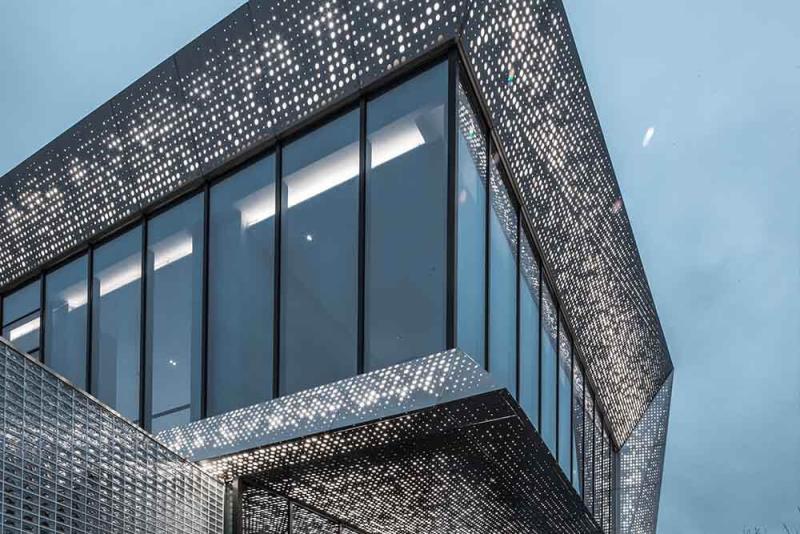
Modern construction has emerged as an avenue of making use of architectural metal cladding, providing buildings with a smooth, weather-resistant, and aesthetically compelling veneer and shielding against weathering, corrosion, and wear and tear in the long run.
Beyond aesthetics, metal cladding enhances energy savings, minimizes maintenance, and provides flexibility in designs. Architects are progressively using metal facade systems to attain modern trends without sacrificing both performance and sustainability.
Enhanced Durability and Weather Resistance
Metal cladding offers better protection against severe weather conditions, moisture, and UV. It has good durability, and that is why the buildings retain their structural integrity, corrosion, and daily wear and tear, especially in the long-term periods.
Protection Against Elements
Metal is used to cover buildings against rain, wind, snow, and detrimental UV rays. This is a powerful defense against structural degradation and wear and tear, and thus extends its life span, keeping both performance and aesthetic value intact.
Corrosion Resistance
Good metals have good resistance to rust and oxidation values and therefore have a long life span. These materials are structural and attractive even in beach or wet conditions, and they reduce the maintenance time and the durability of the facades.
Mechanical Strength
Durable metal panels are impact, abrasive, and deformation-resistant panels that maintain a long life. The result of this strength is low repair and maintenance frequency, which ensures that building exteriors remain stable and attractive as time passes.
Metal cladding is durable and resistant to weather, which makes it a secure selection to govern long-lasting architectural designs and guarantee both the protection of the structure and the beauty of the appearance during the existence of a building.
Aesthetic Appeal and Design Flexibility
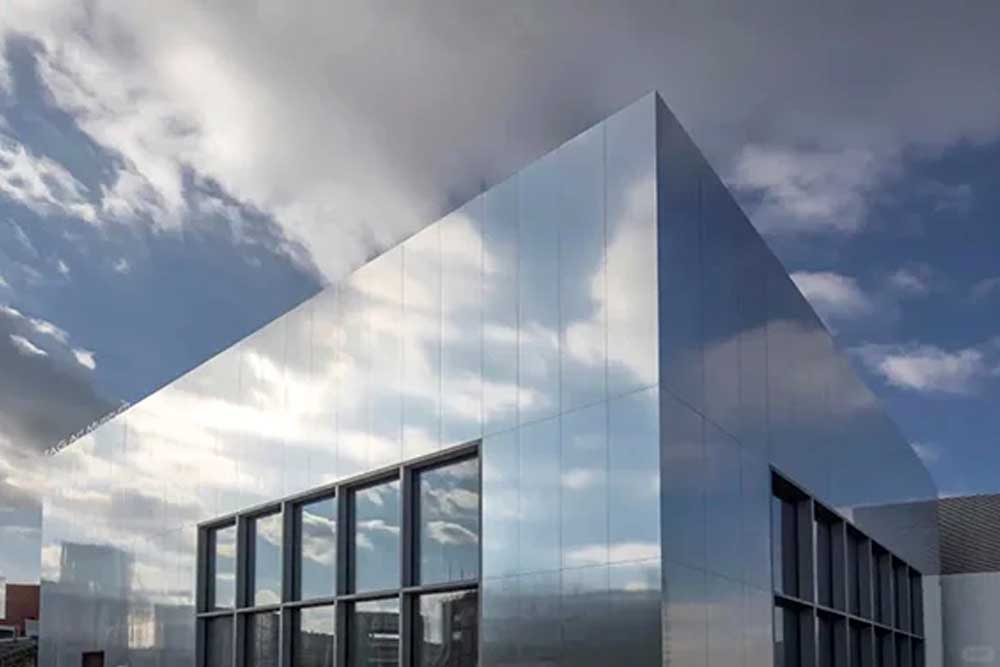
Metal cladding is an eye-catching visual effect on architectural projects. Metal facade systems are available in a variety of colors, textures, and finish options and facilitate the design of modern, elegant, and highly customizable building facades.
Variety of Finishes
Metal surfaces are smooth, brushed, perforated, or patterned to offer versatility to architects. These finishes enable the designers to be able to customize the building facades to various styles, which produce both decorations and performance.
Color Options
The range of colors in metals is vast; they might be either neutral and rather subtle or vivid and bold. This malleability enables architects and designers to give rise to virtually any aesthetic image as far as the building exterior is concerned.
Design Versatility
Elements such as panels may be accurately shaped or curved to produce unique architectural shapes. Even other materials can be incorporated, and the designers can come up with really unique and very interesting looks for the building fronts.
Metal cladding is versatile in its aesthetics, enabling an architect to generate bold, modern construction that stands out. Simultaneously, these systems offer good dependability and permanence in performance in contemporary construction works.
Lightweight Construction and Ease of Installation
The metal cladding panels are lightweight yet strong and present a smaller structural load. Their light weights allow faster installation, and they allow faster construction schedules without losing building safety, quality, or architectural accuracy.
Reduced Structural Load
Light metal cladding panels minimize the forces on foundations and building structures. This reduced load enables more economical construction whilst maintaining stability, safety, and flexibility in the design of the modern architectural projects.
Faster Installation
Panels and modular cladding systems are prefabricated, simplifying their installation. They eliminate workers and construction periods, and projects are more successfully developed without interfering with the quality or architectural accuracy.
Flexible Application
Metal cladding panels can be used in new buildings and also in the already existing buildings. This is adaptable, and it allows them to accommodate complex shapes, distinctive architectural designs, and complicated retrofit activities quite well.
Metal cladding is a convenient choice because its lightweight characteristic and the easy installation procedure simplify the process of construction and sustain architectures that are aesthetically attractive and flexible, improving their durability.
Energy Efficiency and Sustainability
Metal cladding also improves the energy performance of buildings with support to insulation, reflected solar heat, and cooling requirements. It is a recyclable space to add to sustainable building, reducing the effects on the environment during its life.
Thermal Performance
Insulated boards can also help to minimize heat loss at building facades. This assists in maintaining a constant and comfortable inside temperature and in decreasing energy usage and cutting the total heating and cooling expenses across the year.
Reflective Surfaces
Reflective metal finishes or light finishes dramatically reduce the amount of solar heat absorbed. This reduces the cooling requirements indoors, improves efficiency in the use of energy, and helps ensure comfortable temperatures in the building.
Recyclable Materials
A good majority of metals, including aluminum and steel, are completely recyclable. This recyclability helps in the sustainable construction process and lowers the environmental costs, as well as encourages responsible use of the construction materials.
Metal cladding is an ideal material for building environmentally conscious buildings due to its energy efficiency and sustainability. It translates to long-term economic savings and reduces carbon footprint, as well as encouraging responsible use of materials.
Low Maintenance Requirements
The metal cladding is the least maintenance-intensive, and it does not lose its form and functionality with time. Durable finishes withstand fading, staining, and corrosion, which minimizes cleaning activities and increases the life of building exteriors.
Minimal Cleaning Needed
Raised metal surfaces are treated to make them smooth and repel dirt, dust, and grime. This will make standard cleaning and maintenance easy, ensuring that the facade always appears clean, and less time and effort will be lost on maintenance.
Fade and Stain Resistance
Coatings are of high quality to safeguard metals against fading and corrosion. Their colors and finishes are very vibrant, and therefore, the building fronts will remain attractive and visually appealing during the period that the buildings will be in use.
Durable Finishes
Metal cladding is very mold, mildew, and corrosion resistant. This longevity eliminates wear and tear, which substantially lowers the number of repairs or replacements, although it does not affect the functionality or the aesthetic appeal of the facade.
Low maintenance requirements make cladding using metal an economical option. It maintains the aesthetic value and performance of the building, so that facades are aesthetically attractive and functional with less maintenance during their lifespan.
Versatility Across Metal Types
There are many types of metal cladding, and the task of the architect is to find the right balance between design, functionality, and cost. Fashionable options are an aluminum facade and a copper facade covering that can be made to look unique.
Aluminum
Aluminum is not corrosive and light, making the construction of aluminum panels easy and robust. They can be used on smooth modern facades because they encourage clean lines, smooth finishes, and exterior longevity in the present world.
Copper
The surface acquires a natural patina over the course of time and forms in a graceful manner. The process of aging also imparts a special touch and texture to the image, color, richness, and depth to the image and making it much more attractive.
Steel and Zinc
They also offer excellent power and high durability, which makes them best suited for aggressive and demanding conditions. Such materials can resist extensive use and extreme conditions without a defective structure and poor operation over time.
Customization
Various metals provide an extensive choice of finishes, perforation patterns, and forms of panel. This flexibility allows architects to design individual cladding systems to the desired specifics of the design, functionality, and aesthetics of a project.
The right selection of metal type will ensure high standards of performance, durability, and beauty. It allows architects to transform buildings into unique, long-lasting, and aesthetically expressive building designs, which cannot be easily forgotten.
Precision Fabrication and Customization
Advanced fabrication technologies in modern metal enable current cladding to have accurate panel size, detailed patterns, and custom design. Customization causes every facade to fit architectural intent, aesthetic aims, and functional purposes.
CNC and Laser Cutting
This process allows making complex designs, detailed piercings, and elaborate patterns with the highest level of accuracy. These superior accuracy levels result in each panel that matches in terms of architectural and aesthetic requirements.
Custom Panel Sizes
The metal panels could be highly manufactured to suit distinctive building forms and other geometrical features. This flexibility also enables easy integration during the retrofit projects, hence making it fit perfectly and reproducible in its performance.
Design Flexibility
There exists a significant variety of textures, finishes, and shapes of panels that architects can experiment with to produce special designs. These alternatives endorse imaginative visions without violating practical and long-lasting building exteriors.
Seamless Integration
Individual metal panels can be custom-made to suit the framework of a building. This will make sure that there is no compromise or adjustment to be made in order to meet the aesthetic design and functional requirements in the course of installation.
This is done through precision fabrication and customization to enable architects to obtain complex and unique designs without sacrificing structural performance. Metal cladding installations are crafted to look spectacular and be highly useful.
Cost-Effectiveness Over Time
Metal cladding will require higher initial capital investment, but will be more robust and require less maintenance to reduce the operation costs. Moreover, this is also a wise architectural choice because energy conservation results in long-term savings.
Long Lifespan
Sustainable metals can greatly increase the life of the building facades. This durability saves on the costs of frequent replacements, lowers the cost of maintenance, as well as offers property owners and developers long-term financial payback.
Low Maintenance
Lower cleaning and repair will save a lot of maintenance expenses incurred continuously. Lower operational cost is enjoyed by the building owners whilst maintaining the front image look and the performance of the facade in the rest of its lifespan.
Energy Savings
Thermal performance is enhanced by insulated panels, and reflective metal finishes restrict the heat intake of the sun. Combined, the two can minimize heating and cooling bills to improve energy efficiency and reduce operating costs in the long run.
Value Retention
High-quality metal facades do not lose their aesthetic beauty or structural integrity. Such durability ensures that it not only pushes the building to the limit in terms of longevity but also manages to preserve it and even increase its value as a property.
The long-term saving that comes with the investment in metal cladding provides outstanding service in terms of durability and low maintenance. Also, its energy efficiency qualities have made it a viable and economical option in contemporary buildings.
Conclusion
The saving that accrues after long-term investment in metal cladding offers exceptional service in terms of durability and low maintenance. In addition, its energy efficiency characteristics have rendered it feasible and affordable in modern structures.
Combining accuracy in fabrication, options in metals, and energy-saving design, metal facade panels ensure enduring beauty and functionality. These systems offer sustainable, less expensive, and attractive solutions to the architect and owners.
Post Your Ad Here
Comments