Cast Iron Gear Pumps Explained: Design, Function
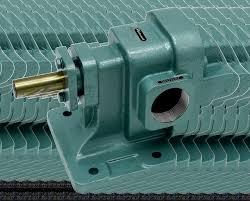
In industries where reliable fluid transfer is essential, Cast Iron gear pumps have proven to be one of the most dependable pumping solutions. Known for their rugged construction, consistent performance, and long service life, these pumps are widely used for handling viscous and lubricating fluids across multiple sectors. This article explains the design, working principle, and key advantages of cast iron gear pumps, helping you understand why they remain a preferred choice for industrial applications.
Design of Cast Iron Gear Pumps
The core strength of Cast Iron gear pumps lies in their robust design. These pumps are manufactured using high-grade cast iron, which offers excellent mechanical strength and resistance to wear. The pump typically consists of two precisely machined gears one driving gear and one driven gear enclosed within a tightly fitted cast iron casing.
The gears rotate on hardened shafts supported by strong bearings, ensuring smooth operation even under high pressure. Cast iron construction allows the pump to withstand demanding operating conditions, including continuous duty cycles and exposure to abrasive fluids. The compact and rigid design also minimizes vibration, improving operational stability and extending component life.
How a CI Rotary Gear Pump Works
A CI rotary gear pump operates on the principle of positive displacement. When the gears rotate, fluid is trapped between the gear teeth and the pump casing. This trapped fluid is carried from the inlet side to the outlet side of the pump without significant loss or backflow.
As the gears mesh together at the outlet, the fluid is forced out under pressure, creating a smooth and steady flow. Unlike centrifugal pumps, flow rate in a CI rotary gear pump remains consistent and proportional to the pump speed, making it ideal for applications requiring accurate fluid delivery. This working mechanism ensures high efficiency, especially when handling oils, lubricants, resins, and other viscous liquids.
Key Benefits of Cast Iron Gear Pumps
One of the main advantages of Cast Iron gear pumps is their durability. Cast iron offers excellent resistance to wear and mechanical stress, making these pumps suitable for long-term industrial use. They are also capable of handling high-viscosity fluids that many other pump types struggle with.
Another major benefit is consistent flow performance. A CI rotary gear pump delivers a uniform flow rate with minimal pulsation, which is critical in processes where precise fluid transfer is required. These pumps are also easy to maintain due to their simple construction, resulting in reduced downtime and lower maintenance costs.
Additionally, cast iron gear pumps are highly versatile. They are widely used in industries such as oil and gas, chemical processing, power generation, food processing (non-corrosive applications), hydraulics, and lubrication systems. Their ability to operate efficiently at varying pressures further enhances their industrial value.
Conclusion
In summary, Cast Iron gear pumps combine strength, reliability, and efficiency in a compact design. With a proven positive displacement mechanism, a CI rotary gear pump ensures consistent flow, handles viscous fluids with ease, and delivers long-lasting performance in demanding environments. For industries seeking a cost-effective and durable pumping solution, cast iron gear pumps remain a trusted and time-tested choice.
Post Your Ad Here
Comments