Fiberglass vs. Concrete Pool: Which Should You Choose?
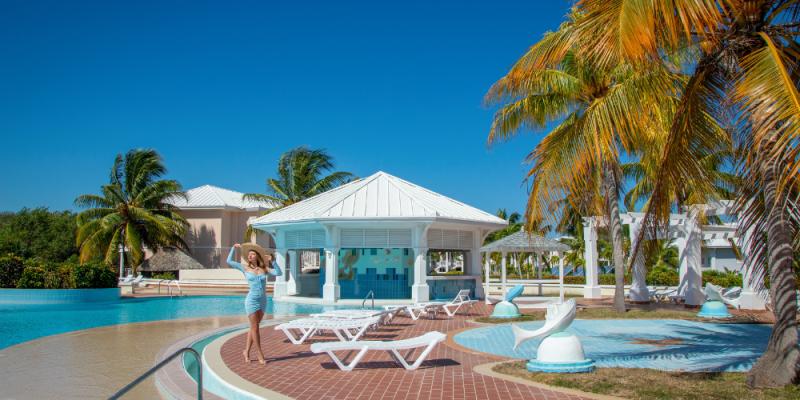
Building a swimming pool is one of the best upgrades you can make to your home. It adds beauty to your outdoor space and gives your family a fun place to relax. But before you start the project, you have an important choice to make — should you go with a fibreglass pool or a concrete pool?
Both types have benefits, but they also come with limitations. To make your decision easier, here are 10 clear and simple points that explain the differences in an easy-to-understand way.
1. Installation Time
One of the biggest differences between fiberglass and concrete pools is how long they take to install.
Fiberglass pools come as ready-made shells from a factory. Once the shell arrives at your home, it is placed into the ground, connected to the filtration system, and finished with surrounding landscaping. This whole process usually takes one to three weeks, so your pool becomes ready very quickly.
Concrete pools take much longer because they are built from scratch on your property. The digging, steel framing, concrete pouring, shaping, and curing can take three to six months depending on design and weather.
If you want your pool ready fast, fiberglass is the better choice.
2. Custom Design Options
Think about the shape and design you want.
Concrete pools offer unlimited design freedom. Since they are built on-site, you can choose any size, depth, or shape. If you want a lagoon-style layout, a pool with curves, a tanning ledge, or even custom water features, concrete can handle it all.
Fiberglass pools, however, come in pre-designed molds. You can choose from many sizes and shapes, but you cannot change the layout. What you see in the catalog is exactly what you get.
If you want a simple, clean design, fiberglass is great. If you want something highly custom, concrete is the way to go.
3. Smoothness and Comfort
The way the pool surface feels under your feet matters more than you might think, especially for kids and elderly swimmers.
Fiberglass pools have a smooth, shiny surface thanks to their gel-coat finish. It feels soft and gentle, reducing the chances of scrapes or skin irritation.
Concrete pools have a rougher texture. Even when finished with plaster, the surface can feel a bit gritty and may cause scratches if someone slides across it.
Fiberglass wins when it comes to comfort and smoothness.
4. Day-to-Day Maintenance
Maintenance is something many homeowners overlook, but it’s a major factor in pool ownership.
Fiberglass pools are much easier to maintain because their smooth, non-porous surface does not allow algae to stick easily. This means less brushing, fewer chemicals, and less time spent cleaning.
Concrete pools are porous. Algae often grow on the surface and must be scrubbed off regularly. You also need to use more chemicals to keep the water balanced.
Also, concrete pools must be resurfaced every 10–15 years, which adds extra cost.
If you want a low-maintenance pool, choose fiberglass.
5. Chemical Usage
Because fiberglass is non-porous, the water stays balanced more easily.
Fiberglass pools require fewer chemicals because the gel coat keeps algae and bacteria from attaching to the surface.
Concrete pools need more chemical treatments because the surface absorbs water and allows algae growth.
Less chemical use means lower costs and fewer strong smells from pool water, which is especially helpful for families with children.
6. Durability and Lifespan
Both pool types last a long time, but their durability differs.
Concrete pools can last several decades and even up to 50 years or more with proper care.
Fiberglass pools also last long—usually 20 to 30 years—but the gel-coat finish may start to fade or wear out over time.
Concrete is stronger overall, but fiberglass still offers excellent durability for most homeowners.
7. Heating and Energy Efficiency
If you plan to heat your pool, consider this point.
Fiberglass pools warm up faster and hold heat longer. Their material does not absorb heat the way concrete does.
Concrete pools lose heat more quickly and may need more energy to keep warm.
A fiberglass pool may help reduce heating bills, especially in cooler climates.
8. Upfront and Long-Term Cost
Cost is often a major factor in decision-making.
Upfront Cost
Concrete pools are usually more expensive to install because they require more labor, materials, and time.
Fiberglass pools have a high initial cost as well, but installation is simpler and faster, so total labor is lower.
Long-Term Cost
Fiberglass requires less maintenance, fewer chemicals, and no resurfacing — which saves money over the years.
Concrete pools need resurfacing every decade or so, plus higher chemical costs and more regular cleaning.
In the long run, fiberglass pools usually cost less to maintain.
9. Repairs and Renovation
No pool type is perfect, and both require occasional repairs.
Concrete pools may crack over time due to soil movement, weather, or aging. Fixing these cracks can be expensive.
Fiberglass pools can get scratches, or their gel coat may develop small bubbles or discoloration. Repairs are possible, but color matching can sometimes be tricky.
Both pools can last for many years, but concrete pools offer easier structural repairs, while fiberglass pools require less work overall.
10. Which One Fits Your Lifestyle?
Think about how you plan to use your pool and what matters most to you.
Go with a Fiberglass Pool if:
You want quick installation
You prefer low maintenance
You want a smooth and comfortable surface
You want lower long-term costs
You are okay choosing from standard pool shapes
Choose a Concrete Pool if:
You want a unique shape or custom design
Your yard has special layout needs
You want maximum depth options
You want to include creative features like waterfalls, tanning ledges, grottos, or custom steps
You don’t mind spending time on maintenance
Both pool types offer great long-term value. The one that suits you best depends entirely on your design goals, budget, and how much time you want to spend on upkeep.
Conclusion
Choosing between a fibreglass and concrete pool doesn’t have to be confusing. Fibreglass pools are fast to install, easy to maintain, and comfortable for daily use. Concrete pools give you unlimited design freedom and long-lasting strength. Both options can transform your backyard — it simply depends on your priorities.
If you want expert help choosing the right pool for your space, visit Aqua Elite Pool
They offer guidance, design support, and professional pool installation to help you build the perfect backyard oasis.
Post Your Ad Here
Comments