Supporting Emotional Development in Elementary School Children
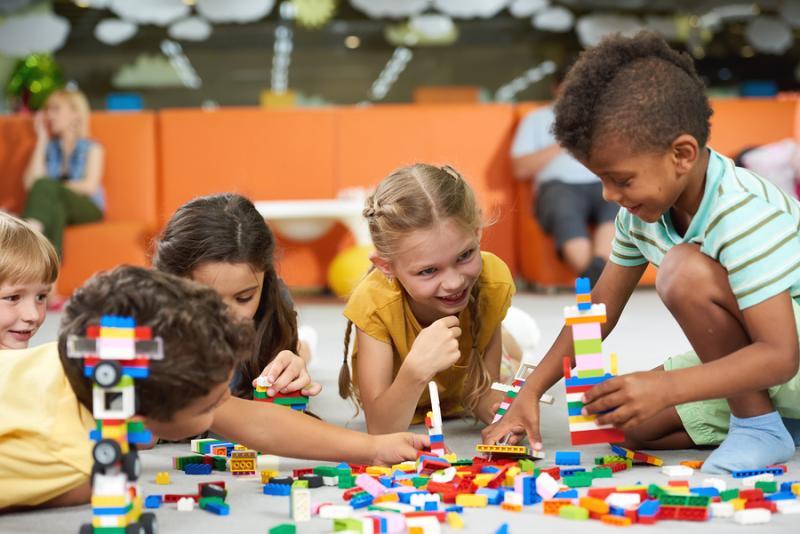
Elementary school years shape a child's emotional and social development. During this stage, children learn how to understand their emotions, manage them, form connections, and deal with problems. While intellectual growth is vital, emotional development is as critical to a child's general well-being and long-term success. Parents play an important role in developing and cultivating these emotional abilities at home, allowing children to develop into confident, sympathetic, and resilient people. Parents looking for best elementary schools in nj private - choose Ability School.
Why Emotional Development Matters in Elementary Years
Emotional development teaches children to perceive and express their emotions in healthy ways. Children in elementary school experience a wide range of emotions, including enthusiasm, frustration, disappointment, pride, and anxiety. Learning to manage these emotions enables youngsters to gain self-control, empathy, and positive social skills.
Children with strong emotional foundations do better academically, build healthier friendships, and manage stress more successfully. They are also more likely to express their needs and feelings freely, which reduces behavioral disorders and emotional outbursts.
Encourage Open Communication About Feelings
One of the most important ways parents can support emotional development is by encouraging open and honest communication. Children should feel safe expressing their emotions without fear of judgment or punishment. Parents can create this environment by actively listening, acknowledging feelings, and responding with empathy.
Simple questions like “How did that make you feel?” or “Do you want to talk about what happened today?” help children reflect on their emotions. Validating a child’s feelings even when correcting behavior, teaches them that emotions are normal and manageable.
Teach Emotional Awareness and Vocabulary
Many children struggle to express emotions because they lack the words to describe them. Teaching emotional vocabulary helps children identify and label their feelings accurately. Parents can use everyday situations to introduce words like happy, sad, angry, nervous, or disappointed.
Reading storybooks and discussing characters’ emotions is another effective way to build emotional awareness. When children understand their emotions, they are better equipped to regulate their reactions and communicate effectively with others.
Model Healthy Emotional Behavior
Children learn a great deal by observing the adults around them. Parents who model healthy emotional responses teach children how to manage stress, frustration, and conflict. Expressing emotions calmly, apologizing when necessary, and demonstrating problem-solving skills provide powerful examples for children to follow.
When parents handle difficult situations with patience and self-control, children learn that emotions can be managed constructively rather than through anger or avoidance.
Help Children Develop Coping Skills
Elementary school children face various challenges, such as academic pressure, peer conflicts, and changes in routine. Teaching coping strategies helps children manage stress and emotional discomfort effectively. Simple techniques like deep breathing, taking short breaks, or engaging in calming activities can make a big difference.
Encouraging children to talk about their worries and helping them find solutions fosters resilience. Over time, these coping skills help children handle setbacks with confidence and emotional balance.
Promote Empathy and Social Skills
Empathy is a key component of emotional development. Parents can nurture empathy by encouraging children to consider how others feel in different situations. Discussing kindness, sharing, and respect helps children build positive relationships with peers.
Role-playing social scenarios and guiding children through conflict resolution teaches them how to respond thoughtfully and respectfully. These skills are essential for forming healthy friendships and navigating social challenges at school.
Establish Consistent Routines and Boundaries
Consistency and structure provide children with a sense of security. Predictable routines help children feel safe and emotionally stable, especially during times of change or stress. Clear expectations and gentle boundaries guide children toward appropriate behavior while reinforcing emotional regulation.
Positive discipline methods that focus on teaching rather than punishment help children understand consequences without damaging their self-esteem. This approach supports emotional growth and self-discipline.
Encourage Independence and Confidence
Allowing children to make age-appropriate decisions builds confidence and emotional strength. Giving them opportunities to solve problems independently and take responsibility for small tasks fosters a sense of achievement.
Celebrating effort rather than perfection helps children develop a growth mindset. When children feel confident in their abilities, they are more likely to express themselves and manage emotions effectively.
Work Together with Teachers
Collaboration between parents and teachers plays an important role in supporting a child’s emotional development. Teachers can provide valuable insights into a child’s behavior and interactions at school. Maintaining open communication ensures consistent emotional support both at home and in the classroom.
Conclusion
Supporting emotional development in elementary school children is a continuous process that requires patience, understanding, and consistency. By fostering open communication, teaching emotional awareness, modeling healthy behaviors, and providing a nurturing environment, parents can help children build strong emotional foundations. These skills not only enhance academic success but also prepare children for positive relationships and emotional well-being throughout their lives. Choose Ability School- top preschool, elementary and middle school in englewood nj for your child’s development.
Post Your Ad Here
Comments