The Sweet Spot for Red Light Therapy: How Much Is Too Much?
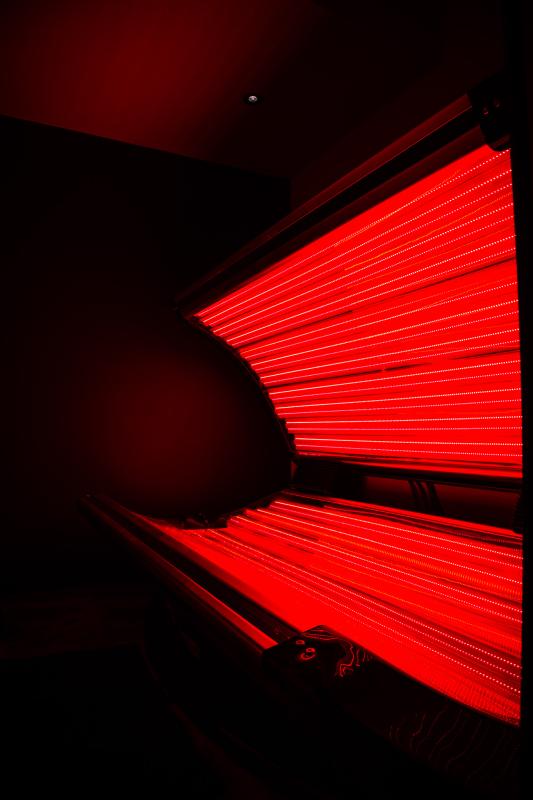
Red light therapy is growing in popularity. You might have seen it in gyms, spas, or even home devices. But here's the important question: how much light is helpful, and when does it become harmful? The answer is not simple. Red light therapy follows what scientists call the Goldilocks Rule. Like the fairy tale, you need just the right amount, not too little, not too much. This article explains how red light therapy works, what happens when you use too much, and how to find the perfect dose for your needs.
What Is Red Light Therapy?
Red light therapy, also called photobiomodulation (PBM), uses specific wavelengths of light to help your cells work better. Unlike UV light from the sun, which can damage your skin, red and near-infrared light can penetrate your skin safely and trigger beneficial changes inside your cells. The light targets your mitochondria, the tiny power plants inside every cell. When these mitochondria absorb the right amount of light, they produce more energy. This extra energy helps your body heal wounds faster, reduce pain, improve muscle recovery, and even support brain function. But here's the catch: more light is not always better. Too much can actually stop these benefits and potentially harm your cells.
The Science: Why "More" Doesn't Mean "Better"
Red light therapy follows something called the Arndt-Schulz Law, which describes a biphasic dose-response curve. That's a complicated way of saying that the effects follow a bell curve. At low doses, nothing much happens. At the right dose, you get maximum benefits. At high doses, the benefits disappear, and you might even see negative effects. Think of it like watering a plant. Too little water, and it wilts. The right amount, and it thrives. Too much, and the roots rot.
How Red Light Helps Your Cells
When you use the correct dose of red light, it's absorbed by an enzyme called cytochrome c oxidase. This enzyme sits inside your mitochondria and helps create energy. Normally, a molecule called nitric oxide blocks this enzyme, slowing down energy production. Red light kicks out the nitric oxide, allowing oxygen to bind instead. This restarts energy production and increases ATP, the molecule your cells use as fuel. The process also creates small amounts of reactive oxygen species (ROS) and calcium ions. In controlled amounts, these molecules act as signals, telling your cells to multiply, migrate, and repair damage.
What Happens When You Use Too Much
When the light dose becomes too high, the mitochondrial membrane potential can drop below its starting point. This means your cells produce less energy than before treatment. Excessive light also causes toxic levels of ROS. Instead of acting as helpful signals, these molecules trigger cell death pathways. Your cells essentially receive a message to self-destruct. If the power output is extremely high, the light can also cause thermal damage. The tissue heats up faster than it can cool down, potentially causing burns or molecular destruction. This is why professional guidance matters. The difference between healing and harm can be just a few minutes of exposure or a slight increase in power density.
The Key Factors: Getting Your Dose Right
Four main factors determine whether red light therapy helps or harms: wavelength, irradiance, fluence, and application protocol.
Wavelength: The Right Colour Matters
Red light therapy uses wavelengths between 600 and 1100 nanometers. This range is called the "therapeutic window." Shorter wavelengths in the red spectrum (600–700 nm) work best for surface-level problems like skin healing and wound repair. These wavelengths penetrate about 0.5 to 2 millimetres deep. Longer wavelengths in the near-infrared spectrum (780–1100 nm) penetrate much deeper. They can reach muscles, joints, and even your brain. Water and melanin in your skin absorb less of these longer wavelengths, allowing them to travel further into your body.
Irradiance: The Power Density
Irradiance measures how much power hits each square centimetre of your skin. It's measured in milliwatts per square centimetre (mW/cm²). For most applications, the sweet spot sits between 1 and 100 mW/cm². Research has found that 3 mW/cm² is particularly effective for cells with lots of mitochondria, like heart muscle cells. Higher irradiances aren't necessarily better. In fact, they can push you past the optimal point and into the inhibitory zone.
Fluence: The Total Energy Dose
Fluence measures the total amount of energy delivered. It's measured in joules per square centimetre (J/cm²). The optimal fluence depends on what you're treating: For skin and surface wounds: 1 to 10 J/cm² works well. Around 4 J/cm² is commonly used for wound healing. For muscles and deep tissue: You need more energy to reach deeper targets. Surface doses of 10 to 50 J/cm² are typical. Large muscle groups might require 60 to 300 joules total. For joints: Doses between 3 and 12 J/cm² have proven effective for conditions like temporomandibular disorders. For brain stimulation: Transcranial photobiomodulation uses doses up to 60 J/cm² because the skull blocks most of the light.
Application Protocol: Consistency Matters
One session rarely produces lasting effects. Research shows that repeated treatments, typically two to three times per week for at least four weeks, deliver more sustained benefits. Regular sessions allow your body to build on each treatment. This is particularly important for chronic conditions like joint pain or long-term muscle recovery.


Post Your Ad Here
Comments