The Automotive Industry in 2026: Strategy, Technology and Market Direction
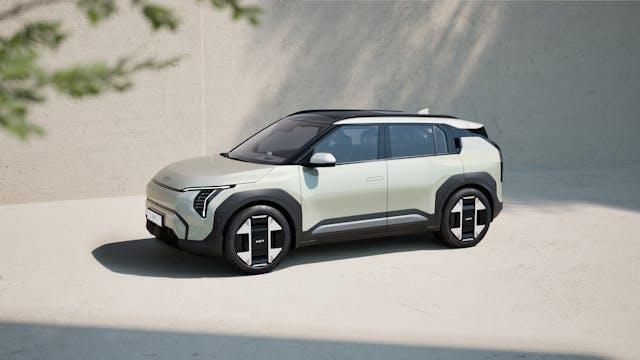
The global automotive industry in 2026 is operating in a state of measured recalibration. After more than a decade of rapid transformation driven by electrification, connectivity, and digitalization, manufacturers and suppliers are shifting focus from aggressive expansion to sustainable execution. This year is defined by disciplined investment, regional divergence, and a sharper emphasis on profitability, resilience, and customer value rather than sheer production volume.
Market Conditions and Economic Pressures
Vehicle demand in 2026 reflects broader economic realities. Higher interest rates, cautious consumer spending, and tighter credit conditions are influencing purchasing decisions across many mature markets. In North America and parts of Europe, new vehicle sales are stabilizing rather than accelerating, with buyers holding onto vehicles longer and carefully weighing ownership costs. Fleet demand remains important but is also becoming more selective, favoring efficiency and reliability over rapid replacement cycles.
By contrast, emerging markets continue to show stronger momentum. Countries such as India and several Southeast Asian economies are benefiting from favorable demographics, urbanization, and supportive government policies. These regions are increasingly important to global manufacturers seeking volume growth to offset slower conditions elsewhere. As a result, production strategies in 2026 are more globally diversified than ever before.
Electrification and Powertrain Strategy
Electrification remains a core pillar of the industry, but its development in 2026 is more balanced and pragmatic than in earlier years. Fully electric vehicles continue to gain share, particularly in China and parts of Europe, yet growth is uneven across regions. Infrastructure availability, electricity costs, and incentive structures play a decisive role in consumer adoption.
Hybrid and plug-in hybrid vehicles are enjoying renewed attention as transitional solutions. Many consumers see them as practical alternatives that deliver efficiency benefits without requiring a complete shift in driving or charging habits. For manufacturers, this diversified powertrain mix helps manage regulatory requirements while reducing risk tied to any single technology pathway.
Battery cost reduction and supply chain localization are also major priorities. Automakers are investing in regional battery production and recycling capabilities to improve cost control and long-term sustainability. These efforts are reshaping supplier relationships and influencing where future manufacturing capacity is built.
Engineering Focus and Vehicle Development
Despite the rise of software and digital systems, core vehicle engineering remains critical in 2026. Ride quality, durability, and handling continue to influence brand perception and customer satisfaction. In one notable example of how global engineering priorities intersect with local expertise, several manufacturers are expanding development work on chassis suspension Melbourne programs to take advantage of advanced testing facilities and specialized engineering talent in the region.
This balance between traditional mechanical excellence and modern digital integration defines today’s vehicle development process. Lightweight materials, modular platforms, and scalable architectures allow automakers to adapt quickly to changing market requirements while maintaining consistent performance standards.
Software-Defined Vehicles and Data Monetization
Software has become one of the most valuable components of a modern vehicle. In 2026, most new models are designed as software-defined platforms capable of receiving updates, new features, and performance enhancements over the air. This approach extends vehicle lifecycles and opens new revenue opportunities through subscriptions and digital services.
Data generated by connected vehicles is increasingly used to improve product design, maintenance planning, and customer engagement. Predictive diagnostics help reduce downtime, while personalized in-car experiences strengthen brand loyalty. However, the growing reliance on data also elevates the importance of cybersecurity and privacy protection, making digital trust a strategic differentiator.
Automation, Autonomy and Manufacturing
Progress toward higher levels of driving automation continues steadily in 2026. Advanced driver assistance systems are now standard across many segments, improving safety and reducing driver workload. While fully autonomous vehicles are still limited in scope, pilot programs in controlled environments are expanding and providing valuable operational data.
Inside factories, automation is delivering significant gains in efficiency and quality. Robotics, artificial intelligence, and real-time analytics are reshaping manufacturing operations, enabling faster changeovers and more consistent output. This shift is also transforming workforce requirements, increasing demand for skills that combine mechanical knowledge with software and data expertise.
Retail, Ownership and Customer Experience
The way consumers buy and own vehicles has evolved considerably. Digital retail platforms are now deeply integrated into the purchasing process, allowing customers to research, configure, finance, and sometimes complete transactions online. Physical dealerships remain important, but their role is increasingly centered on consultation, delivery, and service rather than negotiation.
Longer ownership cycles are another defining feature of 2026. As vehicles become more durable and software updates extend functionality, consumers are keeping cars for more years. This supports growth in aftersales services, certified used vehicles, and maintenance programs, creating new revenue streams for dealers and manufacturers alike.
Competitive Landscape and Global Dynamics
Competition in the automotive sector is intensifying, particularly as new entrants challenge established brands. Chinese manufacturers are expanding internationally with cost-competitive electric models and strong software capabilities, putting pressure on legacy automakers to accelerate innovation while controlling expenses.
Geopolitical factors also influence strategic decisions. Trade policies, local content requirements, and environmental regulations vary widely by region, requiring flexible production and sourcing strategies. Companies that can adapt quickly to these shifting conditions are better positioned to maintain stability and protect margins.
Conclusion
In 2026, the automotive industry is less about dramatic disruption and more about intelligent execution. Electrification, software integration, and automation are no longer emerging concepts but embedded realities that must deliver measurable value. Success depends on balancing innovation with affordability, global scale with regional sensitivity, and digital advancement with engineering fundamentals.
As manufacturers, suppliers, and retailers navigate this environment, those who prioritize adaptability, customer trust, and operational efficiency will shape the next chapter of mobility. The industry’s direction is clear: vehicles are evolving into long-term platforms, and the companies that manage this transformation thoughtfully will define the competitive landscape for years to come.
Post Your Ad Here
Comments