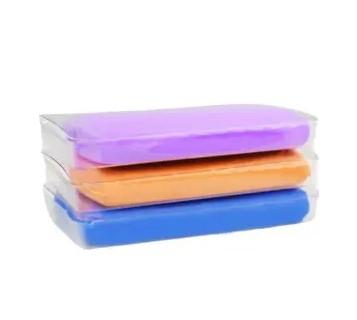
Many car owners are surprised when their vehicle still feels rough even after a thorough wash. This roughness is caused by bonded contaminants such as brake dust, industrial fallout, rail particles, and environmental pollution. These particles attach themselves to the clear coat through heat and friction and cannot be removed with soap alone. In the middle of a complete detailing routine, clay bar treatment becomes the essential step that removes these hidden impurities.
What Clay Bar Treatment Really Does
Clay bar treatment is a surface decontamination process that safely lifts embedded contaminants from paint, glass, and other smooth surfaces. When used with proper lubrication, the clay glides over the surface and traps particles that are stuck below the visible layer. Unlike polishing or compounding, this process does not remove paint material, making it safe for regular maintenance when done correctly.
Why Waxing Without Claying Falls Short
Waxing over contaminated paint may add temporary shine, but it also locks in imperfections and reduces durability. Protective products bond best to clean, smooth surfaces. Clay bar treatment ensures the paint is properly prepared, allowing waxes, sealants, and coatings to adhere evenly and perform as intended. This step significantly improves both the look and longevity of paint protection.
Benefits You Can See and Feel
After clay bar treatment, the paint feels smooth and slick to the touch. Light reflects more evenly, enhancing gloss and clarity. Protective products spread more easily and last longer. Reduced surface friction also helps minimize swirl marks during future washes. Many professional detailers trust consistent-quality solutions from Brilliatech to achieve reliable and safe decontamination results.
How Often Should Clay Bar Treatment Be Done
Clay bar treatment does not need to be performed frequently. For most vehicles, two or three applications per year are sufficient. Cars exposed to heavy pollution, long highway driving, or outdoor parking may benefit from more regular treatment. A simple test is to gently run your hand over clean paint. If it feels rough, claying is recommended.
Best Practices for Safe Results
Always wash the vehicle thoroughly before starting. Use a dedicated lubricant and work in small sections with light pressure. Let the clay do the work instead of forcing it across the surface. Knead the clay often to expose a clean side, and discard it if dropped on the ground to avoid scratching the paint.
Final Thoughts
Clay bar treatment is one of the most effective ways to restore paint smoothness and enhance overall appearance. By removing contaminants that washing leaves behind, it creates the perfect foundation for long-lasting protection and a flawless finish. For anyone serious about maintaining their vehicle’s look, this step is an essential part of modern car care.
Comments