The Furniture We Use Without Thinking and Why It Matters Most
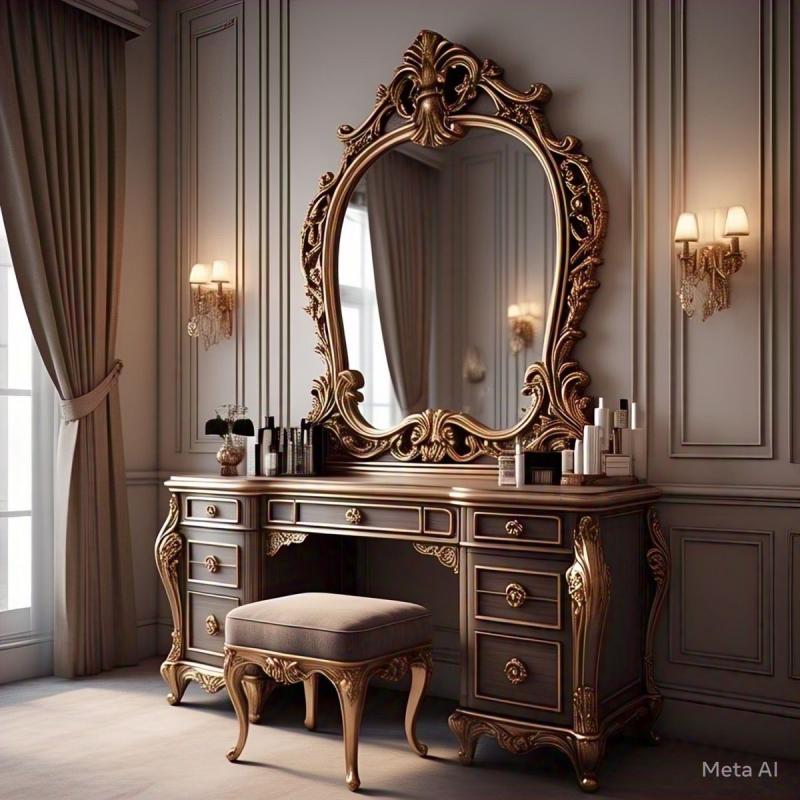
Some furniture is chosen to impress, and other pieces are chosen because life quietly demands them. Over time, it’s the second kind that matters more. The furniture we use every day—without much thought—ends up shaping our routines, moods, and even our relationships.
Two such pieces often go unnoticed despite their importance: the dining furniture table and the dressing table. They don’t shout for attention, yet they hold some of the most human moments inside a home.
A Table That Sees Real Life, Not Just Dinner
The dining furniture table is one of the few places where life naturally slows down. It’s where people sit facing one another, phones set aside—at least for a while—and share space as much as food.
What’s interesting is how rarely this table is used only for dining anymore. In many homes, it doubles as a workspace, a planning area, a creative surface, or even a temporary storage spot for things that need attention later. This constant use is exactly what gives it meaning.
.jpg)
A dining furniture table doesn’t need perfection. In fact, the most loved ones are rarely flawless. A small mark from a hot cup, a scratch from years of movement—these details don’t ruin the table. They humanize it.
More importantly, the dining table often becomes a neutral ground. It’s where families talk things out, where guests feel welcomed, and where celebrations happen without formality. Its power lies in how naturally people gather around it.
The Dressing Table: A Space That Belongs to One Person
If the dining table is shared, the dressing table is personal. It’s one of the few furniture pieces that doesn’t demand compromise. It reflects one person’s rhythm, habits, and preferences.
A dressing table is not just about appearance. It’s about preparation. Sitting there each day creates a quiet routine that helps people shift from rest to readiness. Even a few minutes spent there can feel grounding.
What’s placed on a dressing table often reveals more than what’s displayed elsewhere in the home. A watch removed at night, a fragrance chosen every morning, a mirror that reflects the same face through changing seasons—these details turn the dressing table into something deeply familiar.
Design-wise, a dressing table works best when it doesn’t overwhelm. It should feel easy to return to, not demanding or cluttered. The best ones quietly fit into a room, offering function without visual noise.
Shared Moments and Private Rituals
Homes feel balanced when they support both connection and solitude. This is where the dining furniture table and the dressing table quietly complement each other.
One supports conversation, laughter, and shared silence. The other supports reflection, routine, and personal care. Together, they shape how people move through their day—from quiet beginnings to shared endings.
This balance is often what separates a house that looks good from a home that feels right. When furniture respects both togetherness and individuality, living becomes more fluid and less forced.
Choosing Furniture That Lives With You
When people shop for a dining furniture table, they often think about size first. But comfort, proportion, and durability matter just as much. A table that fits the room but feels awkward to sit at will never truly belong.
The same principle applies to a dressing table. It’s not about trends or dramatic design. It’s about whether sitting there feels natural. Does it support your routine, or does it interrupt it?
Furniture that grows with you—rather than demanding constant adjustment—is what lasts. Styles change, but daily habits don’t.

Why These Pieces Last Longer Than Trends
Trendy furniture often photographs well but struggles with daily use. The dining furniture table and dressing table endure because they’re built around human behavior, not visual impact.
People will always gather to eat. People will always prepare themselves before stepping out into the world. Furniture that supports these needs never becomes irrelevant.
That’s why even as homes become more modern, these pieces remain essential. They evolve in form but not in purpose.
Living With Furniture, Not Around It
The most successful homes aren’t arranged like catalogs. They’re shaped around movement, routine, and comfort. Furniture fits into life—not the other way around.
A dining furniture table that welcomes conversation and a dressing table that supports quiet moments both contribute to this feeling. They don’t dominate the space. They serve it.
Over time, these pieces fade into the background while their impact remains constant. They hold memories, routines, and pauses that define everyday living.
In the End, It’s About Use, Not Display
What we use daily becomes meaningful, whether we realize it or not. The dining furniture table where meals stretch into conversations and the dressing table where mornings quietly begin are proof of that.
They remind us that good furniture doesn’t need to impress at first glance. It needs to support real life—consistently, comfortably, and without effort.
And often, that’s what makes it truly timeless.

Post Your Ad Here
Comments