Why Parental Control Apps Are Evolving Into AI Safety Tools
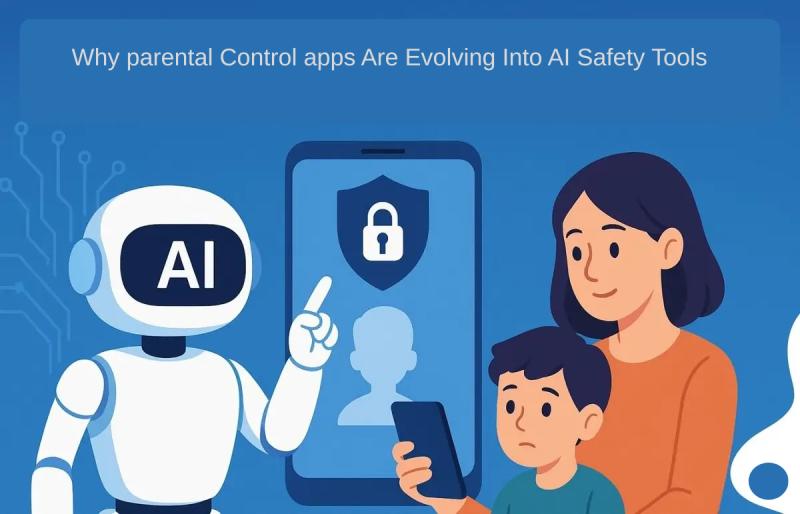
Parents today face digital challenges that traditional parental control apps simply can't handle. Basic blocking and monitoring features are no longer enough to protect kids from sophisticated online threats, cyberbullying, and harmful content that constantly adapts and evolves.
This guide is for parents, guardians, and families who want to understand how AI-powered safety tools are changing the game. We'll explore how apps like TheOneSpy, FonSee, and OgyMogy are using artificial intelligence to create smarter, more effective protection for children online.
You'll discover how these modern parental control apps move beyond simple website blocking to offer real-time threat detection and behavioral analysis. We'll also look at the specific AI features that make these tools more effective than their traditional counterparts, and what this evolution means for the future of digital family safety.
The shift from basic parental controls to AI safety tools represents a major upgrade in how we protect our kids online – and it's happening right now.
Traditional Parental Control Apps and Their Limitations
Basic monitoring features fail to address evolving digital threats
Traditional parental control apps relied on simple website blocking and screen time limits, but these basic tools can't keep up with today's sophisticated digital dangers. Kids easily bypass filters through VPNs, proxy servers, and encrypted messaging apps. Cyberbullies now operate across multiple platforms simultaneously, while predators use gaming platforms and social media features that weren't even considered when these legacy systems were designed.
Reactive approaches cannot prevent sophisticated online risks
Most conventional parental control solutions only alert parents after something bad has already happened. By the time a concerning message or inappropriate content is flagged, the psychological damage may already be done. These systems lack the intelligence to recognize grooming patterns, detect subtle bullying behaviors, or identify when children are being manipulated through seemingly innocent conversations that build up over time.
Limited scope leaves gaps in comprehensive child protection
Legacy parental control apps focus narrowly on web browsing and app usage, missing critical safety gaps in modern digital life. They can't analyze the emotional tone of conversations, recognize when children are sharing personal information inappropriately, or detect signs of depression and anxiety in digital communications. Cross-platform monitoring remains fragmented, leaving blind spots where real threats often emerge through seemingly harmless apps and services.
The Rise of AI-Powered Safety Technologies
Machine learning algorithms detect patterns in dangerous online behavior
AI systems continuously analyze digital interactions to spot concerning behavioral patterns. These algorithms identify unusual messaging frequency, aggressive language use, or interactions with suspicious accounts. Unlike traditional keyword filtering, machine learning adapts to new threats by recognizing context and sentiment in communications.
Predictive analytics identify potential threats before they materialize
Advanced analytics examine historical data and current activities to forecast potential risks. The technology identifies early warning signs like grooming behaviors, cyberbullying escalation, or exposure to harmful content. Parents receive alerts about emerging threats before situations become dangerous, enabling proactive protection rather than reactive responses.
Real-time content analysis provides instant protection across platforms
AI-powered systems monitor content across social media, messaging apps, and websites simultaneously. Natural language processing evaluates text, images, and videos in real-time, detecting inappropriate material or dangerous interactions as they happen. This comprehensive scanning protects children across their entire digital ecosystem without requiring manual oversight.
Automated response systems enable immediate intervention
Smart intervention mechanisms activate when threats are detected, blocking harmful content or restricting dangerous communications instantly. These systems can temporarily disable certain apps, alert emergency contacts, or redirect children away from risky situations. Automated responses ensure protection continues even when parents aren't actively monitoring, creating a safety net that operates around the clock.
How TheOneSpy Leverages AI for Enhanced Child Safety
Advanced behavioral analysis predicts risky online activities
TheOneSpy AI algorithms analyze your child's digital patterns to spot potential dangers before they escalate. The system learns normal browsing habits, app usage, and communication patterns, then flags unusual behavior that might indicate exposure to inappropriate content, online predators, or risky websites. This proactive approach catches red flags early, giving parents time to intervene and protect their children from digital threats that traditional monitoring might miss completely.
Smart location tracking with geofencing alerts
TheOneSpy combines GPS tracking with AI-powered location intelligence to create dynamic safety zones around your child. The system automatically adjusts geofences based on daily routines, school schedules, and family activities. When children enter or leave designated safe areas, parents receive instant notifications with context about why the alert triggered. The AI even distinguishes between normal route variations and genuine safety concerns, reducing false alarms while maintaining comprehensive location oversight.
Intelligent social media monitoring detects cyberbullying automatically
TheOneSpy's AI scans social media conversations, comments, and messages for signs of cyberbullying, harassment, or emotional distress. The technology recognizes subtle language patterns, emoji usage, and conversation context that human reviewers might overlook. It identifies both direct threats and passive-aggressive behavior, alerting parents when their child becomes a victim or perpetrator of online bullying. The system also tracks emotional indicators in your child's communications, helping parents understand their digital well-being.
FonSee's AI-Driven Approach to Modern Parental Control
Natural language processing identifies inappropriate communications
FonSee advanced NLP algorithms scan text messages, social media conversations, and chat applications in real-time to detect cyberbullying, predatory behavior, and inappropriate language. The system analyzes context, sentiment, and communication patterns to distinguish between normal teenage banter and genuinely concerning exchanges, reducing false alerts while maintaining robust protection.
Image recognition technology flags harmful visual content
The platform's sophisticated image analysis capabilities automatically identify explicit content, self-harm imagery, and dangerous activities shared through photos and videos. This visual screening works across multiple file formats and social platforms, instantly alerting parents when their child encounters or shares potentially harmful visual material without requiring manual monitoring.
Adaptive learning improves protection based on individual usage patterns
FonSee's machine learning engine continuously studies each child's digital behavior to create personalized safety profiles. The system learns normal usage patterns, preferred apps, and communication styles to better identify anomalies that might indicate risky situations. This individualized approach means protection becomes more accurate and less intrusive over time.
Cross-platform synchronization ensures comprehensive coverage
The app seamlessly integrates monitoring across smartphones, tablets, gaming consoles, and computers to provide complete digital oversight. Real-time data synchronization means parents receive unified alerts regardless of which device their child uses, preventing safety gaps that often occur when children switch between multiple platforms and devices throughout their day.
OgyMogy's Innovation in AI Safety Solutions
Emotion Detection Technology Alerts Parents to Distress Signals
OgyMogy emotion detection system analyzes facial expressions, voice patterns, and behavioral changes through device cameras and microphones. When the AI identifies signs of distress, anxiety, or emotional disturbance, it immediately sends alerts to parents with detailed reports. This technology helps parents recognize when their children might be experiencing cyberbullying, online harassment, or other digital threats that could impact their mental health and wellbeing.
Automated Screen Time Optimization Based on Child Behavior Analysis
The platform continuously monitors how children interact with their devices, tracking engagement patterns, attention spans, and productivity levels across different apps and activities. OgyMogy's AI algorithms automatically adjust screen time limits based on this behavioral data, extending usage for educational content while reducing time spent on entertainment apps. This dynamic approach ensures children maintain healthy digital habits without requiring constant manual intervention from parents.
Smart Contact Management Blocks Suspicious Communications
Advanced AI algorithms scan incoming messages, calls, and social media interactions to identify potentially dangerous contacts. The system recognizes patterns associated with predatory behavior, inappropriate language, and suspicious communication attempts. When threats are detected, OgyMogy automatically blocks these contacts while alerting parents with detailed information about the attempted communication, creating a protective barrier around children's digital interactions.
AI-Powered App Categorization Prevents Access to Age-Inappropriate Content
OgyMogy's machine learning system continuously analyzes and categorizes applications based on content appropriateness, age ratings, and potential risks. The AI examines app descriptions, user reviews, and actual content to create dynamic filtering rules that adapt to emerging threats. This intelligent categorization system prevents children from downloading or accessing inappropriate apps while allowing educational and age-appropriate content, ensuring a safer digital environment without limiting legitimate learning opportunities.
Benefits of AI Integration in Modern Parental Control
Proactive protection prevents incidents rather than simply reporting them
Modern AI-powered parental control apps shift from reactive monitoring to preventive intervention. Traditional apps often notify parents after problematic content exposure or dangerous interactions occur. AI systems analyze patterns in real-time, identifying risky situations before they escalate. Smart algorithms can detect grooming behavior, cyberbullying patterns, or dangerous app downloads instantly, blocking threats and alerting parents simultaneously. This predictive capability creates a safety net that actively protects children rather than simply documenting their digital missteps.
Reduced false positives through intelligent threat assessment
Early parental control systems frequently triggered unnecessary alerts, overwhelming parents with notifications about harmless activities. AI technology brings sophisticated context analysis to threat detection. Machine learning algorithms understand the difference between educational content about sensitive topics and genuinely harmful material. Smart systems consider factors like conversation tone, relationship context, and behavioral patterns before flagging potential issues. Parents receive meaningful alerts about actual risks while routine digital activities proceed without interruption, creating a more balanced monitoring experience.
Personalized safety profiles adapt to individual child needs
AI enables customized protection strategies that evolve with each child's digital maturity and specific vulnerabilities. Smart systems learn from individual usage patterns, adjusting restrictions and monitoring levels accordingly. A shy child might need enhanced anti-bullying protection, while a tech-savvy teenager requires sophisticated content filtering. These adaptive profiles recognize developmental stages, gradually loosening controls as children demonstrate responsible digital behavior. The technology creates age-appropriate boundaries that grow with the child, providing relevant protection without stifling natural development and learning opportunities.
Future Implications of AI-Enhanced Parental Safety Tools
Enhanced privacy protection while maintaining effective monitoring
AI-powered parental control tools are revolutionizing how families balance safety with privacy. Smart algorithms can now detect concerning behaviors without storing sensitive personal data, using pattern recognition to flag risks while encrypting communications. These systems learn family dynamics to reduce false alerts and respect age-appropriate privacy boundaries as children mature.
Integration with smart home systems for comprehensive family safety
Tomorrow's AI safety tools will seamlessly connect with IoT devices throughout homes, creating protective ecosystems that extend beyond smartphones. Smart cameras, door sensors, and voice assistants will work together to monitor children's physical safety while AI analyzes behavioral patterns across multiple touchpoints. This interconnected approach provides parents with holistic insights about their family's digital and physical environments.
Collaboration with educational institutions for seamless protection
Schools and AI safety platforms are beginning to share threat intelligence and behavioral insights to create continuous protection for students. Real-time communication between educational networks and parental monitoring systems will help identify cyberbullying, academic struggles, or social issues across all environments. This partnership ensures children receive consistent support whether they're at home, school, or anywhere else their devices connect.
Parental control apps have come a long way from simple website blockers and time restrictions. TheOneSpy, FonSee, and OgyMogy represent the new generation of safety tools that use AI to understand context, predict risks, and respond to threats in real-time. These smart systems can analyze conversations for cyberbullying patterns, detect unusual behavioral changes, and even identify potential predators through advanced machine learning algorithms. The shift from reactive monitoring to proactive protection marks a significant leap in keeping children safe online.
The integration of AI into parental control solutions offers parents peace of mind that goes beyond traditional monitoring. Instead of sifting through endless logs and notifications, families can now rely on intelligent systems that flag genuine concerns while respecting children's privacy and independence. As these technologies continue to develop, we can expect even more sophisticated features that balance safety with the natural need for children to explore and learn. Parents looking to upgrade their family's digital safety should seriously consider these AI-powered alternatives to outdated parental control methods.

Post Your Ad Here
Comments