The Advantages of Small Group Photography Tours: Why Intimacy Enhances Learning
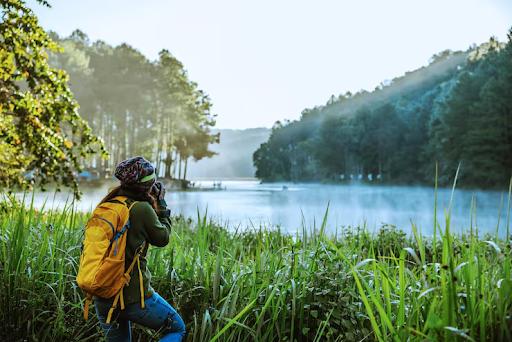
Small group photography tours represent deliberately scaled experiences where limited participant numbers—typically 8-12 photographers—enable personalized instruction, collaborative learning, and meaningful community development impossible in larger groups.
Understanding the advantages of small groups helps photographers select tours that deliver genuine individual attention, optimal results, and authentic relationships that transcend typical tourism experiences.
Defining Small Group Photography Tour Concepts
Small group photography tours deliberately limit participants, prioritizing individualized instruction and community development over revenue maximization. This scaling decision fundamentally affects experience quality—smaller groups enable guides to address individual needs, prevent equipment interference, facilitate peer learning, and create family-like communities that support collective growth.
Why Size Matters: The Limitations of Large Groups
Individual Attention Constraints
Large groups (20+ participants) prevent guides from addressing individual needs—photographers struggle with different challenges, progress at varying speeds, and require customized instruction. Individual attention becomes impossible mathematically.
Equipment Interference and Space Constraints
Larger groups create physical crowding—photographers compete for positions, equipment interferes, and subjects overwhelm quickly. Crowding prevents optimal shooting conditions.
Community Development Limitations
Large groups prevent authentic relationships. Participants become names without context; friendships don't develop meaningfully. Community remains superficial.
Learning Compromise
Without individual feedback, photographers progress inconsistently. Some participants receive substantial guidance; others proceed unchecked. Learning becomes inconsistent.
The Superior Learning Environment of Small Groups
Individualized Instruction
Small groups enable guides addressing individual photographers' specific challenges. Personalized feedback directly targets learning needs, accelerating development beyond generic instruction.
Meaningful Peer Learning
Small group sizes create contexts where photographers genuinely know each other. Peer learning occurs naturally—photographers help each other, offer suggestions, troubleshoot challenges together.
Flexible Pacing and Adaptation
Guides adjust pacing accommodating group needs. If conceptual understanding proves difficult, guides spend additional time; when group grasps concepts quickly, guides progress efficiently.
Personal Relationship Development
Intimate group sizes enable authentic friendships. Many photographers maintain relationships years after tours, creating ongoing photography communities.
Psychological Benefits of Small Group Tours
Reduced Anxiety and Self-Consciousness
Smaller groups create safer environments for photographers working through challenges. Nervousness about making mistakes or asking questions diminishes in intimate settings.
Increased Confidence Development
Supportive group environments enable photographers taking risks—trying new techniques, attempting challenging subjects, publicly sharing concerns. Risk-taking within safe environments builds confidence.
Belonging and Community Satisfaction
Small groups create genuine belonging—participants matter individually, contribute meaningfully, and develop authentic relationships. Belonging satisfaction extends beyond tours into lasting friendships.
Motivation and Accountability
Small group commitment creates mutual motivation. Participants support each other through challenges, celebrate successes, and maintain enthusiasm collectively.
Practical Advantages of Small Group Scaling
Optimal Positioning and Shot Opportunities
Smaller groups prevent crowding enabling photographers finding ideal positions. Adequate space prevents equipment interference, allowing photographers completing shots without jostling.
Guide Attention Distribution
Guides genuinely help every participant. Rather than overwhelming numbers preventing individual support, guides provide meaningful assistance to everyone.
Flexible Subject Access
Small groups access subjects large groups would overwhelm. Wildlife habituated to modest disturbance retreats from large crowds. Small groups observe behavior large groups never encounter.
Logistical Efficiency
Smaller groups navigate terrain more efficiently, transition between locations smoothly, and coordinate activities seamlessly. Logistics become manageable rather than overwhelming.
Building Authentic Learning Communities
Collaborative Problem-Solving
Small groups tackle challenges collaboratively—troubleshooting equipment issues, discussing compositional approaches, sharing subject behavior observations. Collective intelligence exceeds individual capability.
Peer Teaching and Mentoring
Experienced photographers mentor newer participants naturally. Teaching others reinforces learning while supporting community development.
Shared Vulnerability and Support
Small groups enable photographers acknowledging struggles and requesting help. Supportive responses prevent isolation while accelerating learning.
Celebration of Individual Achievements
Small groups genuinely celebrate each member's progress. Recognition of individual development maintains motivation and satisfaction.
Overcoming Potential Small Group Disadvantages
Higher Per-Person Costs
Small group tours cost more per person than large group tours. However, personalized instruction, superior results, and meaningful relationships justify premium pricing.
Limited Participant Diversity
Smaller groups sometimes feature less diverse participants. Quality operators intentionally compose balanced groups creating rich diversity despite size constraints.
Scheduling Inflexibility
Small groups sometimes require specialized scheduling. However, dedicated scheduling enables optimal tours rather than compromising to accommodate mass-market scheduling.
Selecting Quality Small Group Tours
Operator Commitment to Small Groups
Some operators limit groups deliberately prioritizing quality. Others claim small groups while maintaining larger maximum sizes. Confirm actual group size limits.
Guide-to-Participant Ratios
Understand how many guides support participants. At minimum, single guides can effectively instruct 8-12 photographers; larger groups require multiple guides.
Participant Selection and Group Composition
Quality operators intentionally compose balanced groups—mixing experience levels, interests, and backgrounds. Thoughtful composition creates rich learning environments.
Community-Building Focus
Look for operators emphasizing community—group meals, social time, shared experiences beyond photography. Community-focused approaches create lasting relationships.
Pre-Tour Community Building
Online Community Engagement
Many operators develop pre-tour online communities where participants connect before departure. Early relationships facilitate genuine friendship development.
Participant Questionnaires
Operators solicit information about participants' experience levels, specific interests,and learning goals. Information enables thoughtful group composition and customized instruction.
Social Event Planning
Incorporating social time—group meals, evening discussions, leisure activities—facilitates relationship development beyond photography focus.
Post-Tour Community Maintenance
Ongoing Communication
Quality operators maintain post-tour communication—group chats, online galleries, reunion events. Sustained communication maintains the community beyond tour.
Advanced Learning Opportunities
Some operators offer advanced tours, workshops, or online learning for alumni. Continued offerings enable photographers to maintain relationships and advance skills.
Reunion Gatherings
Annual or periodic gatherings enable past participants reconnecting. Reunion events sustain friendships developed during tours.
Conclusion
Small group photography tours represent deliberate scaling decisions prioritizing personalized instruction, meaningful community, and superior individual results over revenue maximization. Limited participant numbers enable guides addressing individual needs, photographers accessing optimal subjects, and participants developing authentic relationships transcending typical tourism experiences. For photographers seeking genuine personalized learning, meaningful community, and transformative experiences, small group photography tours deliver exceptional value unavailable in larger group contexts.

Post Your Ad Here
Comments