Top Benefits of Earning a Basic Life Support Certification
In emergencies, the right skills can make the difference between life and death. A basic life support certification equips individuals with essential knowledge and hands-on training to respond confidently in critical situations such as cardiac arrest, choking, or respiratory failure. Whether you are a healthcare professional, a student, or someone who wants to be prepared for emergencies, earning this certification offers numerous personal and professional advantages. Institutions like NIAC are committed to delivering high-quality training that empowers learners to act quickly and effectively when it matters most.
Ability to Save Lives
The most important benefit of earning a basic life support certification is the ability to save lives. BLS training focuses on life-saving techniques such as high-quality CPR, use of automated external defibrillators (AEDs), and airway management. These skills are crucial during the first few minutes of an emergency, before advanced medical help arrives. With proper training from NIAC, certified individuals can respond calmly and efficiently, increasing survival rates and reducing complications.
Enhanced Confidence in Emergency Situations
Emergencies can be overwhelming, especially without proper training. A basic life support certification builds confidence by preparing individuals to recognize emergencies and take immediate action. Knowing the correct steps to follow helps reduce panic and ensures that assistance is provided safely and effectively. This confidence is valuable not only in professional settings but also at home, school, or in public places.
Career Advancement and Job Opportunities
For many healthcare and allied health professions, a basic life support certification is a mandatory requirement. Nurses, medical assistants, dental professionals, fitness trainers, and caregivers often need valid BLS credentials to work or maintain employment. Earning certification through NIAC can enhance your resume, demonstrate your commitment to patient safety, and open doors to new career opportunities across healthcare and emergency response fields.
Compliance with Professional and Workplace Standards
Many organizations and regulatory bodies require employees to hold a current basic life support certification to meet safety and compliance standards. By staying certified, individuals and organizations ensure adherence to guidelines set by healthcare authorities. NIAC’s structured training programs help professionals remain compliant while keeping their skills up to date with current best practices.
Practical, Hands-On Skill Development
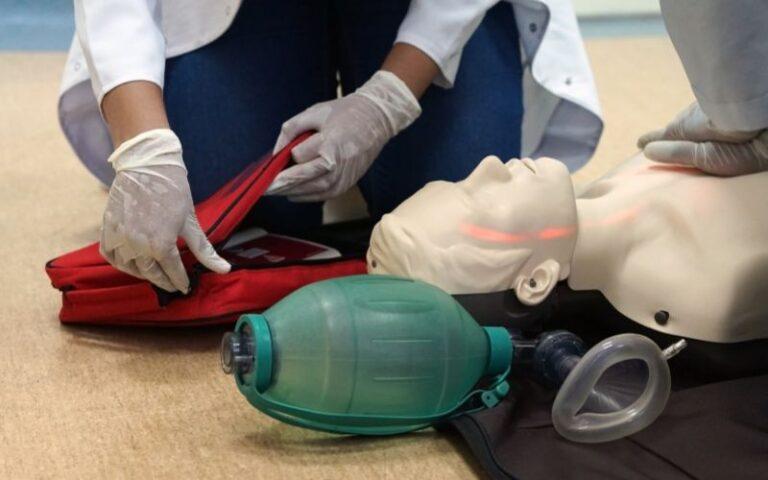
A key advantage of a basic life support certification is the emphasis on practical, hands-on training. Learners practice real-life scenarios, ensuring they can apply techniques correctly under pressure. Training with NIAC focuses on skill mastery, allowing participants to gain experience using CPR mannequins and AED simulators. This hands-on approach strengthens muscle memory and improves performance during real emergencies.
Improved Teamwork and Communication
In many emergency situations, effective teamwork is essential. Basic life support training emphasizes clear communication, role assignment, and coordinated response efforts. These skills are especially valuable in healthcare environments where multiple responders must work together seamlessly. A basic life support certification helps individuals become reliable team members during high-stress situations.
Personal Preparedness and Community Impact
Beyond professional benefits, earning a basic life support certification allows individuals to contribute positively to their communities. Certified individuals are better prepared to help family members, friends, coworkers, or even strangers during emergencies. This preparedness fosters a safer environment and promotes a culture of responsibility and care.
Conclusion
Earning a basic life support certification is an investment in both personal growth and public safety. From saving lives and boosting confidence to enhancing career prospects and community preparedness, the benefits are far-reaching. With trusted training providers like NIAC, learners receive comprehensive education designed to build competence, confidence, and readiness. Whether for professional requirements or personal development, a basic life support certification is a valuable and empowering credential in today’s world.
Post Your Ad Here
Comments