Should You Apply Hair Oil to Wet or Dry Hair?
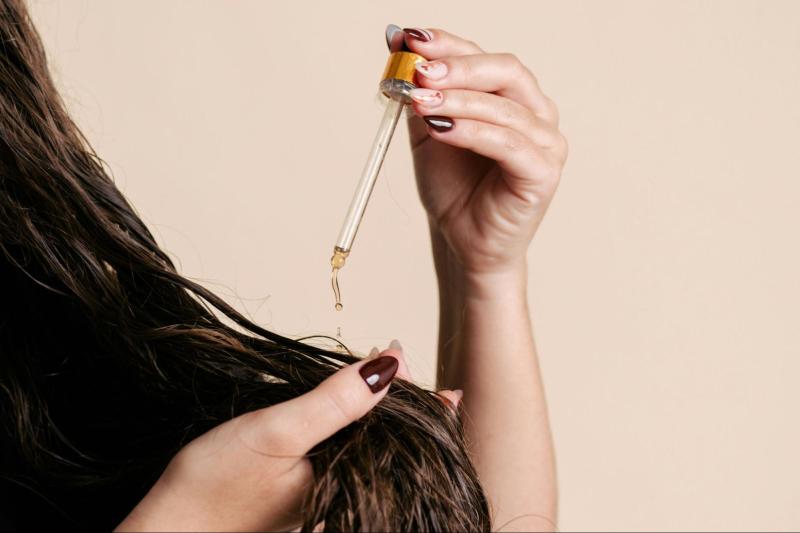
Hair oil application timing significantly affects results. Applying oil to damp hair provides different benefits than applying to dry hair. Neither approach is universally superior. The optimal choice depends on hair type, condition, and specific goals someone wants to achieve.
What Happens When You Apply Oil to Wet Hair?
Water-saturated hair has an open cuticle structure. The cuticle consists of overlapping protective scales on each hair shaft. When wet, these scales lift slightly, creating space for substances to penetrate into the cortex where hair's structural proteins reside. Oil applied at this stage can slip between the raised cuticles and bind to inner proteins.
The dilution effect changes how oil distributes through wet hair. Water on the hair shaft causes oil to spread more thinly and evenly. This creates lighter coverage that feels less greasy. Someone with fine hair who finds straight oil application too heavy often prefers the diluted distribution achieved on wet hair.
Hygral fatigue becomes a concern with repeated wet-oil application for some hair types. Hair swells when absorbing water. This swelling creates stress on the protein structure, particularly at the cuticle edges. Oil applied to wet hair gets trapped as the cuticle contracts during drying, potentially increasing this stress if done frequently without protein treatments to maintain strength.
However, wet oil application excels at sealing moisture. Research from the Journal of Cosmetic Science indicates that certain oils, particularly coconut oil, reduce the amount of water hair absorbs during washing. Pre-wash oil application to wet hair protects against hygral fatigue by limiting water penetration that causes swelling damage.
How Does Oil Behave on Dry Hair?
Dry hair has a closed or partially closed cuticle. The protective scales lie relatively flat against the shaft. Oil applied to dry hair primarily coats the exterior surface rather than penetrating deeply. This surface coating provides different benefits than the penetration achieved with wet application.
Shine enhancement occurs most dramatically with dry hair oil application. The smooth oil layer on the outer cuticle reflects light uniformly. Hair appears glossier within minutes of application. This cosmetic improvement doesn't necessarily indicate deeper hair health improvement but provides immediate aesthetic benefits.
Frizz control works more effectively on dry hair for immediate situations. Frizz results from broken or lifted cuticles creating rough texture that catches light irregularly. Oil smooths these rough spots, causing the light to reflect evenly. The effect provides instant improvement in hair's polished appearance.oil
Environmental protection strengthens with dry oil application. The oil barrier shields hair from humidity, pollution, and UV radiation throughout the day. Studies published in the International Journal of Trichology demonstrate that certain oils provide measurable protection against protein loss from UV exposure when applied to dry hair before sun exposure.
Which Hair Types Benefit Most From Wet Oil Application?
Thick, coarse hair absorbs oil readily due to larger shaft diameter and often porous cuticles from textural characteristics. Applying oil to wet hair allows better penetration into these thirsty strands. The water helps distribute oil through the density that would otherwise resist product application.
Highly porous hair damaged by chemical processing or heat styling desperately needs moisture retention. These hair types lose water rapidly due to compromised cuticles with gaps and cracks. Oil applied to wet hair seals available moisture inside the shaft as it dries, preventing the rapid moisture loss that causes brittleness.
Curly and coily hair textures thrive with wet oil application using techniques like the LOC method. This approach layers liquid leave-in conditioner, oil, and cream on wet hair. The oil forms a barrier preventing the water-based products underneath from evaporating too quickly. Moisture retention matters critically for curl definition and health since curly hair naturally tends toward dryness.
Fine hair requires caution with wet oil application. The combination of water and oil can overwhelm delicate strands, causing limpness and greasiness that lasts all day. When fine-haired individuals do apply oil to wet hair, they need substantially smaller amounts than coarser hair types require.
Which Hair Types Should Apply Oil to Dry Hair Instead?
Fine, thin hair responds better to small amounts of oil on dry hair where control over quantity and distribution improves. These hair types quickly become weighed down and greasy-looking with even moderate oil amounts. Dry application allows precise targeting of just the ends or specific areas needing smoothing without overwhelming the whole head.
Low porosity hair with tightly sealed cuticles doesn't readily absorb products. Attempting to apply oil to wet low-porosity hair often results in product sitting on top indefinitely without penetrating or providing benefits. These hair types typically respond better to oil on dry hair for surface smoothing or to very light oils applied sparingly to damp hair.
Hair lacking shine benefits specifically from dry oil application. The light-reflecting properties of surface oil provide immediate cosmetic improvement. Someone preparing for an event can apply small amounts of oil to dry hair for instant glossiness that photographs well.
Anyone dealing with scalp issues should generally avoid applying oil to wet hair at the roots. The combination of moisture and oil can create conditions promoting fungal or bacterial growth if not dried thoroughly. Dry scalp oil application allows better control over quantities and easier monitoring of how the scalp responds.
What Oils Work Best for Wet Hair Application?
Coconut oil demonstrates unique penetrative properties. Its molecular structure allows it to pass through the cuticle more readily than most other oils. Research published in the Journal of Cosmetic Science shows coconut oil reduces protein loss during washing by up to 40% when applied before water exposure. The small molecular size makes it particularly effective for wet application where it can slip between raised cuticles.
Argan oil balances penetration and surface benefits. It contains fatty acids small enough to partially penetrate wet hair while also providing surface smoothing. The oil's vitamin E content offers antioxidant protection against environmental damage. Many users find argan oil provides noticeable softness without excessive heaviness on wet application.
Olive oil works well for deep conditioning treatments on wet hair due to its ability to penetrate and moisturize. However, it feels heavier than coconut or argan oil, making it less suitable for daily wet application on most hair types. Its viscosity requires thorough distribution to avoid uneven oily patches.
Jojoba oil mimics scalp's natural sebum composition, making it suitable for wet application near roots without excessive buildup risk. The oil's chemical similarity to human sebum allows better absorption and reduces the foreign substance reaction some people experience with other oils.
What Oils Work Best for Dry Hair Application?
Lightweight oils like grapeseed or sweet almond provide shine without weight on dry hair. These oils spread easily with minimal product needed. Their thin consistency prevents the greasy appearance heavier oils create when applied to dry hair. Someone with fine hair who wants frizz control without greasiness benefits from these options.
Marula oil gained popularity for dry application due to high oxidative stability. The oil resists rancidity longer than many alternatives, important since dry application exposes the product to air throughout the day. Its light texture provides smoothing without buildup, even with daily use.
Camellia oil has been traditionally used in Asian hair care for shine enhancement on dry hair. The oil's high oleic acid content creates brilliant light reflection. Its silky texture distributes easily through lengths without dragging or pulling. Many users report it provides professional-salon level shine when applied sparingly to dry hair.
Serum blends combining several oils often optimize dry application benefits. These formulated products typically include silicones that provide immediate smoothing and heat protection alongside natural oils for nourishment. While purists avoid silicones, many users find blended serums provide superior styling results on dry hair.
How Much Oil Should You Use Based on Application Timing?
Wet hair application requires more oil than dry application for the same length and density. The water dilutes the oil, necessitating larger amounts to achieve adequate coating. Someone with shoulder-length hair might use two to three pumps of oil on wet hair versus one pump on dry hair for comparable coverage.
Distribution method affects required quantity significantly. Emulsifying oil in palms before application uses product more efficiently than dropping it directly onto hair. This technique spreads oil further, reducing the total amount needed whether applying to wet or dry hair.
Hair porosity determines absorption rate and required quantity. High porosity hair drinks up oil readily, requiring generous application even when wet. Low porosity hair needs minimal amounts regardless of application timing since excess product simply sits on top without absorbing.
Experimentation remains essential since no universal measurement works for all individuals. Starting with less than initially seems necessary, then gradually increasing proves more successful than over-applying from the start. Washing out excessive oil requires shampoo and effort, while adding more takes seconds.
Can You Combine Wet and Dry Oil Application?
Layering oil applications at different hair processing stages maximizes benefits. Applying a penetrating oil like coconut to wet hair provides deep nourishment. Following with a lightweight finishing oil on dry hair adds surface shine and frizz control. This two-step approach addresses both internal hair health and external appearance.
Pre-shampoo oil treatment to dry hair followed by rinsing and applying different oil to wet clean hair serves specific purposes. The pre-wash treatment removes buildup and protects during the harsh cleansing process. Post-wash wet application to clean hair provides conditioning without the buildup or dirt from the pre-wash oil.
Different oils for different areas maximizes results. Someone might apply heavier oil to dry ends needing intensive repair while using lighter oil on damp roots and mid-lengths for moisture balance. This targeted approach addresses varying needs within the same head of hair.
Customizing Oil Application to Your Hair Needs
Whether to apply hair oil to wet or dry hair depends on specific hair characteristics and desired outcomes rather than a universal rule. Wet application allows deeper penetration and moisture sealing, particularly benefiting thick, coarse, porous, or curly hair types. Dry application excels at providing immediate shine, frizz control, and environmental protection, especially for fine or low-porosity hair. Coconut, argan, olive, and jojoba oils work well on wet hair, while grapeseed, marula, and camellia oils suit dry application. The amount needed varies significantly based on timing, with wet application typically requiring more product than dry application. Many people benefit from combining both approaches through layered application or alternating methods based on daily needs. Experimentation with different oils, amounts, and timing helps identify the optimal routine for individual hair type and goals.
Post Your Ad Here
Comments