Red Flags Consumers Should Recognize for Wire and Mail Fraud
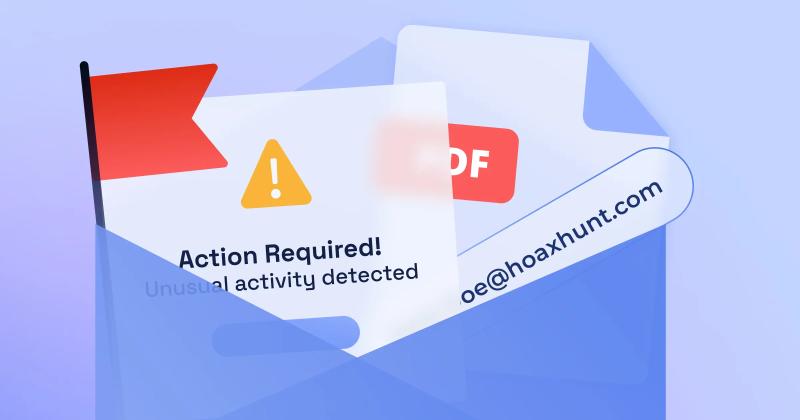
Wire fraud and mail fraud continue
to rise as scammers become more sophisticated and convincing. These crimes can
affect anyone—individuals, families, and businesses alike—and often result in
significant financial and emotional damage.
Understanding the common warning
signs is one of the most effective ways consumers can protect themselves.
Recognizing red flags early can
prevent losses before funds or sensitive information are compromised. The
following are Red Flags consumers should recognize.
Urgent
Requests for Immediate Payment
Edward Hones, Lawyer and founder of Hones Law, says: “One of the most common red flags in wire and mail
fraud is a sense of urgency.
Scammers often pressure victims to
act quickly, claiming an emergency, a limited-time opportunity, or a looming
penalty.
Messages may insist on immediate
wire transfers, gift card payments, or overnight mail deliveries. Legitimate
organizations rarely demand instant payment without allowing time for
verification or questions.”
Requests for
Payment Through Unusual Methods
Fraudsters frequently request
payment methods that are difficult to trace or reverse, such as wire transfers,
prepaid debit cards, cryptocurrency, or cash sent by mail.
If a person or organization insists
on these methods and refuses more traditional options like checks or secure
online portals, it is a strong warning sign.
Reputable businesses typically offer
traceable, standardized payment processes.
Unsolicited
Communications Claiming Authority
Harrison Tang, founder of Spokeo, shares: “Wire and mail fraud often begins with unsolicited
emails, letters, or phone calls that appear to come from trusted
institutions—banks, government agencies, law firms, or utility companies.
These messages may use official-looking logos,
signatures, or letterhead.
Consumers should be cautious of
unexpected communications demanding action, especially when the sender
discourages independent verification.”
Requests for
Sensitive Personal or Financial Information
Another major red flag is being
asked to provide sensitive information such as Social Security numbers, banking
details, passwords, or verification codes.
Fraudsters often claim this
information is needed to “confirm” an account or “resolve” an issue. Legitimate
organizations generally do not request sensitive information through email or
unsolicited mail.
Inconsistencies
in Language, Formatting, or Details
Fraudulent communications often
contain subtle inconsistencies. These may include spelling or grammatical
errors, unusual phrasing, incorrect contact information, or mismatched
addresses.
While scams have become more
polished, small mistakes can still reveal fraudulent intent. Consumers should
pay attention to details that feel “off” or inconsistent with prior
communications.
Pressure to
Keep the Transaction Confidential
Scammers frequently instruct victims
not to discuss the transaction with anyone, claiming confidentiality
requirements or legal restrictions.
This tactic is designed to isolate
the victim and prevent intervention. Legitimate businesses and institutions do
not prohibit consumers from seeking advice or verification. Any request for
secrecy should be treated as a serious warning sign.
Unexpected
Changes to Payment Instructions
A common wire fraud scenario
involves sudden changes to payment instructions, particularly in real estate,
legal, or business transactions.
Emails or letters may claim banking
details have changed and request that funds be sent to a new account.
Consumers should always verify
payment changes through a trusted, independent contact method before
transferring funds.
Offers That
Sound Too Good to Be True
Promises of guaranteed returns,
prize winnings, or unexpected financial windfalls are classic indicators of
fraud.
These offers often require upfront
fees or personal information to “release” funds. If an offer seems unrealistic
or requires payment to receive money, it is almost certainly fraudulent.
Lack of
Verifiable Contact Information
Fraudulent communications often
provide limited or non-functional contact details.
Phone numbers may go unanswered,
websites may look generic, or addresses may not match known records. Consumers
should independently verify contact information through official websites or
previously trusted sources rather than relying on provided links or numbers.
Post Your Ad Here
Comments