Choosing the Right Air Purifier: A Complete Guide for Clean Air Solutions
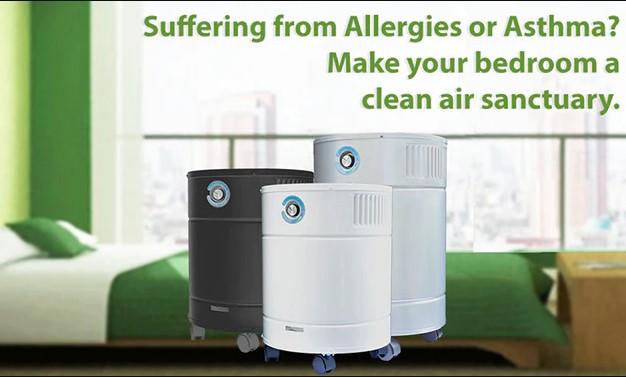
The air you breathe indoors plays a bigger
role in your health than you may realize. Indoor air pollution quietly affects
daily comfort and long-term well-being. From invisible allergens to
harmful chemical fumes, they can cause diseases. Poor air quality can be
especially challenging for individuals with allergies or chemical sensitivity.
Understanding how air purifiers work and choosing the right one can make a significant difference in creating a cleaner and healthier living space.
What is Indoor Air Pollution?
Typically, indoor air pollution refers to the contamination of air indoors. The air inside our house or the office is contaminated by gases, pet dander, mold, dust, or biological pollutants. These gases, mold, or pollutants can stem from cleaning products, building materials, and sometimes even form in the outdoor air entering buildings. Hence, we need clean air solutions to improve the IAQ as well as our health.
How is indoor air even worse than outdoor air?
The main reason for contaminated indoor air
is poor ventilation. Outdoor smog, industrial emissions sometimes ooze through
windows. And as we see, modern buildings and office air filtration lack enough
air exchange, which traps pollutants inside. Also, activities such as cooking
and cleaning release dirt particles that accumulate in confined areas.
Now that you have learnt about What Makes Indoor Air Unhealthy, read the next section to know how poor Indoor Air Quality affects health.
Health Effects of Poor Indoor Air Quality
It is obvious that Poor IAQ affects
anyone’s health negatively. It is hazardous to infants, who are still
developing lungs, or old-age people, or individuals with respiratory problems,
who need proper care and clean air solutions for the poor IAQ.
Short-term effects of breathing into poor
IAQ are irritation in the eyes, nose and throat. Sometimes respiratory problems
also arise such as chest tightness or shortness of breath.
If not taken care of earlier, its chronic effects are asthma, Chronic Obstructive Pulmonary Disease (COPD), infection in the blood, and lungs. It may also cause cognitive or neurological problems.
How Advanced Air Purification Systems Work?
So, how do air purification filters
work?
Advanced Air Purification Systems generally
work in 3 stages;
HEPA filters for tiny particles.
Activated
carbon for gases or odors in the room.
UVC light to kill microbes.
Also, there are some Air Purifiers that
offer advanced technologies such as;
Purifiers with UVC lights are the air cleaners for home allergies to kill bacteria and viruses present in the room.
Then, some purifiers release positive and negative ions to neutralize
impurities. These types of purifiers are generally used in whole-house systems
and office air filtration.
Then there are clean air solutions with smart sensors. They catch the real-time changes in the IAQ and adjust the fan speed accordingly. In the sequence, there are some purifiers that we can connect through apps. It allows remote control and will schedule the time via mobile phones.
Why Deep Carbon Filtration Matters for Clean Air
Solutions?
Among HEPA and UVC, only carbon filtration
matters the most because it removes chemicals or pollutants that other air
purifier filters might miss. Here are the key reasons why it matters the
most;
To remove
hazardous chemicals: Carbon filters remove VOC’s
(Volatile Organic Compounds) from the air that can cause long-term health
risks.
Pull out the
Unpleasant Taste and Odor: It removes the chlorine
and chloramine that are used in the municipal water treatment. The removal of
such substances makes the water more palatable.
Improve Air
Quality: Carbon filtration captures gaseous
pollutants and odors usually coming from smoking or pets. It soothes allergies
and respiratory symptoms.
Flexibility
Across Applications: Carbon filtration is an
effective and eco-friendly method. It has been used everywhere from water
pitchers at home to wastewater treatment in
industries.
Carbon filtration is important for the level of purity of water and air.
Choosing the Right Air Purifier for Your Needs
Here are some of the conditions you need to
know before buying a commercial air purifier;
Check your room
size first. And by room size, it doesn’t mean only the space, but the budget as
well.
Look out for the
type of pollutants in the area. For allergies and asthma, HEPA is important,
and in case of odors or smoke, go for it with an activated carbon one.
Check the reviews online before buying one, as quality matters the most. You can’t keep changing the purifiers after a few months.
Benefits of High-Performance Air Purifiers
A High-Performance air purifier improves
the air quality of the effective area. Here are some of the benefits that are
listed below;
Allergy
relief: A high-quality air purifier captures
allergens that irritate the eyes/throat and reduces triggers for allergy and
asthma attacks.
Removes Odors:
Activated carbon filters balance the smell from
pets, cooking, or smoking and leave behind the fresh air.
Improves
respiratory health: Clean air lessens the
inflammation to make breathing easier.
Supports sleep
quality: When irritating particles are removed from
the bedroom, sleep quality becomes better.
In Closing,
Maintaining healthy indoor air is important for protecting overall well-being. Selecting the right commercial air purifier becomes easier when you understand the health risks. High-performance purification systems help improve breathing and enhance daily comfort. Investing in proper air purification is not just a choice for cleaner air but a step toward a healthier lifestyle.
Post Your Ad Here
Comments