Why face-to-face sessions continue to matter in modern mental health care?
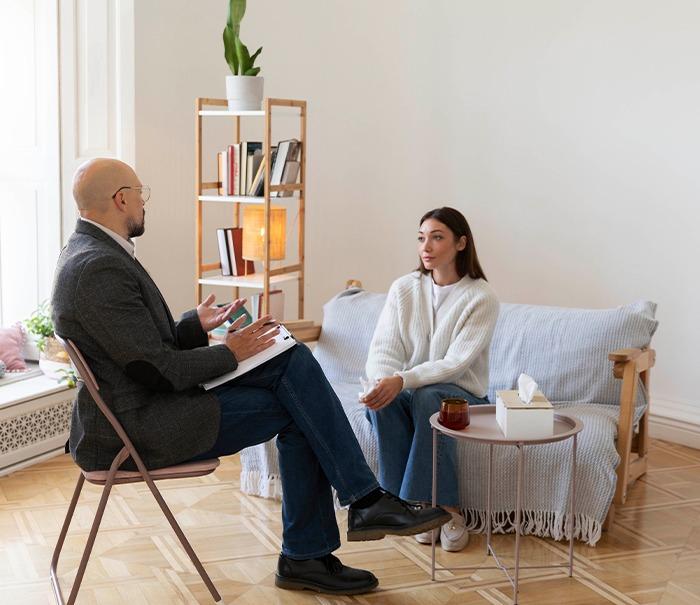
Digital tools transformed how people
receive mental health support, but many people still value the deeper
connection that arises from sitting across from a professional in the same
room. There’s a level of presence, focus, and emotional nuance that
face-to-face counseling provides that technology can’t always capture. And for
those who want to feel the comfort of human connection in a more grounded way, in-person
therapy in Hamilton
continues to be a valid and robust option.
Meeting in person, one of the most
potent benefits is rapport. Body language, Arm position, and eye contact are
all subtle hints and provide information for you to analyze. These non-verbal
cues allow therapists to respond better to changes in emotion, making the
client feel truly seen and heard. Our Hamilton clients typically describe a
better sense of connection with their therapist and the therapy process when
working in person compared to online.
The natural environment is also an
essential part of the healing. A therapy room provides privacy, continuity, and
a clear separation from life’s routine interruptions. Entering a workspace can
also trigger the mind to shift gears and focus inward. This kind of transition
can be less awkward for those who find it hard to talk about things at home
because of constant interruptions, shared space, and emotions attached to their
surroundings.
Personal sessions are the best option
for people dealing with very deep, intense, or complicated emotions. Trauma,
somatic, and experiential-based approaches are frequently dependent on
real-time engagement and a close-up view. Physically being there to bring
someone back down, breathe them through a rage, or move their body into a
calmer state can be more efficient. Therefore, for many, face-to-face therapy
in Hamilton facilitates the online therapist's emotional processing and regulation.
Being consistent also adds to the
success of in-person counseling. A regular meeting at a specific place adds
structure and obligation. This template motivates continual commitment to
development and enforces incremental improvement. The physical act of showing
up is, for some clients, a potent symbol of choosing mental well-being.
Additionally, face-to-face therapy can
create an added sense of safety among those who are leery about using
technology or concerned about privacy. Not everyone is used to sharing personal
matters online or is skilled at navigating digital platforms. Zooming in from
your computer screen allows conversations to have fewer digital disruptions and
can provide a safer meeting space.
But even with those flexible virtual
options, in-person therapy still remains a crucial component of comprehensive
mental health care that individuals in Hamilton benefit greatly from. It offers
the kind of concrete, hands-on support, person-to-person human connection, and
targeted attention that a lot of people feel are necessary for real change.
Clients can receive emotional & practical support in a way that we can’t
offer when working at this distance, to go deeper and examine challenges so
that they build resilience here, plus take those insights out of the therapy
room with them.
Jack
Stevens is the author of this article. For more details about online
therapy for social anxiety,
please visit our website: vitalminds.ca.
Post Your Ad Here
Comments