Audio Bridge or P25 Standards for Improved Radio Interoperability
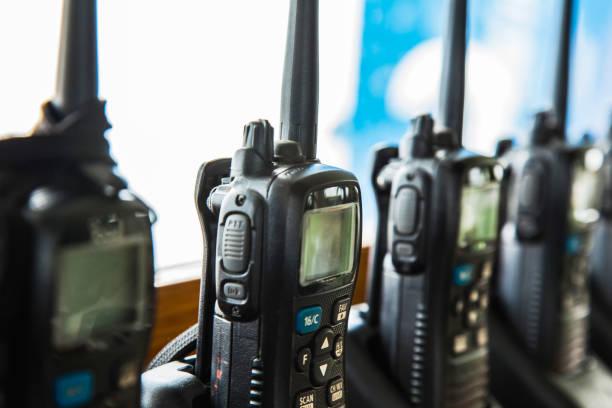
Improving radio interoperability has become a priority for organizations that rely on clear, reliable communication during shared operations. Whether it’s local police coordinating with EMS teams at a public event or building maintenance crews working alongside outside contractors during major facility repairs, the challenge often comes down to incompatible radio hardware and conflicting communication protocols. Fortunately, modern solutions exist that make it possible for different systems to work together seamlessly. Two of the most important tools in this space are radio bridging and the P25 radio standard. Combined with the right engineering support, these technologies can dramatically improve communication clarity, reduce unnecessary radio chatter, and ensure mission-critical messages reach the right people at the right time.
Radio Bridging Helps in Most Cases
Radio bridging is one of the most effective ways to simplify communication when multiple groups bring different radios to the same operation. In many cases, each department or team uses its own hardware, frequencies, and communication standards. Without a shared channel, groups resort to juggling handheld units, patching information manually, or relaying messages through a central dispatcher. This creates delays, introduces errors, and fills the airwaves with redundant chatter. Radio bridging solves these issues by linking multiple radio channels or systems into a single, unified communication path. Modern audio bridging systems not only merge channels but also filter out unwanted noise and cross-talk. This allows each team to speak in their own preferred format while still being heard by all other parties in the operation. Instead of chaos on the radio, teams hear only the essential information delivered in a clean, consistent stream.
For situations where digital radios are used, bridging provides another important advantage: the ability to connect digital radios using IP networks. This extends communication far beyond the physical range of handheld devices or repeaters. It allows departments to operate across buildings, campuses, cities, or even statewide networks without needing to replace existing hardware. By tying together different digital platforms, IP-based bridges let teams share a virtual communication space without giving up their individual radio systems. For organizations managing multiple facilities, event sites, or emergency response locations, this added flexibility makes coordination both easier and more reliable.
The P25 Project Was Developed for 1st Responders
Another major technology improving interoperability is the P25 (Project 25) radio standard. Created specifically for public safety and emergency services, P25 ensures that radios from different manufacturers can communicate with one another—regardless of brand, model, or proprietary features. When police, EMS, fire departments, or public works teams converge on a major incident, P25 provides a universal language for their radios. Even if one department uses older analog radios and another uses advanced digital units, P25 can make their communication compatible. The result is clear, dependable inter-agency messaging during moments when precision matters most. While P25 is widely used by government agencies, the same technology also benefits private organizations that operate an emergency communication system for business, helping them coordinate during drills, outages, facility evacuations, or severe weather.
Interoperability becomes even more important when mixing communication platforms such as RoIP (Radio over IP) and UHF. RoIP systems allow voice traffic to travel across digital networks instead of traditional radio waves. This is increasingly common in large organizations, school districts, industrial operations, and corporate campuses where communication must span long distances or connect multiple locations. UHF users, on the other hand, depend on conventional radio infrastructure. Without a method to bridge these two environments, teams may be forced into separate communication silos. Fortunately, the right bridging hardware can create a seamless handshake between RoIP users and UHF radio operators. This brings full communication interoperability to mixed-technology environments, ensuring no team is isolated simply because they use different equipment.
In practice, this blended approach helps during events such as corporate security coordinating with local first responders, or maintenance teams working with IT departments during system upgrades. Each group retains its preferred communication tools while still having the ability to participate in a unified voice channel. Over the long term, this reduces equipment costs, streamlines training, and minimizes misunderstandings during complex operations.
In summary, radio bridging, P25 technology, and the integration of RoIP systems for all users are transforming how organizations communicate during multi-team operations. These solutions reduce unnecessary radio noise, improve clarity, and ensure that everyone involved can communicate efficiently, even if they use different hardware brands or communication protocols. To fully realize these benefits, it’s important to work with a qualified radio communications consultants & engineers who can design the right architecture, program the equipment appropriately, and ensure that every component functions as intended. Proper setup and professional planning are essential for building a reliable, scalable communication network that performs flawlessly when it matters most.
Post Your Ad Here
Comments