How Pharmaceutical Product Supply Chain Providers Ensure Safety
Introduction: The Importance of Safety in the Pharmaceutical Supply Chain
The pharmaceutical industry plays a critical role in protecting human health. Medicines, vaccines, and medical products must reach patients in perfect condition, at the right time, and without any compromise in quality. A small mistake in storage, handling, or transportation can affect drug effectiveness and patient safety. This is where a pharmaceutical product supply chain provider becomes essential. These providers manage the movement of pharmaceutical products from manufacturers to distributors, hospitals, pharmacies, and finally to patients, while ensuring strict safety standards at every step.
Safety in the pharmaceutical supply chain is not optional. It is required by law, demanded by healthcare professionals, and expected by patients. A trusted pharmaceutical product supply chain provider focuses on quality control, regulatory compliance, secure logistics, and advanced technology to maintain the integrity of medicines throughout the supply chain.
Understanding the Role of a Pharmaceutical Product Supply Chain Provider
A pharmaceutical product supply chain provider is responsible for planning, managing, and executing the storage and distribution of pharmaceutical products. Their role covers sourcing raw materials, managing warehouses, controlling transportation, and ensuring timely delivery. More importantly, they ensure that medicines are handled under strict conditions such as temperature control, hygiene, and security.
Unlike general logistics services, pharmaceutical supply chains require specialized knowledge. Products may include temperature-sensitive vaccines, fragile injectables, or high-value medicines. A reliable pharmaceutical product supply chain provider understands these requirements and designs processes that reduce risks and maintain product safety from start to finish.
Regulatory Compliance and Industry Standards
One of the most important ways a pharmaceutical product supply chain provider ensures safety is by following strict regulations and industry standards. Governments and global health organizations have established guidelines to ensure that medicines remain safe during storage and transportation.
Key regulations include Good Distribution Practices (GDP), Good Manufacturing Practices (GMP), and local drug control laws. These rules define how products should be stored, labeled, transported, and documented. A professional pharmaceutical product supply chain provider trains its staff to understand and follow these regulations at all times.
Regular audits, inspections, and certifications help ensure compliance. By maintaining transparent records and proper documentation, providers can trace every product’s journey and quickly respond to any safety concerns.
Temperature Control and Cold Chain Management
Many pharmaceutical products are highly sensitive to temperature changes. Vaccines, biologics, insulin, and certain injectables must be stored and transported within specific temperature ranges. Failure to maintain these conditions can render medicines ineffective or even harmful.
A pharmaceutical product supply chain provider uses advanced cold chain solutions to manage temperature-sensitive products. This includes temperature-controlled warehouses, refrigerated vehicles, insulated packaging, and real-time temperature monitoring systems. Sensors and data loggers continuously track temperature and alert teams if there is any deviation.
By maintaining an unbroken cold chain, a pharmaceutical product supply chain provider ensures that products remain safe and effective until they reach the end user.
Secure Warehousing and Storage Practices
Warehousing is a critical part of pharmaceutical logistics. A pharmaceutical product supply chain provider designs warehouses to meet strict safety and hygiene standards. These facilities are clean, well-organized, and protected against contamination, pests, and unauthorized access.
Warehouses are often divided into specific zones for different product types, such as controlled drugs, temperature-sensitive items, and hazardous materials. Access control systems, surveillance cameras, and trained personnel help prevent theft, tampering, or misuse.
In addition, inventory management systems ensure proper stock rotation using methods like First Expiry First Out (FEFO). This reduces the risk of expired medicines reaching patients and supports overall safety.
Advanced Tracking and Traceability Systems
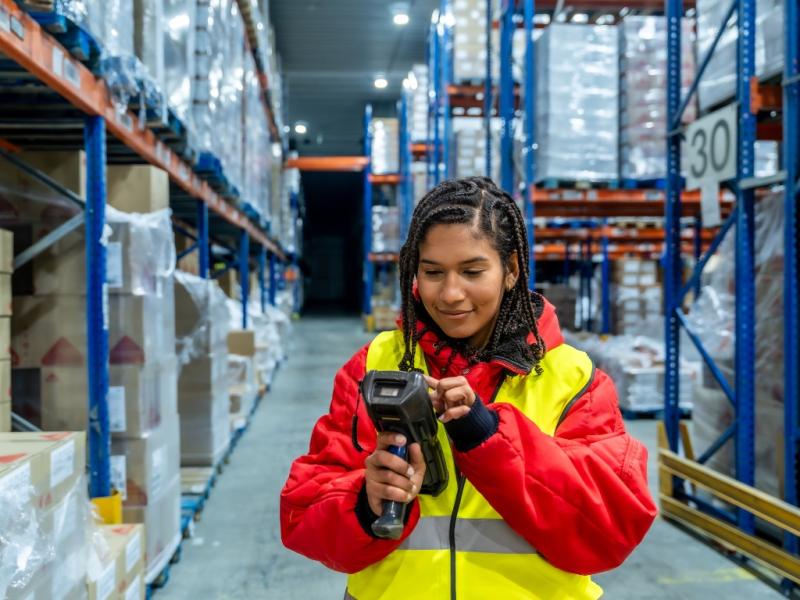
Traceability is essential for ensuring pharmaceutical safety. A pharmaceutical product supply chain provider uses digital tracking systems to monitor products at every stage of the supply chain. These systems record batch numbers, expiry dates, storage conditions, and movement history.
In case of a product recall or quality issue, traceability systems allow quick identification of affected batches and locations. This reduces risk to patients and helps companies respond efficiently to safety incidents.
By using barcodes, RFID tags, and cloud-based platforms, a pharmaceutical product supply chain provider improves visibility, accuracy, and accountability throughout the supply chain.
Risk Management and Contingency Planning
Pharmaceutical supply chains face many risks, including delays, equipment failures, natural disasters, and regulatory changes. A reliable pharmaceutical product supply chain provider identifies these risks and prepares contingency plans to protect product safety.
Risk management strategies include backup transportation routes, alternative storage facilities, and emergency response protocols. Providers also conduct regular risk assessments to identify weak points in the supply chain and improve processes.
By being proactive rather than reactive, a pharmaceutical product supply chain provider minimizes disruptions and ensures that medicines continue to reach patients safely.
Training and Skilled Workforce
People play a crucial role in maintaining pharmaceutical safety. A pharmaceutical product supply chain provider invests in regular training programs for its employees. Staff members are trained in handling procedures, hygiene practices, regulatory requirements, and emergency response.
Warehouse workers, drivers, and quality control teams must understand the importance of their responsibilities. Even small actions, such as proper labeling or careful loading, can impact product safety.
A well-trained workforce ensures consistency, reduces errors, and supports a strong culture of safety across the supply chain.
Quality Control and Continuous Monitoring
Quality control is an ongoing process in pharmaceutical logistics. A pharmaceutical product supply chain provider conducts regular inspections, audits, and performance reviews to ensure standards are met.
Monitoring systems track temperature, humidity, and handling conditions in real time. Any deviations are quickly investigated and corrected. Continuous improvement programs help providers learn from past issues and strengthen their safety measures.
By focusing on quality at every stage, a pharmaceutical product supply chain provider builds trust with manufacturers, healthcare providers, and patients.
Technology and Digital Transformation
Technology has transformed pharmaceutical supply chains. A modern pharmaceutical product supply chain provider uses digital tools to enhance safety, efficiency, and transparency.
Automation in warehouses reduces human error, while artificial intelligence helps predict demand and optimize routes. Blockchain technology is also being explored to improve data security and traceability.
Digital dashboards provide real-time visibility into inventory levels, shipment status, and environmental conditions. These innovations help a pharmaceutical product supply chain provider make faster, safer, and more informed decisions.
Sustainability and Ethical Responsibility
Safety in pharmaceutical supply chains also includes environmental and ethical considerations. A pharmaceutical product supply chain provider adopts sustainable practices such as eco-friendly packaging, energy-efficient warehouses, and optimized transportation routes.
Ethical responsibility includes preventing counterfeit drugs, ensuring fair labor practices, and maintaining transparency with partners. By addressing these areas, providers contribute to long-term safety and public trust.
Sustainable and ethical operations support a stronger, more resilient pharmaceutical supply chain.
Conclusion: Building Trust Through Safety and Reliability
Ensuring safety in the pharmaceutical supply chain is a complex and continuous responsibility. From regulatory compliance and cold chain management to technology adoption and workforce training, every detail matters. A professional pharmaceutical product supply chain provider combines expertise, infrastructure, and innovation to protect the quality and integrity of medicines.
As healthcare demands continue to grow, the role of a pharmaceutical product supply chain provider becomes even more important. By focusing on safety, transparency, and continuous improvement, these providers help ensure that patients receive safe, effective, and reliable pharmaceutical products when they need them most.
Post Your Ad Here
Comments