Pay-Per-Click Advertising: The Ultimate Growth Tool
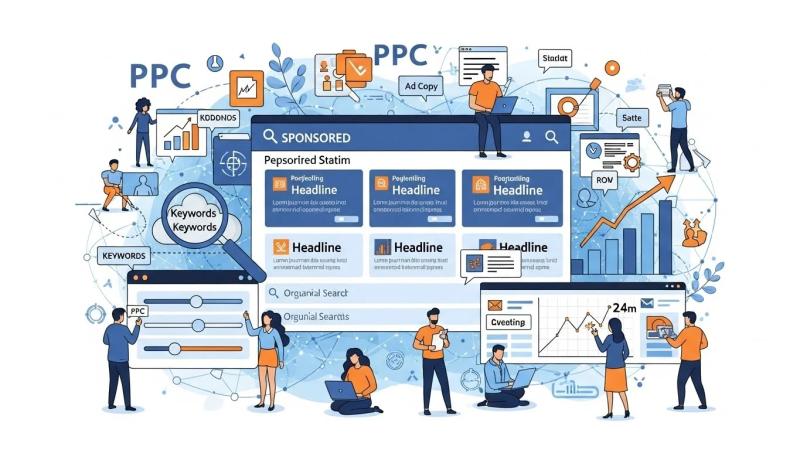
In today’s competitive digital ecosystem, businesses cannot rely solely on organic reach to scale revenue and visibility. Consumer attention is fragmented across platforms, devices, and moments, making paid visibility a necessity rather than an option. This is where Pay-Per-Click Advertising emerges as a powerful and measurable growth engine.
Unlike traditional marketing channels that demand time and long-term nurturing, paid advertising delivers immediate visibility to audiences actively searching for solutions. When executed strategically, it provides predictable traffic, measurable ROI, and scalable growth across industries.
This comprehensive guide by Adomantra explains how paid search works, why it has become an essential digital growth tool, and how brands can leverage it effectively for long-term success.
Understanding Pay-Per-Click Advertising
Pay-Per-Click Advertising is a digital advertising model where advertisers pay only when a user clicks on their ad. Instead of paying for impressions or reach, businesses invest directly in user intent and action.
These ads typically appear:
-
At the top of search engine results pages
-
On social media platforms
-
Across websites within display networks
-
On mobile apps and video platforms
The defining advantage of this model is intent-driven targeting. Ads are shown to users actively searching for relevant products or services, making it one of the most conversion-focused forms of online promotion.
How Pay-Per-Click Advertising Works
The PPC ecosystem operates through an auction-based system. Advertisers bid on keywords relevant to their offerings, and ads are ranked based on a combination of bid amount, relevance, and quality.
Key Components of the PPC Model
Keyword Selection
Advertisers choose keywords that align with user search intent. These can be transactional, informational, or brand-driven.
Ad Auction
Every time a user searches, an auction occurs. The platform evaluates all eligible ads and determines placement.
Quality Score
Ad relevance, landing page experience, and expected click-through rate influence ad rank, often more than bid value alone.
Cost Control
Advertisers set daily or monthly budgets, ensuring predictable spend without financial surprises.
Why Businesses Rely on Paid Advertising for Growth
The digital marketplace rewards speed, relevance, and precision. Paid advertising delivers all three.
Immediate Visibility
Unlike organic SEO, which can take months, paid campaigns begin generating traffic as soon as they go live.
Highly Targeted Reach
Businesses can target users based on keywords, location, device, time, demographics, and behavior.
Measurable Performance
Every click, conversion, and cost can be tracked and optimized.
Scalability
Successful campaigns can be scaled instantly by increasing budgets or expanding keyword coverage.
These benefits make PPC a cornerstone for startups, enterprises, and service-based businesses alike.
Types of Pay-Per-Click Advertising Campaigns
Different campaign formats serve different business objectives.
Search Advertising
Text ads triggered by user searches on search engines. Ideal for high-intent traffic and lead generation.
Display Advertising
Visual banner ads shown across partner websites. Best for brand awareness and remarketing.
Shopping Campaigns
Product-based ads showcasing images, prices, and reviews. Common in eCommerce strategies.
Video Advertising
Short ads displayed before or during video content. Effective for storytelling and brand recall.
Remarketing Campaigns
Ads shown to users who have previously visited a website but did not convert.
Benefits of Pay-Per-Click Advertising for Businesses
When executed strategically, this advertising model delivers both short-term wins and long-term business value.
Controlled Advertising Costs
Advertisers pay only for actual engagement, making budgets efficient and accountable.
Data-Driven Decisions
Campaign performance reveals insights into customer behavior, search patterns, and market demand.
Improved Conversion Rates
High-intent targeting ensures traffic quality remains strong.
Competitive Advantage
Businesses can outrank competitors instantly without waiting for organic rankings.
Role of an Internet Advertising Company in PPC Success
Managing paid campaigns requires more than setting bids and writing ads. Strategy, optimization, and continuous testing determine profitability. This is where a professional internet advertising company plays a crucial role.
Such companies bring:
-
Advanced keyword research capabilities
-
Conversion-focused ad copywriting
-
Landing page optimization insights
-
Ongoing performance monitoring
-
ROI-driven budget allocation
Partnering with experts ensures that campaigns are not just visible, but profitable.
Keyword Strategy and Audience Intent
Keyword selection is the foundation of any successful campaign. Choosing the wrong keywords leads to wasted spend, while the right ones generate consistent conversions.
Types of Keywords
-
Transactional keywords signal purchase intent
-
Commercial keywords reflect comparison behavior
-
Brand keywords protect brand visibility
-
Long-tail keywords capture specific, high-conversion searches
Understanding user intent behind each keyword ensures ads are aligned with the buyer journey.
Creating High-Performing PPC Ads
Strong ad copy bridges user intent and business value.
Elements of Effective Ads
-
Clear headline addressing user need
-
Value proposition or differentiator
-
Trust signals such as experience or results
-
Strong call-to-action
Ads should speak directly to the problem the user is trying to solve, not just promote features.
Landing Page Optimization for Better Conversions
Clicks alone do not guarantee success. Landing pages must convert visitors into leads or customers.
Best Practices
-
Message consistency between ad and page
-
Fast loading speed
-
Clear headline and benefit-driven content
-
Simple forms or checkout process
-
Strong trust elements like testimonials or certifications
An optimized landing page significantly reduces cost per conversion.
Budgeting and Cost Management
One of the biggest advantages of paid advertising is budget control.
Advertisers can:
-
Set daily caps
-
Pause or resume campaigns anytime
-
Shift budgets toward high-performing keywords
-
Eliminate waste through negative keywords
This flexibility makes PPC suitable for both small businesses and large enterprises.
Common Mistakes to Avoid in PPC Campaigns
Even experienced advertisers can lose money without proper strategy.
Frequent Errors
-
Targeting overly broad keywords
-
Ignoring negative keywords
-
Sending traffic to irrelevant pages
-
Not tracking conversions
-
Failing to test ad variations
Avoiding these mistakes improves efficiency and long-term profitability.
PPC vs Organic Marketing: A Balanced Approach
Paid and organic strategies are not competitors but complements.
While organic SEO builds long-term authority and trust, PPC delivers immediate traffic and insights. Many successful brands use paid campaigns to:
-
Test keyword viability
-
Support new product launches
-
Dominate high-value search terms
The data from paid campaigns often strengthens organic strategies as well.
Measuring Success in Pay-Per-Click Advertising
Performance measurement goes beyond clicks.
Key Metrics to Track
-
Click-through rate
-
Cost per click
-
Conversion rate
-
Cost per acquisition
-
Return on ad spend
These metrics help businesses understand what works and where improvements are needed.
How Adomantra Drives PPC Growth
At Adomantra, we believe that paid advertising should fuel sustainable business growth, not just traffic.
Our approach focuses on:
-
Deep audience research
-
Conversion-focused strategy
-
Transparent reporting
-
Continuous optimization
-
ROI-first mindset
As an experienced internet advertising company, we align paid campaigns with business goals, ensuring every click adds measurable value.
The Future of Paid Advertising
The paid advertising landscape continues to evolve with automation, AI-driven bidding, and audience-based targeting. However, strategy and human insight remain critical.
Businesses that invest in expertise, testing, and data-driven decisions will continue to outperform competitors in paid channels.
Conclusion
In an era where attention is currency, Pay-Per-Click Advertising stands as one of the most powerful tools for driving immediate visibility, qualified traffic, and scalable growth. When combined with expert strategy, strong creatives, and optimized landing experiences, it becomes a reliable engine for business success.
Choosing the right partner and focusing on intent-driven execution transforms paid campaigns from an expense into a growth investment.
If your business is ready to scale faster and smarter, paid advertising is not just an option—it is a necessity.

Post Your Ad Here
Comments