What Shooters Often Miss About the Remington 700 Trigger
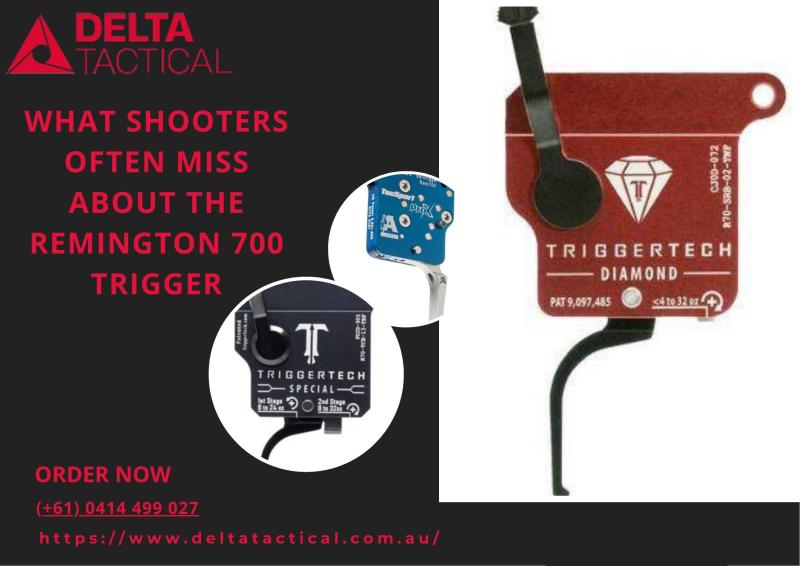
Most shooters start with specs. That is usually the wrong place to start, especially with the Remington 700.
Triggers are about feel, control, and trust. Many guides online skip these parts. They focus on numbers or brand names. That leaves readers confused and unsure.
This guide explains common mistakes shooters make. It focuses on what actually matters when time is spent behind the rifle. Each section covers one clear idea.
1. Trigger Weight Is Personal
Trigger weight is not a target number. It is a comfort range. Some shooters want a lighter pull. Others prefer more resistance. The right choice depends on how you shoot. It also depends on where you shoot.
Standing shots feel different from prone shots. Cold hands change control. Fatigue also plays a role. Many shooters learn this after trying several setups. The best option is the one you can use the same way every time.
Hand size, finger placement, and trigger shoe shape also affect comfort and control during long sessions, especially when wearing gloves or shooting from awkward positions under stress or timed drills.
2. Labels Do Not Tell the Full Story
Single-stage and two-stage triggers are often used. The labels sound important. The feel matters more.
Some triggers break clean with no warning. Others give a clear point before the shot. Each style suits different habits.
Most problems happen when shooters choose based on advice alone. Trying to match someone else’s preference often leads to frustration.
Pay attention to how the trigger moves. That tells you more than the name.
3. Safety Comes from Practice
A trigger does not make a rifle safe. The shooter does.
Good habits matter more than features. A clean break helps control. It does not replace awareness.
Many experienced shooters choose conservative setups. They value predictability. That matters in the field and at the range.
Confidence comes from knowing how your rifle behaves every time.
4. Installation Deserves Respect
Most trigger issues start during installation. That step gets rushed.
Small mistakes lead to big problems. Screws get over-tightened. Checks get skipped. Settings get guessed.
Some shooters enjoy doing the work themselves. Others prefer professional help. Both choices are fine.
What matters is knowing your limits. A careful install prevents future issues.
5. Conditions Affect Performance
Triggers react to the environment. Dust builds up. Moisture causes wear. Cold stiffens movement. Range testing does not show this. Field use does.
Shooters who spend time outdoors learn fast. Reliability matters more than light feel. Consistency matters more than smooth words.
Maintenance also matters. Clean parts last longer and behave better.
6. Price Does Not Equal Trust
Expensive parts do not guarantee better results. Cheap parts are not always bad. Trust comes from use. It comes from knowing what happens when the trigger is pressed.
Many shooters stick with setups they know well. Familiarity builds confidence. That leads to better shooting. Buying once is good. Buying right is better.
7. Why This Platform Still Gets Attention
The Remington 700 remains popular for one reason. It has been used for a long time. That history creates strong opinions. Some are helpful. Some are not.
Good advice focuses on experience. It avoids hype. It explains what works and why. The best guidance helps shooters make their own decisions.
Confidence Starts with the Right Trigger
Choosing a trigger should feel clear. It should not feel rushed, especially when setting up a Remington 700.
Delta Tactical supports shooters who want reliable gear and honest information. The goal is confidence, not pressure.
Take the time to understand how you shoot. Choose parts that match your habits. Avoid chasing trends or opinions.
The right setup builds trust. That trust shows every time the trigger is pulled.
Post Your Ad Here
Comments