7 Biggest Misconceptions People Have Before Moving to Riyadh
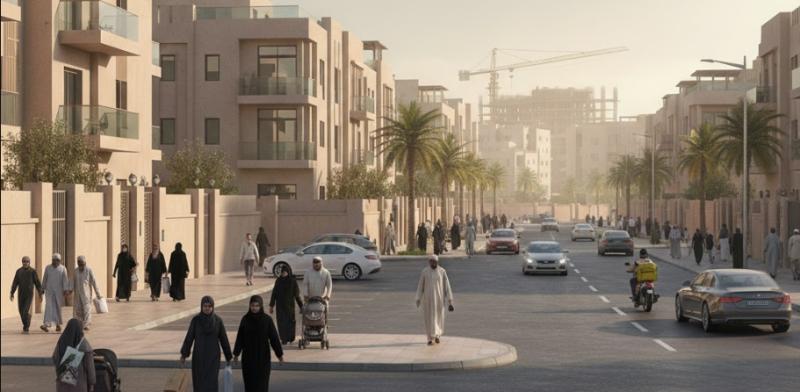
Before I moved to Riyadh, I thought I had a pretty clear idea of what life here would be like. I had read Reddit threads, watched YouTube videos, and listened to people who had never actually lived in the city but somehow had very strong opinions about it.
After spending real time here, I realized something simple: most opinions about Riyadh are formed before people ever experience daily life here. And that’s where misconceptions start.
This isn’t a promotional article, and it’s not meant to defend or criticize the city. It’s just a practical breakdown of what people think Riyadh is like versus what you actually experience once you settle in.
Misconception #1: “Life in Riyadh Is Extremely Restrictive”
This is probably the most common assumption.
Yes, Saudi Arabia has its own cultural and legal framework, and Riyadh reflects that. But daily life is far more normal and structured than people imagine. You wake up, go to work, deal with traffic, grab coffee, worry about errands, and complain about the weather — just like any other large city.
Shopping malls are full, cafes are busy until late night, gyms are everywhere, and social life exists — it just looks different from Western cities. Once you understand social boundaries, things feel predictable rather than restrictive.
Most restrictions people fear are either outdated or misunderstood.
Misconception #2: “Riyadh Is Always Clean and Dust-Free”
This one surprised me personally.
Riyadh is a modern city, but it’s also located in a desert environment. Dust is part of life here. Even well-maintained neighborhoods deal with fine dust entering homes through windows, balconies, and ventilation systems.
New residents often underestimate how frequently homes need deep cleaning. Regular sweeping isn’t enough, especially in apartments where dust settles quickly on furniture and AC vents.
This is why many residents eventually rely on a professional cleaning company for periodic deep cleaning rather than trying to manage everything themselves. It’s not about luxury — it’s about practicality in a dusty climate.
Misconception #3: “Pests Aren’t a Problem in a Modern City”
People assume that because Riyadh is developed, pest issues don’t exist. That’s not realistic.
Warm weather creates ideal conditions for insects, especially during certain months. Ants, cockroaches, and mosquitoes are common if preventive measures aren’t taken. This doesn’t mean the city is unhygienic — it’s simply climate-related.
Long-term residents don’t wait for infestations. They schedule pest control services as preventive maintenance, especially in villas or ground-floor apartments. It’s treated the same way people treat AC servicing or plumbing checks.
Ignoring this reality usually leads to frustration later.
Misconception #4: “Air Conditioning Is Optional”
Air conditioning in Riyadh is not optional. It’s survival.
Summer temperatures are intense, and AC systems run for long hours every day. What many newcomers don’t realize is that AC maintenance matters just as much as having an AC unit.
Dirty filters, blocked vents, or neglected servicing can make indoor air uncomfortable and even unhealthy. That’s why AC servicing becomes part of normal home care here, similar to electricity or water systems.
Once you experience a Riyadh summer, you understand why people take cooling systems seriously.
Misconception #5: “Finding Housing Is Easy”
On paper, it looks easy. In reality, housing takes time.
Many people expect to find the perfect apartment or compound immediately. What usually happens is that people rent short-term first, then move again once they understand traffic patterns, neighborhoods, and commute times.
Contracts, deposits, and agent expectations vary, and it takes a few months to understand what’s normal. This isn’t unique to Riyadh, but newcomers often underestimate how large the city is and how much location matters.
Misconception #6: “You Can Easily Live Without a Car”
Technically, yes. Practically, it’s difficult.
Riyadh is spread out. Ride-hailing apps are widely used, but daily life becomes much easier with a car. Commutes, grocery runs, work schedules, and social plans all depend heavily on mobility.
And like anywhere else, driving comes with surprises. Flat tires happen — often at the worst times. That’s why car mobile puncture service providers are commonly used by residents, especially when issues happen late at night or on highways.
This isn’t something people think about before moving, but it becomes very real once you’re here.
Misconception #7: “Social Life Is Limited”
Social life in Riyadh isn’t limited — it’s layered.
Friendships usually form through work, gyms, neighborhood cafes, or shared routines. It takes time, but once circles form, social life becomes consistent.
The mistake many newcomers make is expecting instant community. Riyadh rewards patience. Once routines settle, weekends fill up quickly.
What Most People Realize After 3–6 Months
After a few months, the city stops feeling overwhelming.
You stop comparing Riyadh to other cities and start understanding it on its own terms. Daily life becomes predictable. Misconceptions fade, and routines take over.
Most frustrations people express online come from the adjustment phase, not from long-term reality.
Why Online Opinions Can Be Misleading
A lot of negative opinions come from people who stayed briefly or never lived here. Online platforms amplify extremes.
For balanced perspectives, official and high-authority sources like the Saudi Ministry of Tourism, Saudi Vision 2030, and global platforms such as Numbeo (cost of living comparisons) and Expat Insider by InterNations provide more structured, data-backed insights than random comments.
Real understanding comes from lived experience.
Final Thoughts
Riyadh isn’t perfect, but it’s not what most people imagine either.
It’s a functional, fast-growing city with its own rhythm. The biggest mistake newcomers make is arriving with rigid expectations instead of adaptability.
Once you understand the environment — dust, heat, transport, and routines — life becomes straightforward.

Post Your Ad Here