Abstract Emotion: Capturing Feelings through Non-Representational Art on Canvas
Art has always been a language of emotion. While realistic art tells stories through familiar forms, emotional abstract art goes a step further; it speaks directly to human feelings without relying on recognizable subjects. However, through colour, texture, shape, and movement, abstract artists translate emotions onto canvas in their purest form. Hence, this is what makes abstract art so powerful, personal, and universally relatable.
In this blog, we will discuss how abstract painting ideas, especially oil on canvas, capture human emotions through non-representational forms and how artistic elements like colours, patterns, textures, and shapes define emotional depth. Keep scrolling and keep reading!
Understanding Emotional Abstract Art. Explore!
Emotional abstract art does not attempt to replicate reality. Instead, it reflects inner states. For instance, joy, chaos, grief, anger, love and confusion. However, the absence of clear imagery allows viewers to project their own emotions, making each piece deeply personal. Hence, unlike representational art, abstract art focuses on:
Emotional experience over visual accuracy
Sensation rather than anrration
Feeling rather than form
Therefore, this freedom allows artists to communicate emotions that words often fail to express. It is the emotional appeal that an art evokes that conveys a stronger message to the spectators.
Abstract Art as a Reflection of Human Emotions.
Human emotions are complex, layered, and constantly shifting, much like abstract art itself. However, abstract painters use instinct, intuition, and emotion-driven movement to create works that feel alive. Hence, a bold, aggressive stroke may suggest anger or urgency, while soft blending can evoke calm or vulnerability. The absence of a defined subject invites emotional interpretation rather than logical analysis, allowing viewers to feel rather than understand. Therefore, this is why abstract art emotions resonate so strongly with people from different cultures and backgrounds
The Power of Colour Psychology in Abstract Painting. Find Out.
Colour is one of the most important tools in abstract art painting ideas. Each colour carries emotional weight and psychological impact. However, the emotional meaning of colours in abstract art:
Red: passion, anger, intensity, love
Blue: calm, sadness, depth, introspection
Yellow: optimism, energy, anxiety
Black: mystery, grief, strength, silence
White: purity, emptiness, balance
Green-growth, healing, harmony
Therefore, in oil on canvas, colours appear richer and more layered, enhancing emotional depth. Artists often layer colours to reflect complex emotions. Hope mixed with sadness, or calm interrupted by chaos. Colour combinations also define emotional patterns, guiding how the viewer experiences the artwork
How do Patterns Represent Emotional Language?
Patterns in abstract art are rarely decorative, but they are expressive. However, repetitive patterns can suggest routine comfort or entrapment. These broken or chaotic patterns often reflect inner conflict and instability. With this, flowing patterns can indicate freedom, acceptance, or emotional release. Therefore, these patterns form a rhythm, mirroring emotional cycles such as stress, healing, or transformation. In the abstract ideas, patterns act as visual emotions that are unspoken but deeply felt.
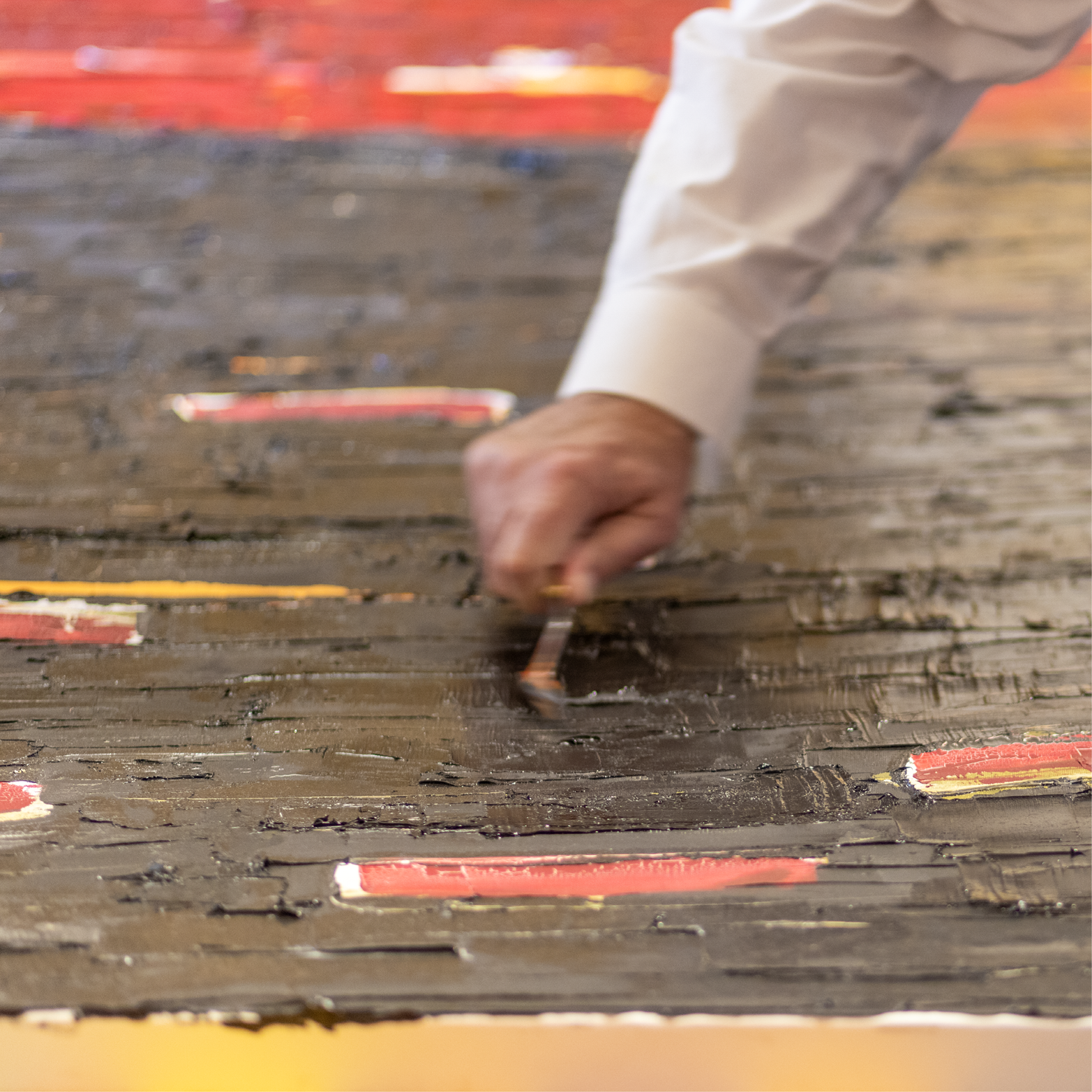
Often, it is observed that texture brings physicality to emotion. However, in emotional abstract art, textures are created through thick paint, palette knives, layering or mixed media techniques. However, these textures leave an emotional impact. For instance, rough textures convey struggle, pain and unrest. Soft textures on the hand suggest peace, clarity or softness. Therefore, in oil on canvas, texture becomes especially expressive, as the thickness and movement of oil paint capture emotional energy frozen in time. It is the best way that allows viewers not just to see emotion but almost feel it.
Wrapping Up!
One of the most powerful aspects of emotional abstract art is its openness to interpretation. Without a defined subject, the viewer completes the artwork with their emotions, memories and experiences. However, two people may see the same abstract painting and feel entirely different emotions, and both interpretations are valid. Therefore, this emotional dialogue between artist, artwork, and viewer is what gives abstract art its timeless appeal. In a world often defined by structure and clarity, abstract art reminds us that emotions are beautifully complex, fluid and deeply human.

Post Your Ad Here
Comments