Why Containerized Water Treatment Plants Are Perfect for Remote Areas in the UAE
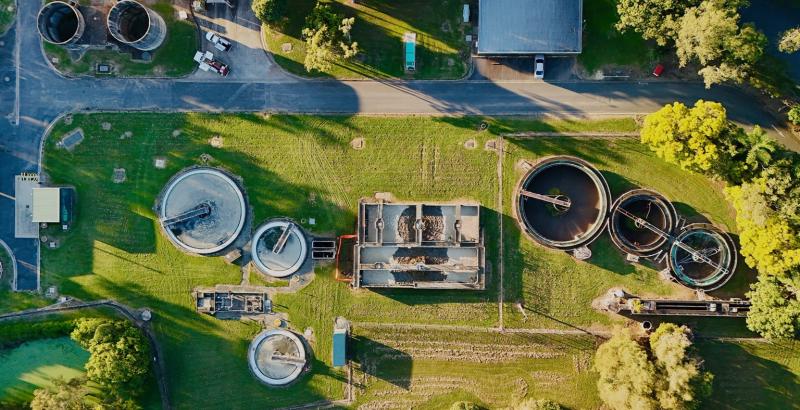
The UAE is known for its rapid development, ambitious infrastructure projects, and expanding industrial footprint. While major cities like Dubai and Abu Dhabi benefit from advanced utilities, many remote and semi-remote locations—such as desert construction sites, oil & gas fields, agricultural zones, and labor camps—face a critical challenge: reliable access to clean water and wastewater treatment.
Traditional water treatment infrastructure is often impractical in these locations due to high costs, long installation timelines, and a lack of municipal connections. This is where containerized water treatment plants are proving to be a game-changer.
Designed for mobility, speed, and efficiency, containerized systems offer a practical and scalable solution tailored to the UAE’s harsh climate and remote operational needs.
What Is a Containerized Water Treatment Plant?
A containerized water treatment plant is a fully pre-engineered water or wastewater treatment system housed inside a standard ISO shipping container. These plants are manufactured, assembled, and tested off-site, then transported ready for immediate deployment.
Depending on project requirements, containerized plants can include:
- Reverse osmosis (RO) systems
- Filtration units
- Biological wastewater treatment
- Disinfection and chemical dosing systems
- Automation and control panels
Unlike conventional treatment plants that require extensive civil works, containerized plants are plug-and-play, making them ideal for locations with limited infrastructure.
Why Remote Areas in the UAE Need Specialized Water Treatment Solutions
Remote locations in the UAE present unique operational challenges:
- No access to municipal water or sewage networks
- Extreme temperatures exceeding 45°C
- High salinity and variable water quality
- Temporary or fast-moving projects
- Expensive water tanker dependency
Traditional treatment plants are often oversized, costly, and time-consuming to build for such environments. Containerized water treatment plants are specifically designed to overcome these constraints with flexibility and speed.
Key Advantages of Containerized Water Treatment Plants for Remote UAE Locations
- Rapid Deployment & Minimal Installation Time
Containerized plants are delivered fully assembled and tested, significantly reducing project timelines. Installation can often be completed within days rather than months, which is critical for time-sensitive projects.
- Mobility and Relocation Flexibility
Since these systems are housed in shipping containers, they can be easily transported, relocated, or redeployed as project needs change—ideal for construction sites and temporary operations.
- Compact Footprint
Remote sites often have space limitations. Containerized plants require minimal land area and eliminate the need for large civil structures.
- Built for Harsh UAE Conditions
Designed to operate reliably in extreme heat, dusty environments, and high salinity conditions, containerized plants are engineered specifically for Middle Eastern climates.
- Cost-Effective Remote Operations
By reducing civil works, labor, and transportation costs, containerized plants offer a lower total cost of ownership compared to permanent installations—especially in remote locations.
Common Use Cases of Containerized Water Treatment Plants in the UAE
Containerized systems are widely used across multiple sectors, including:
- Remote construction sites and labor accommodations
- Oil & gas exploration fields
- Mining and quarry operations
- Desert resorts and eco-tourism camps
- Agricultural and irrigation projects
- Emergency water supply during infrastructure outages
Their adaptability makes them suitable for both short-term and long-term applications.
Supporting Sustainability and Water Reuse in Remote Areas
Water sustainability is a national priority in the UAE. Containerized water treatment plants support this goal by enabling:
- Reuse of treated wastewater for irrigation and dust control
- Reduced dependency on tanker-supplied water
- Lower fuel consumption and transport emissions
- Efficient water use in off-grid environments
These systems align perfectly with the UAE’s broader water security and sustainability initiatives.
Compliance with UAE Water and Environmental Regulations
Even in remote locations, water treatment systems must meet local environmental and water quality standards. Modern containerized plants are designed to comply with the relevant UAE municipality and environmental authority requirements.
With controlled treatment processes and automated monitoring, these systems deliver consistent, compliant water quality without complex infrastructure.
Key Factors to Consider When Choosing a Containerized Water Treatment Plant
Before selecting a system, project owners should evaluate:
- Raw water source and quality
- Required treatment capacity
- Power availability (grid, generator, or solar)
- Automation and remote monitoring needs
- Availability of local service and maintenance support
Choosing the right design ensures long-term performance and reliability in remote UAE conditions.
The Future of Containerized Water Treatment in the UAE
As infrastructure development expands beyond urban centers, demand for mobile, efficient, and sustainable water treatment will continue to grow.
Future trends include:
- Solar-powered containerized systems
- Smart monitoring using IoT and automation
- Hybrid systems combining RO, filtration, and reuse
Containerized plants are no longer just temporary solutions—they are becoming a strategic part of long-term water management planning in the UAE.
Conclusion
Containerized water treatment plants offer a powerful combination of speed, flexibility, cost efficiency, and sustainability. For remote and off-grid locations across the UAE, they provide a reliable solution where traditional infrastructure falls short.
Whether for construction, industry, agriculture, or emergency use, containerized systems ensure safe, treated water—anywhere it’s needed.

Comments