SEO vs Paid Ads in 2025: Which Delivers Better ROI?
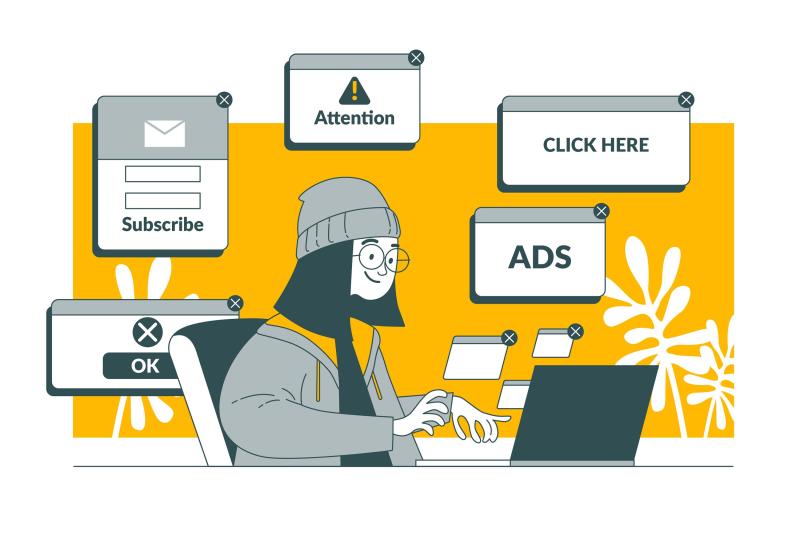
In 2025, businesses face a common digital marketing question: Should we invest in SEO or paid ads for better return on investment (ROI)? With rising competition, AI-driven search results, and increasing ad costs, the answer isn’t always straightforward.
Both SEO (Search Engine Optimization) and paid advertising (PPC) play important roles in modern marketing—but they work very differently. This article breaks down how each channel performs in
2025, their costs, benefits, limitations, and how to choose the right one for your business.
Understanding SEO in 2025
SEO focuses on improving your website so it appears naturally in search results without paying for each click. In 2025, SEO is more advanced than ever, shaped by AI search, user experience signals, and content quality.
What SEO Looks Like Today
Modern SEO includes:
High-quality, helpful content (not keyword stuffing)
-
Strong technical performance (page speed, Core Web Vitals)
-
Mobile-first and user-friendly design
-
EEAT (Experience, Expertise, Authoritativeness, Trust)
-
Optimization for AI Overviews and zero-click searches
SEO ROI in 2025
SEO takes time, but the returns are long-lasting. Once your pages rank well, you can generate consistent traffic without paying for every visitor.
Pros of SEO:
-
Long-term traffic growth
-
High trust from users
-
Lower cost per lead over time
-
Works 24/7 without ad spend
Cons of SEO:
-
Results are slow (3–6 months or more)
-
Requires ongoing content and technical work
-
Algorithm updates can impact rankings
Understanding Paid Ads in 2025
Paid ads include Google Ads, Bing Ads, social media ads, and Performance Max campaigns. You pay for clicks, impressions, or conversions.
What’s Changed in Paid Ads
In 2025, paid advertising is heavily powered by AI:
-
Automated bidding and targeting
-
Performance Max campaigns
-
Less manual control
-
Higher competition = higher costs
Paid Ads ROI in 2025
Paid ads deliver immediate visibility and are ideal for short-term goals.
Pros of Paid Ads:
-
Instant traffic and results
-
Precise targeting
-
Easy to scale quickly
-
Ideal for product launches and promotions
Cons of Paid Ads:
-
Rising cost-per-click (CPC)
-
Traffic stops when spending stops
-
Lower trust compared to organic results
-
Requires constant optimization
SEO vs Paid Ads: ROI Comparison
| Factor | SEO | Paid Ads |
|---|---|---|
| Speed of results | Slow | Immediate |
| Cost over time | Lower | Higher |
| Long-term ROI | Strong | Limited |
| Trust & credibility | High | Medium |
| Scalability | Gradual | Instant |
| Sustainability | High | Low |
Which Channel Delivers Better ROI in 2025?
SEO Delivers Better ROI When:
-
You want long-term growth
-
You rely on organic traffic
-
You’re building brand authority
-
Your budget is limited but steady
Paid Ads Deliver Better ROI When:
-
You need quick leads or sales
-
You’re launching a new product
-
You’re testing offers or markets
-
You have a flexible ad budget
The Smartest Strategy in 2025: Use Both
The most successful businesses in 2025 don’t choose one—they combine SEO and paid ads.
How SEO + Paid Ads Work Together
-
Use paid ads for immediate traffic
-
Use SEO to reduce ad dependency over time
-
Run ads on keywords you’re not ranking for yet
-
Retarget organic visitors with paid ads
-
Use PPC data to improve SEO keyword strategy
This hybrid approach delivers better ROI, lower risk, and more stable growth.
Conclusion: SEO or Paid Ads?
There is no one-size-fits-all answer.
-
SEO wins for long-term ROI
-
Paid ads win for short-term speed
-
Combining both delivers the highest ROI in 2025
If your goal is sustainable growth, start with SEO and support it with paid ads. If your goal is fast results, use paid ads while building SEO in parallel. To make the most of both SEO and paid advertising in 2025, businesses need a clear strategy backed by technical expertise and ongoing optimization. SEO-focused companies help brands build long-term search visibility through data-driven SEO strategies, ensuring sustainable traffic growth while reducing dependency on paid ads over time.
Post Your Ad Here