Practical SEO and Digital Marketing Insights for Sustainable Online Growth
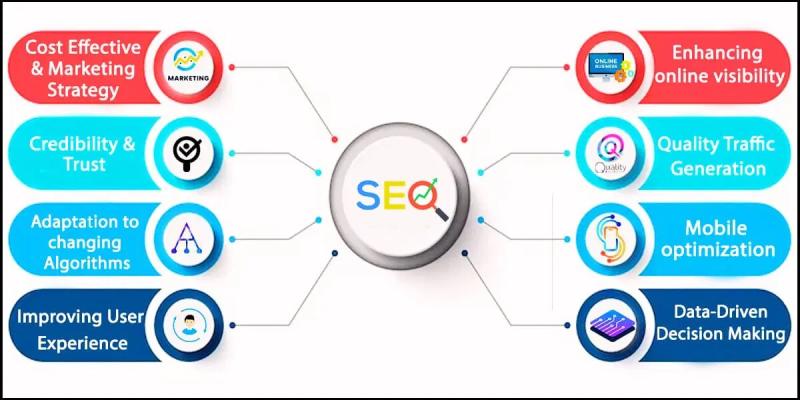
Search engine optimisation and digital marketing continue to evolve as user behaviour, search algorithms, and content consumption patterns change. As an SEO professional, one of the most important lessons learned over time is that sustainable results come from consistency, clarity, and a strong understanding of user intent rather than shortcuts or trends.
Understanding Search Intent Before Strategy
Effective SEO begins with recognising why users search for specific terms. Search intent generally falls into four categories: informational, navigational, commercial, and transactional. When content aligns with the correct intent, it naturally performs better in search results. For example, informational searches require clear explanations, while commercial queries benefit from comparisons and practical insights. Focusing on intent reduces bounce rates and improves engagement, which search engines increasingly value.
Content Quality Over Content Volume
Publishing frequent content alone no longer guarantees visibility. Search engines now prioritise relevance, depth, and readability. High-performing content typically:
-
Answers specific user questions clearly
-
Uses simple language with structured headings
-
Avoids unnecessary repetition or keyword stuffing
Well-structured content also improves accessibility and keeps readers engaged longer, sending positive signals to search engines.
Technical SEO Remains a Core Foundation
Even strong content can underperform if technical issues are present. Core technical factors such as site speed, mobile responsiveness, crawlability, and secure connections directly impact rankings. Regular audits help identify issues like broken links, duplicate pages, or indexing errors. Technical SEO may not always be visible to users, but it plays a decisive role in long-term performance.
The Growing Role of User Experience
Search engines increasingly measure how users interact with websites. Metrics such as page load time, layout stability, and ease of navigation influence visibility. A well-designed website that loads quickly and presents information clearly improves both user satisfaction and organic reach. SEO and user experience are no longer separate disciplines; they work best when aligned.
Digital Marketing Beyond Search Engines
SEO works most effectively when integrated with broader digital marketing efforts. Social engagement, content distribution, and brand mentions help reinforce authority and visibility. While these channels may not directly control rankings, they amplify content reach and encourage natural link-building, which remains an important ranking signal.
Long-Term Thinking Delivers Real Results
SEO is not an instant solution. Sustainable growth comes from steady optimisation, regular content updates, and ongoing analysis. Short-term tactics may create temporary gains, but long-term strategies build trust with both users and search engines.
In today’s digital environment, successful SEO and digital marketing rely on adaptability, ethical practices, and a strong focus on user value. By prioritising clarity, usability, and relevance, professionals can create digital assets that perform consistently over time.
Post Your Ad Here
Comments