Install Your New Wheel Bearings like a Pro Today
Modern cars are technological marvels, but some of the most critical components are still mechanical parts working relentlessly behind the scenes. Little else plays a more vital role in your vehicle's safety and performance than the integrity of its wheel assembly. The moment you get that tell-tale grinding or humming noise, well, consider that your fair warning that your setup is failing. And don't even think about ignoring it-a failing assembly compromises steering control and can quickly lead to expensive collateral damage. If you're ready to take it on yourself, you can install new Wheel bearings with professional-grade precision, but you need to know not only the proper steps but also, crucially, the "why" behind those steps. Let's make sure you get the job done right the first time.
Wheel Assembly Function in Vehicle Dynamics?
Apart from being a mere structure
fastened together with a number of parts, the wheel assembly is, in reality,
that critical link in fastening the wheel to the axle of the car, making sure
it moves in a smooth manner without any unwanted vibration or play during
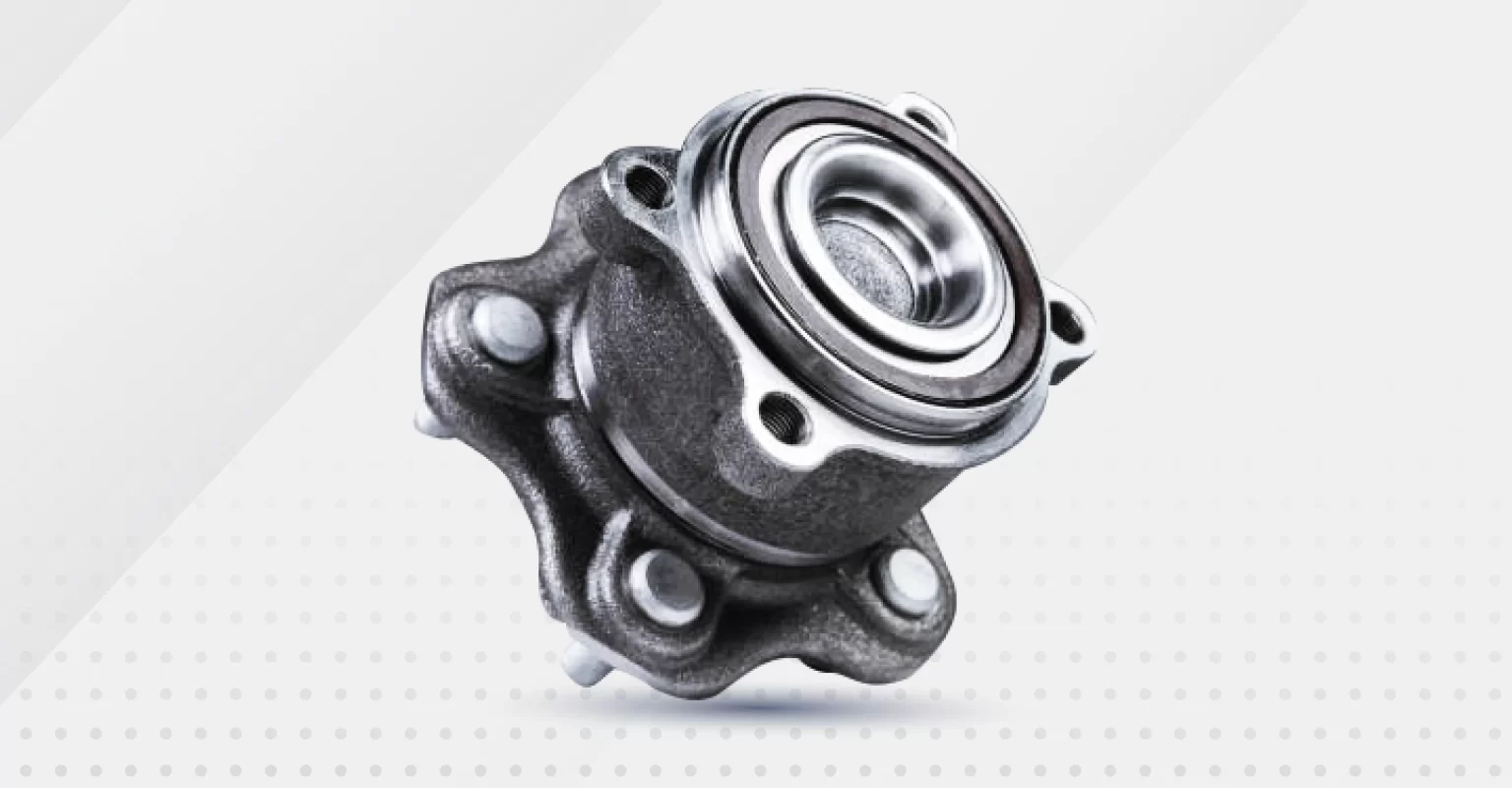
operation. At the heart of the system are the wheel hub, the actual bearings
themselves, and the supporting structure holding everything tightly into place.
The wheel hub provides the centre point of contact, while the bearings are what
allow the smooth and frictionless rotation of that hub. This whole system takes
the weight of the vehicle onto its wheels and enables controlled motion.
Symptoms
Diagnoses of Failing Bearings
Worn-out bearings make excessive heat
and friction, which show distinct symptoms that you cannot overlook. Generally,
the most common symptom is noise, typically in the form of growling, humming,
or roaring, and often increases with the rise in vehicle speed. When there's
weight transfer across a failing component due to turning, the pitch of this
noise commonly changes. Beyond acoustics, loose or excessive play might be felt
when shaking a wheel assembly vertically and horizontally while raising the
car. Sometimes, extreme failure causes a pulsing sensation through either the
steering wheel or the brake pedal.
The
Critical Role of Proper Torque Specifications
The installation of a new component
correctly requires attention to detail, not brute force. If you are working
with a pressed unit, then you'll either need to use a hydraulic press or a
dedicated bearing press tool. Never hit the component directly with a hammer or
impact tools because that transmits shock waves through an assembly and
destroys the internal rolling elements. It's an amateur mistake that will
surely give your new part a very short life. Among the most critical steps is
getting the right torque specification. From the axle nut right down to the
caliper bracket bolts, every fastener has its own needed torque number, given
by the manufacturer. This adjustment of the axle nut sets pre-load on the Wheel
bearings, which becomes important for both their functioning and life
expectancy. Too loose, you have movement; too tight, you have excessive
friction.
Final
Assembly and Verification after Installation
Once this is together, you need to
check your work before hitting the road. Reattach the brake rotor and caliper,
taking care that the brake hose isn't kinked or twisted in its new position. Tighten
the caliper bolts and guide pin bolts, adding thread-locking compound where
called for to help keep them from coming loose due to vibration. Now, lower the
vehicle and pump the brake pedal several times to recharge the pressure in the
brake system. If you don't do so, you can expect quite an unpleasant surprise
on that first drive. Take it out for a quick, slow drive on a safe area. Listen
carefully; the humming, grinding, or growling noise should be completely gone.
For the best long-term results, avoid hard braking and aggressive cornering for
the first 100 kilometres. This gentle break-in period allows the internal
grease to fully disperse and settle in the Wheel
bearings for maximum life. Performing this repair yourself-with
professional level concern-continues to increase your car's safety and prolongs
its life.


Comments