Why Twitter Became X | The Story Behind Elon Musks Bold Rebrand
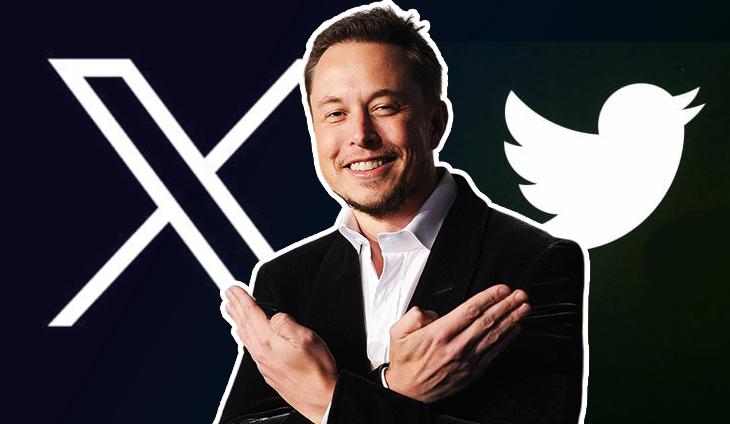
The social media world was shaken when Twitter, the platform that once
defined online conversation, transformed into “X.” This rebrand was not just a
cosmetic change but a strategic pivot that reflects Elon Musk’s ambitious
vision for the platform. Understanding why Twitter became X requires a deep
dive into the history of Twitter, Musk’s management style, and the broader
implications for social media users and brands.
The Legacy of Twitter

Twitter has long been more than just a social
media platform. Founded in 2006, it quickly became the go-to space for
real-time news, celebrity interactions, political commentary, and global
conversations. The platform’s hallmark was its simplicity—a 280-character limit
encouraged concise and impactful messaging. Businesses and influencers alike
embraced it as a vital social media management tool to connect with audiences
and track trends.
However, over the years, Twitter faced
challenges: user growth plateaued, misinformation spread, and monetization
strategies struggled to keep pace with competitors like Instagram, TikTok, and
Facebook. Despite its iconic brand, the platform was in need of reinvention.
Enter Elon Musk: A Visionary Disruptor
When Elon Musk acquired Twitter in late 2022,
speculation about the platform’s future began almost immediately. Musk, known
for his work with Tesla and SpaceX, has a reputation for bold, sometimes
controversial decisions. His takeover signaled a potential overhaul, but few
could predict the extent of the changes.
One of Musk’s primary goals was to transform
Twitter into an “everything app,” inspired by platforms like China’s WeChat,
which combine messaging, social networking, payments, and more under a single
ecosystem. This ambition hinted at a future far beyond short messages and viral
tweets.
Why Twitter Became X

The shift from Twitter to X represents more
than just a logo swap. Here are the key reasons behind the rebrand:
1. A New Identity for a New Era
Twitter had built its identity around
simplicity and immediacy, but Musk envisioned a platform that could host far
more diverse services. By renaming Twitter to X, he created a blank slate—one
that allows the platform to evolve beyond its original constraints. The letter
X symbolizes experimentation, innovation, and a break from traditional social
media norms.
2. Alignment With Musk’s Vision
Elon Musk has a history of using “X” in his
ventures, including SpaceX and X.com (the precursor to PayPal). Rebranding
Twitter to X ties the platform directly to Musk’s broader portfolio and
futuristic vision. It signals to the world that this is no longer the Twitter
we once knew—it’s an experimental hub for digital innovation.
3. Expansion Beyond Social Media
One of the biggest hints about the
transformation lies in Musk’s goal for X to become an all-encompassing
platform. The idea is to integrate social networking, financial services, and
even AI-driven features. By moving away from the Twitter name, Musk positions X
to compete not just as a social media management tool but as a multifunctional
app with global reach.
4. Marketing and Brand Differentiation
The rebrand also serves as a marketing
strategy. In an era where tech brands are defined by innovation, the boldness
of renaming Twitter grabs headlines and sparks conversation. It’s a disruptive
move designed to create curiosity, attract investors, and redefine public
perception of what the platform can achieve.
The Impact on Users
For regular users and social media managers,
the shift to X has practical and psychological effects. The user interface,
features, and engagement strategies are evolving, which means individuals and
businesses must adapt. Social media management tools, like Turrboo, can help
brands navigate this transformation by providing analytics, scheduling, and
engagement insights for the newly rebranded platform.
Adjusting to the New Platform
Users will notice both cosmetic and functional
changes:
·
Visual
Identity: The familiar blue bird is gone, replaced with minimalist X
branding.
·
Content
Diversity: Posts may now include expanded formats, financial
transactions, and other integrated features.
·
User
Engagement: Algorithms and monetization models are being revamped,
impacting reach and visibility.
Opportunities for Brands
For marketers and businesses, X offers
opportunities to leverage new tools and features. As the platform broadens
beyond microblogging, brands can explore integrated campaigns, financial
services, and AI-driven audience targeting. Social media management tools like
Turrboo can be essential for staying ahead, enabling businesses to track
engagement metrics and optimize content in a rapidly changing environment.
Criticism and Controversy
Not all reactions have been positive. Longtime
Twitter users expressed nostalgia for the original platform, while critics
questioned whether the rebrand might alienate loyal audiences. Additionally,
Musk’s frequent changes to moderation policies, subscription models, and
verification systems have created uncertainty about the platform’s stability.
Despite these challenges, the X rebrand
reflects Musk’s willingness to take risks—a hallmark of his career. He is
betting that bold change will pay off in the long run, and only time will tell
if users embrace this new vision.
The Future of X
The transformation from Twitter to X signals a
broader trend in social media: platforms must constantly evolve or risk
obsolescence. By shifting toward an all-in-one ecosystem, X could redefine how
we interact online, combining social networking, commerce, and technology in
ways previously unimaginable.
For users, staying informed and adaptable is
key. Tools like Turrboo are becoming more essential as brands and influencers
navigate these new dynamics. The future of X will depend on how well it
balances innovation with the core values that made Twitter iconic—speed,
accessibility, and the power of global conversation.
Conclusion
The question of why Twitter became X boils
down to vision, innovation, and the desire to create a platform that transcends
traditional social media. Elon Musk’s bold rebrand is a high-stakes move that
seeks to redefine the digital landscape. While it has sparked debate and
uncertainty, it also opens doors to new possibilities for users, businesses,
and the tech industry at large.
As X evolves, it will challenge our
understanding of social networking, forcing us to reconsider how we connect,
communicate, and engage in the digital world. Brands and individuals who
embrace these changes—and leverage smart social media management tools like
Turrboo—will be best positioned to thrive in this new era.
FAQs
1. Why
did Elon Musk rename Twitter to X?
The rebrand aligns with Musk’s vision of creating an all-in-one platform that
goes beyond social media.
2. What
does the X in X symbolize?
X represents experimentation, innovation, and a departure from traditional
social media norms.
3. How
will X affect social media management?
New features and formats mean businesses may need tools like Turrboo to manage
content, engagement, and analytics efficiently.
4. Will
existing Twitter accounts be affected by the rebrand?
Yes, accounts have been migrated to X, but users may notice changes in
branding, interface, and functionality.
5. Is X
still a social media platform or something more?
X is evolving into a multifunctional platform, combining social networking,
financial services, and other digital tools.


Comments