India Travel Guide for Motorcycle Tourists
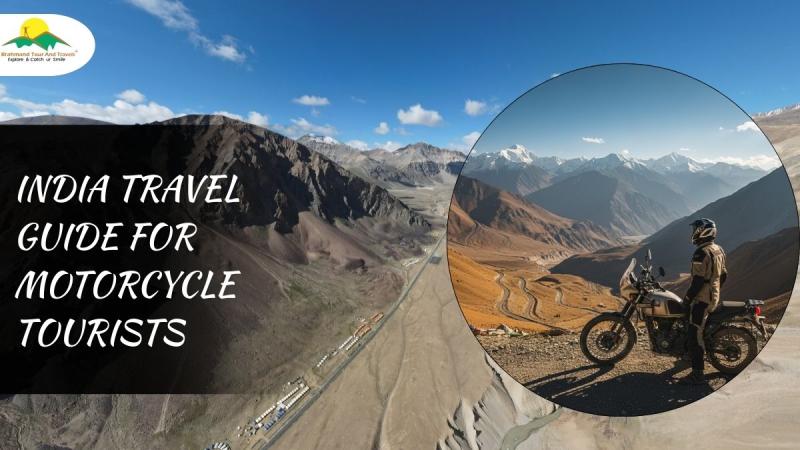
India is often described as a sensory overload, but for a motorcycle enthusiast, it is the ultimate frontier. From the world’s highest motorable passes in the Himalayas to the golden sands of the Thar Desert and the tropical coastlines of the South, the country offers a diversity of terrain that few other places can match.
If you are planning your first two-wheeled adventure in the subcontinent, this guide covers everything you need to know to ensure your journey is safe, legal, and unforgettable.
Essential Legal Requirements and Paperwork
Before you even touch a handlebar, you must ensure your paperwork is in order. India is strict about documentation for foreign riders.
International Driving Permit (IDP): You cannot legally ride in India with just your home country’s license. You must carry an IDP along with your original license.
Tourist Visa: Most foreigners enter on an e-Tourist Visa. Ensure your visa duration covers your entire planned route, especially if you face weather-related delays in mountainous regions.
Insurance: Standard travel insurance often excludes motorcycling. Ensure your policy specifically covers "riding a motorcycle over 250cc" and includes medical evacuation.
Top Riding Regions in India
India is vast, so it is best to choose a specific circuit based on the season and your skill level.
The Himalayas (Leh, Ladakh, and Spiti)
This is the "Holy Grail" for adventure riders. The season runs from June to September. You will encounter high-altitude passes like Khardung La and Tanglang La. The roads vary from smooth tarmac to river crossings and gravel paths.
Rajasthan (The Desert Circuit)
Ideal for winter riding (November to February), Rajasthan offers flat, well-paved highways connecting historic forts and palaces. It is less physically demanding than the Himalayas but offers incredible cultural immersion.
South India (The Western Ghats)
For those who love curves and greenery, the routes through Kerala, Karnataka, and Tamil Nadu are perfect. You’ll ride through tea plantations, spice gardens, and dense rainforests.
Suggested Read: From Where to Begin your Motorcycle Tour in India?
How to Choose Motorbike Tours in India
For many international travelers, joining an organized group is the most efficient way to navigate the logistical complexities of the country. Motorbike tours in India typically provide a lead rider, a mechanic, and a "sweep" vehicle to carry your heavy luggage and spare parts. This allows you to focus entirely on the scenery and the riding experience rather than worrying about a breakdown in a remote area or finding a hotel in a town where English might not be widely spoken.
Selecting the Right Motorcycle
While India’s motorcycle market is growing, one brand remains the undisputed king of the road: Royal Enfield.
Royal Enfield Himalayan: Specifically designed for the rugged terrain of the North. It is lightweight, has great suspension travel, and is easy to handle on unpaved roads.
Royal Enfield Classic/Bullet 500: The iconic choice for a vintage feel. It’s better suited for the flatter plains of Rajasthan or the coastal roads of the South.
KTM Adventure Series: Increasingly available for rent in major cities for those who prefer modern tech and more horsepower.
Safety and Road Etiquette
Riding in India is unlike riding in Europe or North America. The "Right of Way" is generally determined by the size of the vehicle.
Expect the Unexpected: Cows, goats, and pedestrians often cross highways without warning.
The Horn is a Tool: In the West, a horn is a sign of anger. In India, it is a polite way of saying "I am here" or "I am overtaking." Use it frequently.
Avoid Night Riding: Road lighting is often poor, and many trucks drive with high beams or no lights at all. Pot-holes and road debris are also much harder to spot after sunset.
Finding the Best International Tour Operators in India
If you prefer a premium experience with high safety standards and Western-style logistics, you should look for the best international tour operators in india. These companies often bridge the gap between local knowledge and international expectations. They usually provide newer bike models, high-quality riding gear for rent, and stays in hand-picked boutique hotels or luxury campsites. Researching reviews on platforms like TripAdvisor or specialized riding forums will help you identify operators who prioritize rider safety and environmental responsibility.
Packing Essentials for the Indian Road
Packing light is key, but there are some non-negotiables:
Hydration Bladder: Dehydration happens fast, especially in the desert or at high altitudes.
Portable Air Pump and Patch Kit: If you are riding solo, being able to fix a puncture is a vital skill.
Universal Power Adapter: India uses Type C, D, and M plugs.
Physical Maps: GPS can be unreliable in deep Himalayan valleys or remote rural areas. Always carry a physical map of your route.
Cultural Sensitivities and Interaction
One of the highlights of riding through India is the people. You will find that locals are incredibly curious and friendly. When you stop for "Chai" (tea) at a roadside stall, expect to be asked about your bike, your country, and your journey. Being patient and having a few photos of your family back home to show can lead to some of the most heart-warming experiences of your trip.
Conclusion
Motorcycling through India is not just a holiday; it is a test of character and a feast for the soul. Whether you are battling the thin air of the Himalayas or cruising past the colorful markets of Jaipur, the sense of freedom is unparalleled. By preparing your documents, choosing the right route, and respecting the local road culture, you are set for the adventure of a lifetime.

Post Your Ad Here
Comments