How to Choose the Right Managed Hosting for WordPress Multisite
Managing one WordPress site is simple. Managing twenty, fifty, or a hundred client sites is not.
Agencies that run WordPress multisite learn this quickly. What looks efficient on paper can turn fragile if the hosting layer is not built for shared infrastructure, uneven traffic, and constant change.
Choosing managed hosting for WordPress multisite is less about features and more about reducing risk. The wrong setup creates performance bottlenecks, limits growth, and turns small issues into network-wide problems. The right one gives your team room to work without constantly worrying about the foundation.
This guide breaks down how agencies should think about managed hosting for WordPress multisite, what actually matters day to day, and which providers tend to support real agency workflows.
What WordPress Multisite Actually Changes for Hosting Decisions
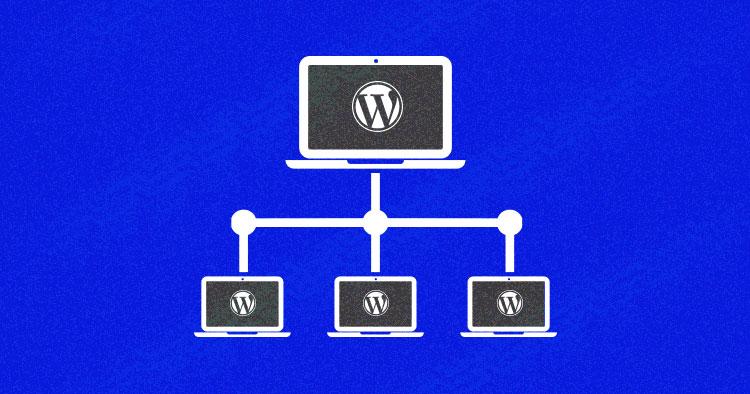
WordPress multisite hosting is not just “many sites on one install.” It changes how traffic, updates, storage, and failures behave.
All sites share:
One core WordPress installation
One database (with shared tables)
One server environment
That shared structure is the strength and the risk.
When one client site spikes traffic, it affects others. When a plugin update goes wrong, it can break the whole network. When backups fail, recovery is more complicated than restoring a single site.
This is why traditional shared hosting or basic managed WordPress hosting often falls apart at scale. Multisite needs hosting that understands shared load, controlled updates, and predictable recovery.
Why Agencies Choose Managed Hosting for Multisite
Agencies rarely choose managed hosting because it is “easier.” They choose it because unmanaged environments slow teams down.
With WordPress multisite, managed hosting removes several operational burdens:
Server maintenance and patching
Security updates at the OS level
Performance tuning for PHP, MySQL, and caching
Reliable backups and restores
This matters when your team is already balancing client requests, deployments, and support tickets.
Managed hosting does not eliminate problems, but it shortens recovery time and reduces how often small issues turn into emergencies.
The Agency-Specific Problems Hosting Must Solve
Before comparing providers, it helps to be clear about the problems agencies actually face with multisite.
Uneven Traffic Across Client Sites
In a multisite network, traffic is never evenly distributed. One client launches a campaign. Another gets featured in the press. A third stays quiet all month.
Hosting needs to absorb these spikes without forcing you to separate sites or upgrade the entire server unnecessarily.
Network-Wide Updates and Testing
Agencies update plugins, themes, and WordPress core more often than individual site owners. In multisite, those updates affect everyone.
Without proper staging and backups, updates become risky. Teams delay them, which creates security issues later.
Team Access and Responsibility
Multiple developers, content managers, and account managers touch the same network. Hosting needs to support this reality with safe environments, not shared credentials and manual processes.
Beyond infrastructure access, agencies often face similar coordination challenges on the creative side of multisite networks. Insights shared by Superside highlight that when dozens of sites share a single WordPress environment, managing design updates, brand consistency and visual design across the network becomes an operational concern, not just a creative one. This is especially relevant for agencies maintaining multisite setups for multiple client brands under shared technical constraints.
Recovery Time Matters More Than Uptime
Perfect uptime is nice, but fast recovery is more important. When something breaks, agencies care about how quickly they can roll back and restore service without affecting every client.
What “Managed” Should Mean for WordPress Multisite
Not all managed hosting is built with multisite in mind. For agencies, managed should mean a few specific things.
Predictable Performance Under Load
The hosting platform should handle concurrent traffic across multiple sites without sudden slowdowns. This usually requires proper caching layers, optimized databases, and enough server resources to handle peaks.
Safe Staging for Network Changes
You should be able to test plugin updates, PHP version changes, and theme adjustments without touching production. This is critical for multisite, where one change can cascade.
Reliable Backups With Fast Restores
Backups should be automatic, frequent, and easy to restore. Restoring a multisite network should not feel like a manual rescue operation.
Support That Understands Multisite
This is often overlooked. Multisite issues are different from single-site issues. Support teams need to understand shared tables, domain mapping, and network behavior to be useful.
Scaling Multisite Without Rebuilding Everything
One of the biggest mistakes agencies make is choosing hosting that works for today’s network but not tomorrow’s.
Multisite networks grow in unpredictable ways:
New client sites added monthly
Existing sites increasing traffic
More plugins introduced over time
Good managed hosting allows you to scale resources without migrating, re-architecting, or splitting the network prematurely.
This is less about raw power and more about flexibility.
Security in a Shared Environment
Multisite security is different. A compromised site can expose the entire network if isolation is weak.
Managed hosting should provide:
Server-level firewalls
Malware scanning
Protection against brute force attacks
Clear separation between application and server responsibilities
Agencies benefit when security is handled quietly in the background, not introduced as another tool to manage.
Backup and Recovery From an Agency Perspective
Backups are only useful if restores are fast and predictable.
For agencies, this means:
Knowing exactly when backups run
Being able to restore without downtime chaos
Testing restores occasionally
Multisite backups can be large and complex. Hosting that simplifies this process reduces stress during real incidents.
Managed Hosting Providers Agencies Commonly Use for WordPress Multisite
Different agencies value different tradeoffs. These three platforms show up often because they support multisite in practical ways.
Cloudways
Cloudways appeals to agencies that want flexibility without running their own infrastructure.
For WordPress multisite, Cloudways handles the operational layer while leaving room to adjust server resources as the network grows. Agencies can scale CPU, RAM, and storage without migrating the multisite or restructuring domains.
Staging environments make it safer to test network-wide updates. Built-in backups and quick restores reduce downtime risk. Performance optimizations like caching and server tuning help prevent one client site from overwhelming the network.
The quiet advantage for agencies is control without overhead. Teams can make adjustments when needed but are not responsible for maintaining the entire stack.
WP Engine
WP Engine works well for agencies that prefer consistency and guardrails.
Multisite environments benefit from WP Engine’s controlled infrastructure. Updates, security, and caching are handled in a standardized way. This reduces variability across client sites and makes behavior more predictable.
Agencies running similar site types across a network often value this stability. Staging and backups are reliable, and support teams understand multisite configurations.
The tradeoff is reduced flexibility at the server level. For many agencies, that is acceptable if it means fewer surprises.
Kinsta
Kinsta is often chosen when performance expectations are strict.
Its infrastructure handles concurrent traffic well, which matters when multiple sites are active at once. For multisite networks with content heavy sites or high traffic bursts, this stability helps prevent slowdowns.
Kinsta’s approach minimizes manual tuning. Caching, performance optimization, and CDN integration are largely handled automatically. This reduces the operational load on agency teams.
Agencies that value predictable performance over customization often find this approach fits their workflow.
Cost Considerations for Multisite Hosting
Pricing for managed multisite hosting is rarely straightforward.
Agencies should look beyond base pricing and consider:
Cost of scaling resources
Limits on visits or bandwidth
Charges for staging or backups
Support responsiveness
Cheaper hosting becomes expensive when teams lose time troubleshooting issues or migrating later.
When Multisite Stops Making Sense
Not every agency should use multisite forever.
If client needs diverge significantly, or if performance requirements vary widely, separating sites may eventually make sense. Good hosting allows you to delay that decision rather than forcing it early.
Managed hosting that supports growth gives agencies time to decide based on strategy, not limitations.
Making the Decision Without Overthinking It
Choosing managed hosting for WordPress multisite does not require finding a perfect platform. It requires finding one that matches how your agency works.
Ask practical questions:
How often do we deploy updates?
How much traffic variability do we see?
How important is server-level control?
How quickly do we need to recover from mistakes?
The answers usually point clearly to the right category of hosting.
Final Thoughts
WordPress multisite can be a powerful foundation for agencies, but only if the hosting supports the reality of shared infrastructure and constant change.
Managed hosting is not about convenience. It is about reducing operational risk, protecting client relationships, and giving teams space to work without fighting the platform.
When hosting quietly does its job, agencies can focus on strategy, delivery, and growth. That is the real measure of a good multisite setup.
Post Your Ad Here