5 Ways Buying a New Construction Home Saves You Money
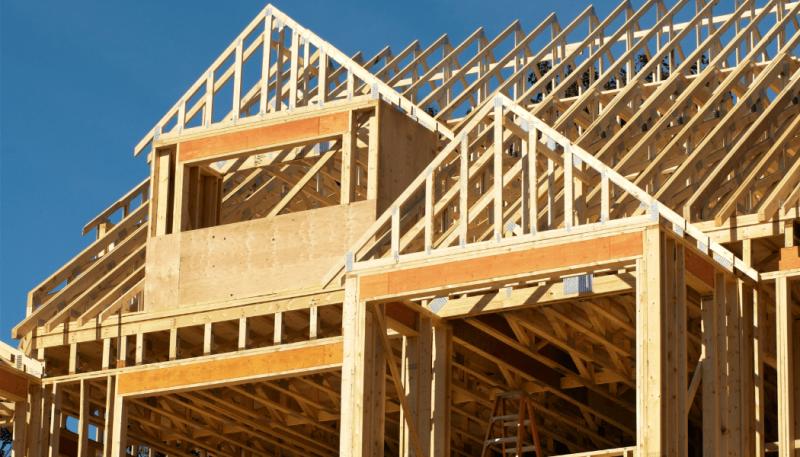
There is a common assumption in real estate that buying an existing home is the smart financial move, while building new is a luxury reserved for those with extra cash to burn. On the surface, the math seems to support this. If you look at a 20-year-old house next to a brand-new build in the same zip code, the older home often has a lower listing price. But the listing price is just the cover charge. It gets you in the door, but it doesn't tell you what the night is going to cost you.
The reality of homeownership is that the purchase price is only a fraction of the financial picture. The true cost of a home is what you pay to keep it running, heated, cooled, and standing upright month after month. When you factor in the hidden costs of maintenance, energy inefficiency, and inevitable repairs, the math often flips entirely.
For many buyers, purchasing a new construction home is actually the most effective way to protect their monthly budget. It transforms a variable, unpredictable expense (an old house) into a fixed, predictable asset. If you are debating between a fixer-upper and a fresh build, here is a look at why new might actually be the bargain you are looking for.
1. The Energy Efficiency Dividend
We all complain about utility bills, but we rarely treat them like what they are: a second mortgage. A home built in 1990—or even 2010—was constructed under entirely different building codes than a home built today. Energy standards have tightened drastically.
A new home is essentially a sealed envelope. It features high-performance windows that actually block UV rays and heat transfer. It has spray foam or high-grade insulation that prevents drafts. Most importantly, it comes equipped with a modern HVAC system with a high SEER rating.
An older home, by comparison, is often breathing. You are paying to heat the attic and cool the backyard through leaky seals. The difference in monthly utility costs between a new build and a resale home can easily be hundreds of dollars. Over the course of a 30-year mortgage, that adds up to tens of thousands of dollars in pure savings that stay in your pocket rather than going to the electric company.
2. Avoiding the Money Pit
In the real estate investment world, there is a term called "CapEx" (Capital Expenditures). These are the big-ticket items: the roof, the water heater, the HVAC unit, and the appliances.
When you buy a used home, you are inheriting the previous owner’s CapEx timeline.
The roof might have five years left.
The water heater might be a ticking time bomb.
The furnace might be on its last leg.
In a resale home, it is not a matter of if these things will break, but when. And they usually break in clusters.
In a new construction home, everything is brand new. The roof has a 20 or 30-year warranty. The appliances are under the manufacturer's warranty. For the first decade of your life in that home, your major repair budget is effectively zero. This predictability allows you to save money for other goals—like retirement or college funds—rather than hoarding cash for an emergency plumber.
3. The Insurance Advantage
This is a factor that almost no one thinks about until they are sitting in the closing office looking at the settlement statement. Homeowners insurance rates are rising across the country, and older homes are increasingly expensive to insure.
Insurance companies are essentially betting on the likelihood of your house having a claim. An older home with 20-year-old wiring, older plumbing pipes (like galvanized steel or polybutylene), and an older roof represents a high risk. There is a higher chance of an electrical fire or a burst pipe.
A new construction home is the lowest possible risk for an insurer. It meets the absolute latest safety codes. It has modern circuit breakers, PEX or copper plumbing, and fire-retardant materials. Because the risk is lower, the premiums are significantly lower. That is another monthly saving that compounds over the life of the loan.
4. Avoiding the Renovation Markup
Unless you buy a true fixer-upper at a steep discount, you are likely paying a premium for someone else’s taste in a resale home.
If you buy a used home, you are paying for the kitchen the previous owner installed five years ago. If you don't like it, you have to pay again to rip it out and replace it. This is double-spending.
With new construction, you are paying for exactly what you want, once. There is no demolition cost. There is no living in a construction zone hassle. You aren't paying for a newly renovated bathroom that was done cheaply just to sell the house. You are getting the finishes, the layout, and the colors you want from day one. You are investing your money into materials, not into the labor of undoing someone else's work.
5. Builder Incentives and Financing
Finally, there is the financing environment. In a market with fluctuating interest rates, builders have a massive advantage over private sellers: they have volume.
A private seller can lower the price of their home, but they cannot change the interest rate on your loan. A builder often can. Many large-scale builders have affiliated mortgage companies or partnerships that allow them to offer aggressive incentives to move inventory.
It is very common for builders to offer rate buydowns—where they pay a lump sum upfront to lower your interest rate by 1% or 2% for the first few years (or permanently). They might also cover all of your closing costs.
A lower interest rate saves you significantly more money over the life of the loan than a slightly lower purchase price on a used home. When you run the numbers on the monthly payment, a $500,000 new home with a rate buydown is often cheaper per month than a $480,000 used home at the standard market rate.
The Long Game
Buying a home is the biggest purchase you will ever make. It is easy to get fixated on the listing price, but smart buyers look at the total cost of ownership.
When you strip away the romance of the charming older home and look at the cold, hard numbers of energy, maintenance, insurance, and interest, the new home often emerges as the clear financial winner. It isn't just a place to live; it is a financial fortress that protects your income from the unexpected surprises of homeownership.
Post Your Ad Here
Comments