How Manufacturing Metrology Ensures Precision in Production
In today’s manufacturing world, producing high-quality parts with minimal errors is more important than ever. This is where manufacturing metrology comes into play. Metrology, the science of measurement, is essential for ensuring precision in production. By providing accurate measurements and data, it helps manufacturers maintain quality, reduce waste, and improve overall efficiency.
What is Manufacturing Metrology?
Manufacturing metrology refers to the tools, techniques, and systems used to measure and monitor manufacturing processes. It is not just about checking parts after they are made; it involves measuring and controlling every stage of production. From machine calibration to part inspection, metrology ensures that everything meets strict quality standards.
Traditionally, metrology relied on physical instruments such as gauges, calipers, and coordinate measuring machines (CMMs). However, with modern technology, software-based and digital metrology systems are now widely used. These systems can integrate directly with CNC machines and automated production lines, allowing manufacturers to achieve higher accuracy with less human intervention.
Pre-Production Advantages
One of the first areas where manufacturing metrology proves its value is before production begins. Accurate measurements during setup can prevent errors later in the process.
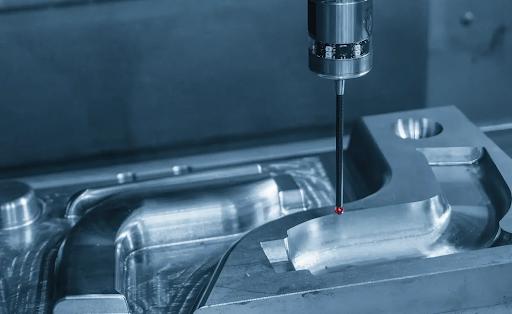
For example, CNC machine probes can measure the position of tools and workpieces to micron-level accuracy. Calibration tools ensure these probes are functioning correctly, reducing the risk of mistakes in part machining. Metrology software can also check if CNC machines are performing within the required tolerances. This helps identify issues caused by machine wear, temperature changes, or previous crashes before production even starts.
By using metrology early, manufacturers can save time, reduce scrap, and ensure that the production process is smooth and precise.
In-Process Benefits
Manufacturing metrology doesn’t stop at setup. It also plays a critical role during production. Modern metrology systems can inspect parts while they are still on the machine. This real-time measurement allows for immediate corrections if a part is out of tolerance.
Using CNC touch probes and metrology software, manufacturers can measure, align, and adjust parts automatically. This reduces the need for manual inspection and allows machines to run unattended for longer periods, also known as “lights-out” production. Real-time data from metrology systems ensures every part is produced accurately, minimizing errors and maintaining high standards throughout the process.
Post-Production Inspection
After production, manufacturing metrology is essential for final quality checks. Traditional CMMs and laser inspection systems can verify that parts meet specifications. Advanced metrology now allows inspection on the machine itself, saving time and increasing safety.
For large or complex parts that cannot fit into conventional inspection equipment, in-machine metrology ensures they are measured accurately. This approach provides complete traceability, meaning every part has a documented measurement history.
Key Benefits of Manufacturing Metrology
Automation – Integrated metrology systems communicate with machines and controllers to enable automated production.
Flexibility – Standardized measurement processes can be applied across different parts.
Reduced Scrap – Early detection of errors reduces wasted materials and improves yield.
Maximized Equipment Use – Less downtime for setup and calibration allows machines to run longer and more efficiently.
Traceability – Digital metrology provides reports for every stage of production, ensuring transparency and accountability.
Conclusion
Manufacturing metrology is no longer just a quality check at the end of production; it is a critical part of the entire manufacturing process. From pre-production setup to in-process monitoring and final inspection, it ensures precision, efficiency, and high-quality outcomes. For industries producing high-value, high-tolerance parts, such as aerospace, automotive, and electronics, integrating metrology into production is essential.
By adopting manufacturing metrology, manufacturers can reduce errors, increase efficiency, and deliver products that consistently meet strict standards. Precision in production is no longer a goal—it’s a measurable reality.
Post Your Ad Here
Comments