Uber for Handyman App Development: Everything You Need to Know
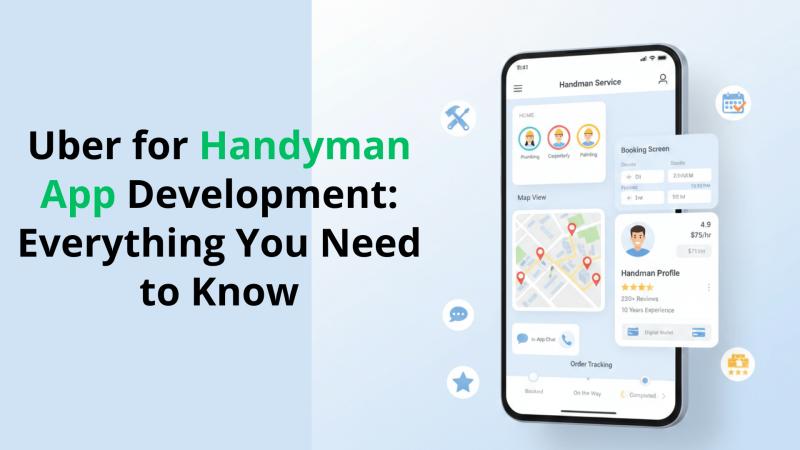
In today's fast-paced world, the demand for on-demand services has surged, and handyman services are no exception. As homeowners and businesses seek convenience and quick solutions for their maintenance and repair needs, the concept of an "Uber for handyman" app has gained traction.
This article explores everything you need to know about developing a handyman app, from understanding the market and essential features to navigating the development process and implementing effective marketing strategies. Whether you're looking to build a startup or enhance your existing service, this comprehensive guide will equip you with valuable insights into creating a successful on-demand handyman platform.
Understanding the Concept of On-Demand Handyman Services
Defining On-Demand Services
On-demand services are all about convenience. Think of it as summoning help with just a tap on your smartphone—like a magic wand, but without the wand or the magical transportation. In this context, on-demand handyman services connect users with skilled professionals who can tackle a variety of home repairs or installations at the drop of a hat (or a broken sink). Whether it’s a broken cabinet or a wobbly table, these services aim to provide quick, efficient, and reliable solutions right when you need them.
The Evolution of Handyman Services
Gone are the days of flipping through the Yellow Pages or hoping your neighbor knows a guy. The handyman industry has evolved faster than a DIY enthusiast at a hardware store sale! With the rise of technology, on-demand services have made their mark. Today, you can book a handyman in a matter of minutes, browse through customer reviews, and track their arrival in real-time. From local handymen to specialized gigs, the evolution reflects a broader trend toward efficiency and accessibility.
Benefits of Using an On-Demand Platform
Using an on-demand platform for handyman services comes with perks galore! For starters, you get instant access to a pool of vetted professionals—no more guessing if the guy fixing your plumbing is actually competent. Convenience is another big winner; you can book services anytime, anywhere, and often get same-day support. Plus, with transparent pricing and user reviews, you can make informed decisions without the risk of becoming part of some cautionary tale about bad hires.
Key Features of an Uber-Like Handyman App
User Interface and Experience
A clean and intuitive user interface is crucial—nobody wants to decipher a complicated app while chasing after a leaky faucet. The design should be user-friendly, making it easy for anyone (even your technologically challenged uncle) to navigate. Quick access to features like booking services, checking profiles, and contacting support should be just a swipe away—after all, we want ease, not a master’s degree in app navigation!
Service Provider Profiles and Ratings
Transparency is key. Users should have access to profiles of service providers, complete with credentials, experience, and customer ratings. Imagine browsing through profiles like you're shopping for the perfect avocado—only this time, you want to know if the handyman can actually handle your home repair without leaving behind a trail of chaos. A well-structured rating system helps users make informed choices based on past experiences.
Booking and Scheduling Functionality
Never underestimate the importance of a seamless booking experience. Users should be able to schedule their handyman visits with the fervor of booking concert tickets—quick and painless. Features like calendar integration help users find the best time slot for that mounting list of repairs. Plus, offering options for urgent requests can be the cherry on top for those “oh no!” moments.
Payment Integration Options
Flexible payment options are a must! Whether it's credit cards, digital wallets, or even cash for those who are still attached to their wallets, the app should cater to all preferences. Offering secure and easy payment processing enhances trust and makes the transaction smoother—like a well-oiled tool in a handyman’s belt.
Real-Time Tracking and Notifications
Real-time tracking transforms the experience from "Where is my handyman?" to "Ah, he’s two blocks away!" Users should receive timely notifications about their service provider's status, allowing them to prepare without feeling like they're in a suspense thriller. This feature not only cuts down on anxiety but also helps users plan their day better.
Market Analysis: Demand for Handyman Services
Current Market Trends
In recent years, on-demand handyman services have exploded like popcorn in a hot pan. With busy lifestyles and the ever-increasing demand for convenience, the trend shows no signs of slowing down. The gig economy's growth has paved the way for more individuals to enter the handyman field, creating a competitive landscape filled with opportunities. And let’s be real—who doesn’t want an easy fix for their home maintenance woes?
Target Audience and User Demographics
Understanding your target audience is key to a successful app. Typically, the users range from busy professionals and families juggling kids and careers to the elderly who might need an extra hand. Each demographic has unique needs, which means your app should cater to a variety of pain points—from quick fixes to more complex tasks. Bonus points if your marketing can charm both the millennials and baby boomers!
Competitor Analysis
In the race for handyman app dominance, knowing who your competitors are can give you a serious edge. With players like TaskRabbit and HomeAdvisor in the mix, it’s important to evaluate what they offer and identify gaps in their services. Is there a niche market they’re ignoring? Figure that out, and you can swoop in like your friendly neighborhood handyman, ready to save the day (and the paycheck).
Development Process: From Idea to Launch
Initial Planning and Research
Before you dive in headfirst, take a moment to strategize. Conducting thorough market research, identifying key features, and understanding user expectations is essential. Create a detailed plan that outlines your vision, objectives, and the resources needed. It’s like laying the foundation before building the grand mansion—nobody wants their app to crumble like a poorly built shelf!
Prototyping and Wireframing
This phase is where ideas start to take shape. Prototyping and wireframing are vital for turning your thoughts into something tangible. Think of it as crafting a blueprint for your app. User testing at this stage helps refine functionality, design, and user experience—ensuring that everything flows smoothly when it’s time for the big reveal.
App Development Phases
Once the planning and prototyping are in the bag, it’s time to roll up those sleeves and get into the nitty-gritty of development. This phase typically involves backend coding, frontend design, and integrating APIs. It’s like bringing together various tools—each playing a crucial role in building a sturdy and user-friendly app that serves its purpose.
Testing and Quality Assurance
A solid app is only as good as the testing behind it. Rigorous quality assurance ensures that bugs are squashed and features function seamlessly. This phase often includes beta testing with real users, who can provide invaluable feedback. Think of it as a dress rehearsal before the main event, allowing you to fine-tune your app to perfection.
Launch and Post-Launch Activities
Finally, the moment of truth arrives! Launching your app is like hosting a grand opening for a new handyman service, complete with confetti (or at least a virtual cheer). Post-launch activities include monitoring user feedback, rolling out updates, and marketing your app to reach potential users.
Technology Stack for Building a Handyman App
Frontend Technologies
To keep your users from throwing their phones across the room in frustration, a seamless and visually appealing interface is key. Consider using React Native or Flutter for cross-platform compatibility—because who wants to develop separately for iOS and Android? For added flair, sprinkle in some HTML5, CSS3, and JavaScript, which will allow for that smooth user interaction and responsive design that keeps everyone happy.
Backend Technologies
For a handyman app that can handle requests like a pro, you’ll need a solid backend. Node.js or Django can serve as your trusty sidekick, providing the framework for handling user management and service requests. Pair it with an API (like REST or GraphQL) to allow your frontend to communicate without needing to break up with it later.
Database Management
What’s a handyman app without a solid foundation? A good database is vital for storing user info, service history, and maybe even some fun handyman tips. SQL databases like PostgreSQL are reliable, while NoSQL options like MongoDB offer flexibility for handling data without strict schemas. Pick your poison depending on your storage needs and data structure preferences.
Cloud Services and Hosting
When it comes to hosting, you don’t want to skimp—cloud services are the way to go. Platforms like AWS, Google Cloud, or Azure provide scalability because you know demand can spike faster than someone can spill paint. Consider using Docker for containerization, making deployments as easy as pie (or, you know, a well-assembled IKEA shelf).
Monetization Strategies for Your Handyman App
Commission-Based Revenue Model
This tried-and-true model works like magic: charge a commission on each completed job. It’s simple for users to understand and keeps your earnings tied directly to your app’s usage—no hidden fees or awkward conversations. Just think of it as the price of keeping your app running, like paying for coffee to fuel your late-night coding sessions.
Subscription Plans for Users
Offer users a subscription plan for premium services or exclusive discounts. Not only does this create a steady revenue stream, but it also builds customer loyalty—because who doesn’t want access to VIP handyman services that make them feel like a DIY god?
Advertisement and Sponsored Listings
Turn your app into a revenue-generating machine with sponsored listings! Partner with local hardware stores or service providers to showcase their services on your app. It’s like a marketplace where everyone wins—users find the best deals, and vendors get more visibility. Just be sure not to turn your app into a billboard; balance is key!
Marketing and User Acquisition Tactics
Building a Brand Identity
Creating a memorable brand is essential to stand out in the crowded handyman arena. Develop a cool logo and consistent visuals, and don’t forget to define your mission and values. Be the friendly neighborhood handyman app that’s as reliable as your favorite pair of sweatpants.
Digital Marketing Strategies
Your app isn't going to market itself (if only!). Invest in SEO to help users find you when searching for services. Use Google Ads and social media campaigns to get the word out. Remember, content is king, so showcase helpful articles or videos that position you as the go-to expert for handyman needs.
Partnerships and Collaborations
Team up with local businesses to offer package deals or referral bonuses. Collaborations can extend your reach and enhance credibility—plus, nothing says community like supporting your local handyman shop and benefiting from their existing customer base.
Leveraging Social Media
Social media is your friend! Use platforms like Instagram and Facebook to engage with potential users. Share before-and-after photos of repairs, handy tips, or even some humorous memes about DIY disasters. It’s all about connecting with your audience and giving them a reason to share your app with their friends and family.
Future Trends in On-Demand Service Apps
Integration of AI and Machine Learning
The future is here, and it’s smart! Integrating AI can recommend services based on user behavior, predict peak times, and optimize pricing. Imagine an app that knows users' habits better than their best friend does—sounds both amazing and slightly creepy, right?
Expansion of Service Offerings
As the handyman app market matures, consider expanding your service offerings. Beyond basic repairs, think about connecting users with specialized services like landscaping, pest control, or even home cleaning. The more comprehensive the service, the more helpful you become—as long as you maintain quality, of course!
Sustainability and Eco-Friendly Practices
As consumers become more environmentally conscious, consider integrating eco-friendly options into your app. Partner with green service providers and promote sustainability practices within the handyman community. It's a win-win: you attract eco-aware users while doing your part for the planet. Plus, who wouldn’t want to be the ‘green’ handyman app?
As the demand for on-demand handyman services continues to grow, developing a user-friendly and efficient app can position you for success in this competitive market. By understanding the key features, leveraging the right technology, and implementing effective marketing strategies, you can create a platform that meets the needs of both service providers and customers. With careful planning and execution, your handyman app can become a go-to solution for individuals seeking reliable and convenient home services. Embrace the opportunity and take the first steps towards bringing your vision to life.
FAQs
1. How much does it cost to develop an Uber-like handyman app?
The cost of developing a handyman app can vary widely based on features, complexity, and the development team you choose. On average, you can expect to invest anywhere from $20,000 to $100,000 or more, depending on your specific requirements.
2. What are the essential features for a handyman app?
Essential features for a handyman app include user registration and profiles, service provider profiles and ratings, booking and scheduling options, payment integration, real-time tracking, and customer support functionalities.
3. How can I market my handyman app effectively?
Effective marketing strategies for your handyman app include building a strong brand identity, leveraging digital marketing tactics such as SEO and social media, forming partnerships with local businesses, and utilizing referral programs to encourage user acquisition.
4. What technology stack is recommended for building a handyman app?
A recommended technology stack for a handyman app includes frontend technologies like React or Angular, backend frameworks like Node.js or Django, a database management system such as MongoDB or MySQL, and cloud services like AWS or Google Cloud for hosting.

Comments