How Thoughtful Landscaping Design Improves Outdoor Functionality and Visual Balance
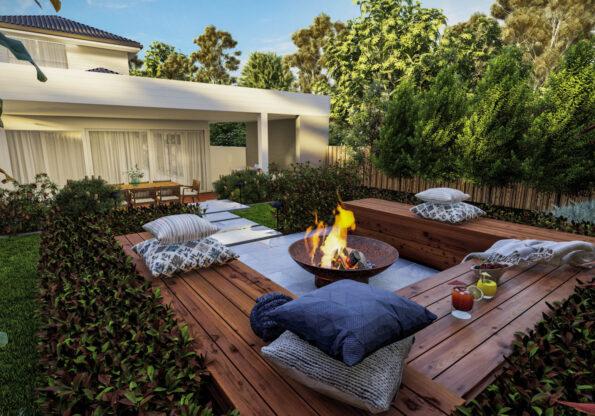
Outdoor spaces play an important role in how a home is experienced on a daily basis. A well-designed yard can support relaxation, entertainment, and practical movement while also contributing to the overall visual harmony of the property. When outdoor areas lack structure or planning, they often feel disconnected, underused, or difficult to maintain.
Thoughtful design helps bridge the gap between aesthetics and function. Instead of focusing only on plants or surface features, successful outdoor planning considers how people move through the space, how areas are used, and how natural elements interact with the environment. This balanced approach creates spaces that feel intentional and easy to enjoy.
Homeowners seeking long-term results often turn to professionals like K-ler Landworks to help bring structure and clarity to their outdoor environments. With a clear plan and strategic landscaping decisions, outdoor spaces can become both visually appealing and highly functional.
The Importance of Planning Before Design
Every successful outdoor project begins with a clear plan. Planning allows homeowners to identify how different areas of the yard will be used and how they should connect with one another. Without this step, features may feel scattered or impractical, limiting the overall effectiveness of the space.
Planning also helps identify potential challenges such as drainage issues, uneven ground, or limited space. Addressing these factors early prevents costly adjustments later and ensures the design works with the natural conditions of the property rather than against them.
A structured plan provides direction for layout, materials, and plant placement, creating a cohesive outdoor environment that feels balanced and purposeful.
Defining Functional Zones Within the Yard
Breaking an outdoor space into defined zones helps improve both usability and flow. Designated areas for seating, walking, gardening, or recreation create clarity and reduce visual clutter. Each zone serves a specific purpose while contributing to the overall layout.
Defined spaces encourage better use of the yard by making it easier to transition from one activity to another. Clear boundaries, whether created through pathways, plant groupings, or elevation changes, help guide movement naturally.
This zoning approach supports efficient landscaping design by ensuring every section of the yard has a role and contributes to the larger vision.
Creating Visual Balance Through Layout
Visual balance is achieved when elements are distributed evenly across the space without overwhelming any single area. This does not require symmetry, but it does require thoughtful placement of features. Large elements such as trees or patios should be balanced by smaller features like shrubs or garden beds.
Balance also involves spacing. Overcrowding plants or features can make a yard feel chaotic, while excessive open space can feel unfinished. A well-balanced layout finds the middle ground, creating comfort and visual appeal.
Through careful planning, landscaping designs can achieve harmony that feels natural and inviting.
Pathways That Improve Movement and Flow
Pathways play a key role in guiding how people move through outdoor areas. Well-placed walkways connect functional zones and prevent unnecessary wear on grass or garden beds. They also create a sense of direction and purpose within the yard.
Paths should follow natural movement patterns rather than forcing sharp or awkward turns. Materials, width, and placement all influence how comfortable and intuitive a path feels.
Thoughtful pathway design improves accessibility while reinforcing the overall structure of the outdoor space.
Plant Placement With Purpose
Plants are more than decorative elements; they help define space, create privacy, and influence how the yard is experienced. Strategic plant placement considers growth patterns, sunlight exposure, and maintenance needs.
Grouping plants with similar requirements supports healthier growth and simplifies care. Taller plants can frame boundaries, while lower plants soften edges and fill open areas.
Purpose-driven landscaping ensures plants enhance both function and appearance rather than becoming obstacles or maintenance challenges.
Integrating Hardscape Elements Effectively
Hardscape features such as patios, steps, and borders provide structure and durability. When integrated thoughtfully, these elements support daily use while complementing natural features.
The key to effective hardscaping is balance. Too much hard surface can feel cold or rigid, while too little may limit functionality. Proper integration allows hardscape elements to enhance comfort without overpowering the design.
Professionally planned installations from K-ler Landworks help ensure hardscape features align with the overall layout and long-term goals of the property.
Enhancing Comfort Through Scale and Proportion
Scale and proportion influence how comfortable a space feels. Oversized features can dominate the yard, while undersized elements may feel insignificant. Matching feature size to yard dimensions creates a more welcoming environment.
Furniture, plant height, and structural elements should feel appropriate to the space they occupy. This attention to proportion helps outdoor areas feel cohesive rather than fragmented.
Balanced landscaping design improves both visual appeal and usability by respecting the natural scale of the property.
Reducing Maintenance Through Smart Design
Functional outdoor spaces should be enjoyable, not burdensome. Smart design reduces long-term maintenance by selecting appropriate materials, efficient layouts, and durable plant choices.
Designing with maintenance in mind helps prevent overgrowth, soil erosion, and excessive watering needs. Clear boundaries and organized layouts also make routine care more manageable.
Thoughtful landscaping planning supports a yard that remains attractive without constant upkeep.
Adapting Design to Lifestyle Needs
Every household uses outdoor space differently. Some prioritize entertainment, while others value quiet relaxation or play areas. Successful design adapts to these lifestyle needs rather than forcing a generic layout.
Flexible spaces allow homeowners to adjust how areas are used over time. This adaptability ensures the yard continues to meet changing needs without major redesigns.
Understanding lifestyle priorities helps guide design decisions that feel personal and practical.
Long-Term Value of a Well-Designed Outdoor Space
A well-planned outdoor environment offers lasting benefits beyond immediate enjoyment. Improved functionality, visual balance, and ease of maintenance all contribute to long-term satisfaction and property value.
When design decisions are made with intention, outdoor spaces remain usable and attractive for years. With expert guidance from K-ler Landworks and a focus on strategic landscaping principles, homeowners can achieve outdoor spaces that feel balanced, functional, and truly connected to the home.
Post Your Ad Here
Comments