Improving thermal reliability with high-tech hot water coils
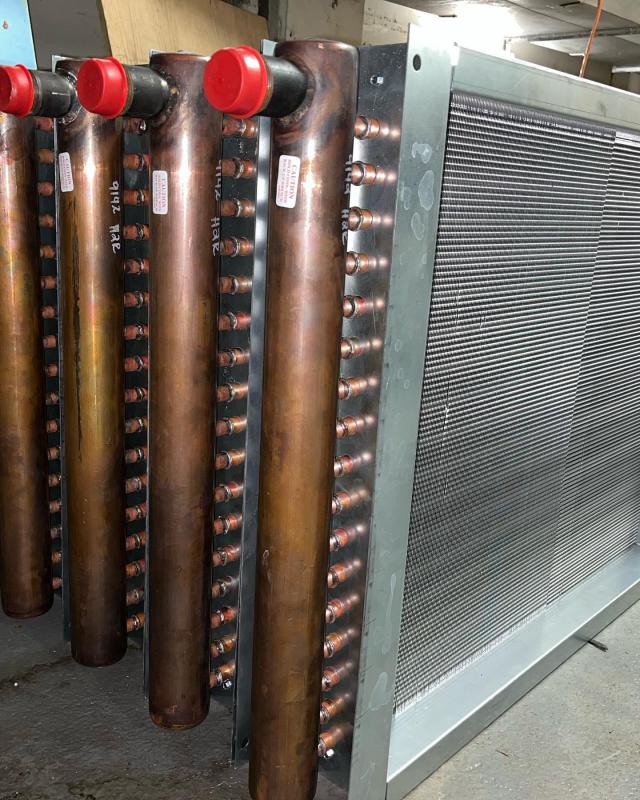
Hot water coils are foundational
components in commercial and industrial building heating systems, providing a
reliable solution for fluid-to-air or steam-to-air heat transfer. With
buildings being designed to better manage temperatures, the technology for hot water coils
has advanced too – providing greater efficiency, longer life, and warmer
precision. Modern systems rely on these coils to keep indoor spaces
comfortable, consume less energy, and last longer in operation.
A key advantage of contemporary hot
water coils is their tube-and-fin design. With the addition of an insulation
barrier, this type of coil will improve the heat transfer coefficient and
structural integrity. These hot-water coils are designed to withstand high
pressure while maintaining steady airflow. This balance prevents heating
systems from running fans or pumps too hard for no good reason.
Another important characteristic of hot
water coils is that they are suitable for use with virtually any type of
hydronic heating system. Whether in air handlers, unit ventilators, or terminal
units, these coils ensure consistent warm comfort across all flow and
temperature conditions. This versatility is increased by several circuiting
options that permit the designer to select the arrangement best suited to heat
distribution. Proper circuiting also allows hot water to flow evenly around the
coil, preventing uneven temperatures that could affect comfort or system
operation.
Coil selection for high-duty
applications is heavily influenced by durability. Hot water coils are subjected
to extreme temperature changes, widely varying water conditions, and high hours
of use. To combat these issues, manufacturers generally provide such units with
corrosion-resistant coatings; robust end-plates and headers treated to
withstand continual operation. These characteristics maintain coil integrity,
minimise leakage potential, and reduce equipment ageing – all crucial factors
for facilities that rely on consistent year-round heating.
It may be due to maintenance practices
as well. Maintenance, cleaning, and routine inspection of the hot water coils
are necessary to maintain the efficiency of heat transfer by preventing the
accumulation of dirt, scale, or other materials that may insulate the finned
surfaces. The hydronic system is balanced and treated accordingly to ensure
coils are free of internal fouling, which can impede flow and thermal output.
For retrofit, custom-built hot water
coils that enable aging HVAC systems to perform just as they did when new, with
few, if any, mechanical changes. Exact measurements, materials, and connection
placement ensure the same appearance and dimensions as the original, from your
vehicle restorer’s perspective.
With ongoing emphasis on sustainability
in the HVAC industry, hot water coils will be a key part of energy-efficient
heating solutions. Their capacity to provide stable heating or cooling output
when controlled, without going to waste on energy, has made them integral
building attributes for achieving performance targets and lasting operational
savings.
Matt Robinson is the author of this article. To know more about Standard Steam Coils, please visit our website: nationwidecoils.com.
Post Your Ad Here
Comments