Concrete Tank Inspection: Essential Guide for Safe Water Systems
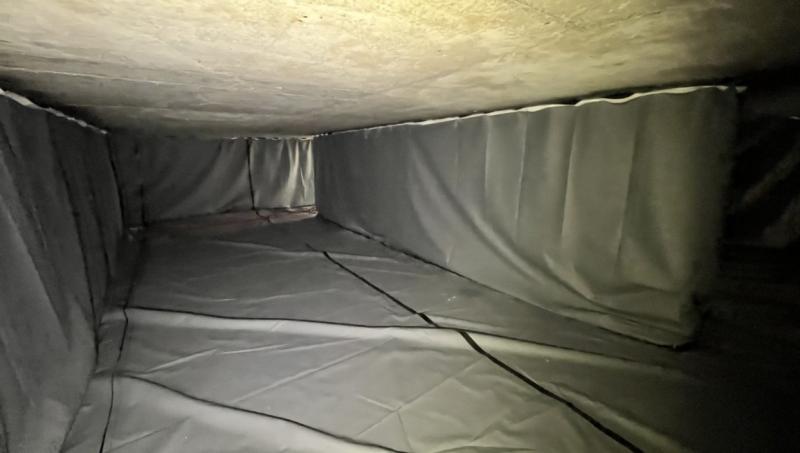
Few procedures are as important to the dependability and security of water storage systems as concrete tank inspection. The integrity of a concrete tank dictates the quality and safety of its contents, regardless of whether it is used for wastewater management, industrial processing, agricultural, fire prevention, or portable water. However, many facility managers neglect planned inspections until an expensive mishap happens. This guide explains the importance of inspections, the steps involved, and how the proper liner can prolong the life of your tank for decades.
Why Choose Concrete Tank Inspection
Regular concrete tank inspection is an essential safety measure that helps identify early indicators of deterioration, not only a maintenance procedure. Despite its durability, concrete is susceptible to microbiological development, chemical degradation, cracking, and leakage over time. However, these problems could develop into water contamination or structural breakdowns if they are not inspected.
When performed regularly, inspections:
Prevent costly repairs by identifying problems early
Protect stored water from contamination
Extend the structural life of your tank
Ensure compliance with safety and regulatory standards
Maintain optimal water flow and pressure
A comprehensive concrete tank inspection ensures long-term operational stability because concrete tanks are often essential components of infrastructure.
What a Professional Concrete Tank Inspection Includes
A thorough inspection is much more than a cursory visual examination. Certified inspectors use sophisticated instruments and careful assessment procedures, such as:
1. Structural Assessment
Cracks, spalling, exposed rebar, settling, and damaged joints are all things that inspectors search for. Even tiny fissures may be a sign of more serious problems.
2. Surface and Coating Evaluation
To prevent contamination or leaks, any existing coating, sealant, or concrete tank liner is inspected for blistering, peeling, or degradation.
3. Moisture and Leak Detection
Dye testing and sophisticated moisture meters help pinpoint leaks precisely.
4. Internal Condition Review
Internal floors and walls are examined for silt accumulation, chemical damage, biological development, and scaling.
5. Compliance and Safety Checks
Inspectors confirm that the tank aligns with environmental and operational guidelines.
Hence, this holistic approach ensures that every part of your tank functions as it should.
The Role of Concrete Water Tank Liners in Long-Term Protection
Installing premium concrete water tank liners is one of the most effective ways to increase a tank's lifespan following a concrete tank inspection. Liners act as a physical barrier to shield the concrete structure from abrasion, chemicals, pressure changes, and water intrusion.
Concrete tank liners of today are designed to be extremely resilient, UV-resistant, and flexible enough to adapt to small structural changes.
Stop leaks
Prevent chemical corrosion
Block bacterial and algae growth
Enhance water purity
Reduce maintenance costs
Liners are frequently the difference between a commercial or municipal tank lasting 10 years or 40.
Choosing the Right Concrete Tank Liner After an Inspection
Depending on the size, contents, and environmental conditions of your tank, your contractor may suggest a concrete tank liner following a comprehensive inspection. Typical choices consist of:
Polyurethane liners – ideal for potable water
Polyurea coatings – highly durable and rapid-curing
PVC liners – flexible and cost-effective
Epoxy coatings – strong resistance to chemicals
The proper liner minimizes the need for regular repairs and guarantees long-term functioning.
Winding Up
Your best defense against structural deterioration, contamination, and expensive system failures is a regular, expert concrete tank inspection. You can build a dependable, long-lasting, and secure water storage system by combining it with sturdy Concrete Tank Liners like Concrete Water Tank Liners. Investing in high-quality inspections and the appropriate concrete tank liner now will result in fewer interruptions, improved water quality, and long-term peace of mind.
Make Concrete Tank Inspection an essential component of your maintenance schedule to safeguard your system.
Post Your Ad Here
Comments