Everything You Need to Know Before Buying 3D Printed Sneakers
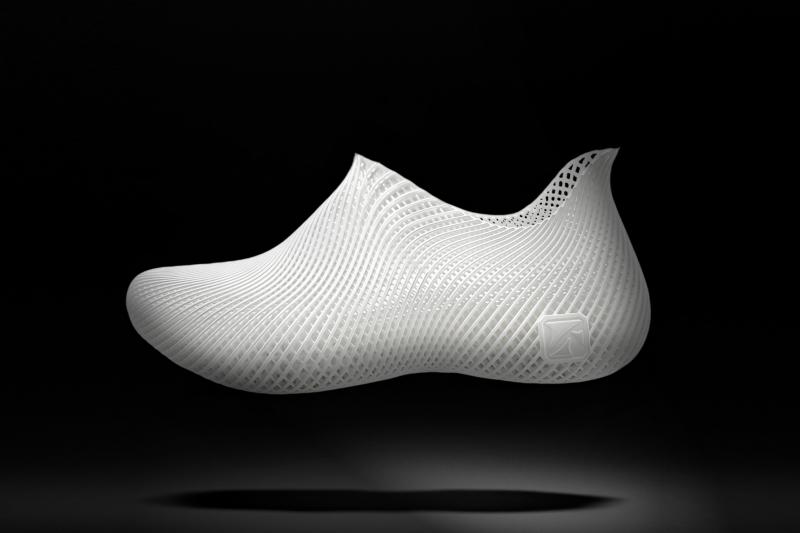
1. The Hook: Forget Gimmicks, This Is the Singularity
If your mental image of 3D printed footwear is still stuck on clunky, stiff plastic grids that look cool but feel like walking on Legos, 2025 has a wake-up call for you.
We have officially hit the "Additive Manufacturing Singularity." This is the year the technology graduated from museum concept pieces to marathon-winning gear. With the launch of powerhouses like Nike’s Project Nectar and On Running’s LightSpray™, 3D printed sneakers are no longer just expensive toys. They are lighter, more durable, and fundamentally engineered to outperform the traditional foam shoes currently sitting in your closet.
Before you invest in your next pair of kicks, read this. We’re breaking down why 2025 is the turning point, the science behind the comfort, and why you might never want to wear EVA foam again.
2. The 2025 Tech Revolution: A New Arms Race
This year isn't about new colorways; it's about rewriting the rules of manufacturing.
Nike Project Nectar & The Air Max 95000
The debut of the Air Max 95000 at ComplexCon was more than a product launch—it was a statement. Born from Nike’s Project Nectar, this shoe solves the biggest headache in footwear: Glue.
- The Tech: By printing the entire chassis as a single, integrated unit using high-durability TPU, Nike eliminated adhesives entirely.
- Why It Matters: No glue means no "sole separation" after heavy use. It also means the shoe is 100% recyclable at the end of its life, closing the loop on sustainability.
On Running's LightSpray™: The 3-Minute Miracle
While Nike reinvented the sole, Swiss brand On reinvented the upper with LightSpray™.
- The Tech: A robotic arm sprays a continuous filament of thermoplastic onto a mold, creating a shoe upper in a single step.
- The "Wow" Factor: The process takes just 3 minutes.
- The Result: The Cloudboom Strike LS is the result—a shoe with an upper that is seamless, laceless, and ultra-thin (like a second skin), designed specifically to shatter marathon records.
3. The Leap: 2025 vs. The "Stone Age" (Pre-2024)
To understand why you should buy now, look at how fast the tech has evolved.
Feature | The Old Way | The New Standard (2025) | Verdict |
Feel | Stiff, brittle, "plastic-like." | Cloud-like & Responsive. High-grade TPU/EPU offers energy return that rivals top-tier foam. | ** |
Speed | Days to print one pair. | Minutes. LightSpray takes 3 mins; Zellerfeld prints on-demand in days. | * |
Design | Simple grids for aesthetics. | Biomimetic Lattices. Algorithmically generated structures that adapt density to your foot's pressure map. | ** |
4. The Science: Why Lattice Beats Foam Every Time
This isn't marketing fluff; it's physics. Traditional sneakers run on EVA Foam. It’s cheap, but it has a fatal flaw: Compression Set.
- The "Dead Shoe" Problem: Foam is like a sponge. Every time you step, you crush air bubbles. Over 300-500 miles, those bubbles burst and don't bounce back. Your shoe "pancakes," and your joints take the hit.
- The Lattice Solution: 2025's 3D printed midsoles don't rely on air bubbles. They rely on mechanical structure. The polymer lattice absorbs impact by bending, not crushing. Even after 100,000 steps, it springs back to 100% of its original shape. Your shoe feels exactly the same on Mile 500 as it did on Mile 1.
5. Sustainability & The Perfect Fit
Buying 3D printed shoes is also a vote for a smarter supply chain.
- Circular Economy: Without the nasty glues that make recycling impossible, shoes like the Air Max 95000 can be shredded and reprinted into new shoes. It’s guilt-free consumption.
6. Professional Buying Advice
Ready to dive in? Here is how to navigate the market:
- For the Speed Freak: Get the On Cloudboom Strike LS. If you are a serious runner, the weight savings from the LightSpray upper are a genuine competitive advantage.
- For the Style Icon: Look at the Nike Air Max 95000 or Zellerfeld collaborations. These are durable enough for daily wear and are guaranteed conversation starters.
- The Golden Rule: Check the material specs. Ensure you are buying Bio-based TPU (Thermoplastic Polyurethane) or EPU. Avoid older "Resin" prints, which can crack under stress.
The Bottom Line: 3D printed sneakers have crossed the chasm from "hype" to "high performance." They last longer, feel better, and fit perfectly. In 2025, buying a traditional foam shoe is like buying a DVD player—it works, but the world has moved on.
Post Your Ad Here
Comments