How Technology is Shaping the Future of Customer Experience
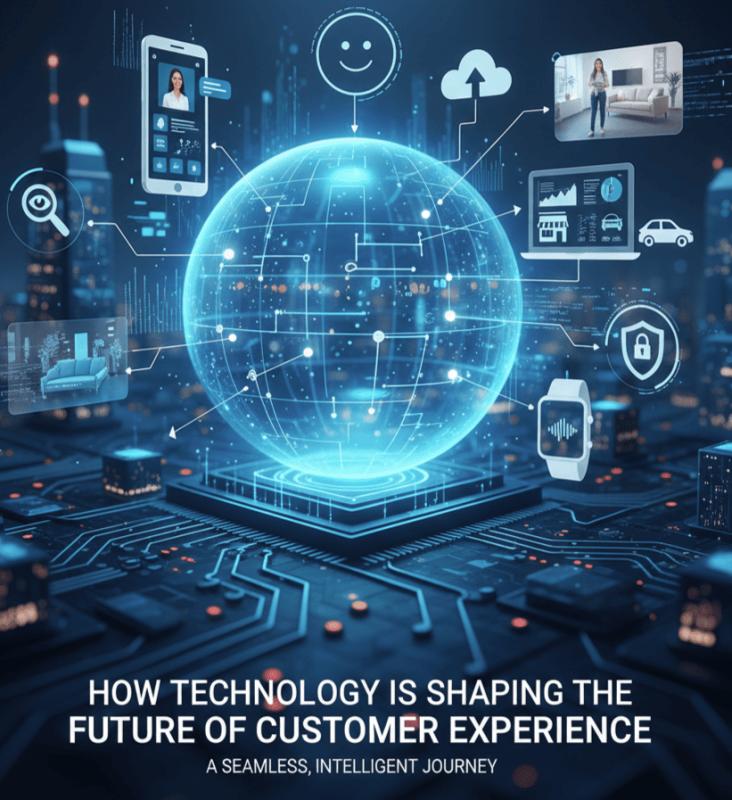
In the fast-moving digital world, customer experience is the cornerstone of business. The days when products and pricing were the only concerns for customer loyalty are long over. Now, how a brand engages its customers at every touchpoint has come to play a decisive role. Technology is at the center of this transformation as businesses can deliver personalized, seamless, and meaningful experiences like never before.
The Rise of Digital Customer Journeys
With the use of smartphones, online services, and social media, customer journeys have become increasingly digital. Customers no longer follow a linear path from awareness to purchase; instead, their interactions are dynamic and multichannel. Businesses are reacting by using technology to map these journeys and predict customer needs.
CRM systems, AI-driven analytics, and data visualization tools assist organizations with monitoring customer behavior at every touchpoint. With this information, brands can provide tailored experiences where a customer gets the right product, content, or support at the right moment.
Artificial Intelligence: Personalization at Scale
AI is certainly among the most powerful tools shaping the future of customer experience. AI services and solutions analyze vast amounts of data to understand individual preferences, predict behaviors, and automate decision-making. From chatbots and virtual assistants to recommendation engines, these technologies are becoming quite common and offer customers instant support and personalized product suggestions. For example, AI-powered chatbots can resolve common queries 24/7 while freeing up human agents to handle more complex tasks. Meanwhile, recommendation systems on e-commerce platforms suggest products based on browsing history, purchase patterns, and even sentiment analysis from social media interactions. The result is a more personalized, efficient, and satisfying experience that builds trust and customer loyalty.
Omnichannel Experience: Seamless Interaction Everywhere
Nowadays, customers demand seamless experiences across multiple touchpoints, whether online, in-store, or through mobile apps. With omnichannel technology combined with customer journey analytics solutions, businesses can ensure that a customer's interaction in one channel seamlessly continues in another. Customers might begin researching a brand's website, receive a promotional message, and ultimately decide to purchase in a physical store. Seamless integration of all these systems allows brands to track and respond to these interactions in real-time for a consistent experience.
Predictive Analytics: Proactive Customer Engagement
Predictive analytics is transforming how businesses approach customer experience. Analyzing historical data and trends, predictive models forecast customer needs and behaviors so companies can engage proactively rather than reactively.
This technology enables targeted marketing campaigns, anticipatory customer support, and proactive product recommendations. A subscription service might notify its customers in advance of a plan expiration and offer personalized renewal options and promotions. Predictive analytics services make it possible for companies to anticipate customer needs, reduce friction, and enhance satisfaction.
Voice Technology and IoT: Redefining Interaction
Voice technology and the Internet of Things(IoT) are creating more channels for customer engagement. The widespread use of voice assistants such as Alexa, Siri, and Google Assistant by customers will enable them to interact with brands using natural language, simplifying tasks such as placing product orders, checking account information, or scheduling services.
Meanwhile, IoT devices provide real-time data that businesses can use to enhance customer experience. Smart appliances, wearable devices, and connected vehicles collect insights into user behaviors, which can then be used to deliver hyper-personalized experiences. For example, imagine a smart refrigerator keeping track of the consumption of food items and automatically suggesting grocery orders. This would be the future of proactive, connected customer service.
Augmented and Virtual Reality: Immersive Experiences
Augmented and virtual reality technologies further push the boundaries of customers' experiences by creating an immersive and interactive experience. For instance, retailers are allowing customers to virtually "try on" clothes or preview furniture in their homes before making a purchase.
These technologies enhance not only engagement but also reduce uncertainty and increase confidence in purchase decisions. As AR and VR continue to evolve, they will become essential tools for brands looking to offer experiences that are both memorable and practical.
Data Privacy: Balancing Technology and Trust
While technology opens up new opportunities, it also brings challenges, mostly those that involve data privacy and security. Customers are increasingly aware of how their personal information is used, and it requires very cautious handling by businesses. Transparent data practices, consent management, and secure systems are critical for maintaining trust while leveraging technology to enhance customer experience.
Conclusion
Technology is fundamentally changing customer experience, enabling businesses to deliver personalized, proactive, and immersive interactions. From AI-driven personalization and predictive analytics to omnichannel integration, voice interfaces, and AR/VR, companies have more powerful tools than ever before to engage and delight customers at every stage in their journey.

Post Your Ad Here
Comments