5 Ways Psychiatrists Can Help Overcome Addiction
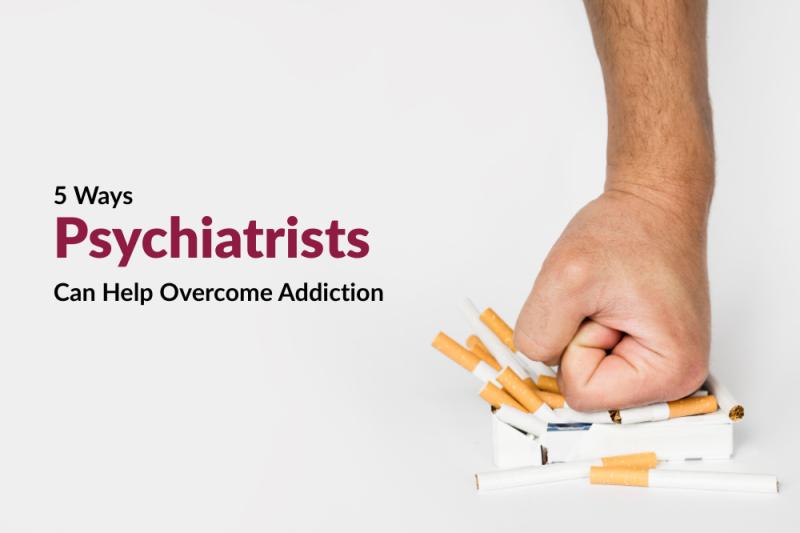
Addiction, we have often heard of it. A word spoken casually holds intense reality and harsh repercussions if not addressed before it becomes a storm in the affected's life. Addiction is either substance use disorders, including prescription drugs, illegal substances, or alcohol, and other behavioral addictions like shopping, gambling, or internet usage. The symptoms of addiction are seen when an individual neglects responsibilities, isolates from social activities, and has a constant preoccupation with addictive behavior or substances.
Addiction affects millions of people and their families every year. While strong willpower alone cannot get one out of the addiction trap, it requires professional long-term guidance to provide addicted individuals with a life beyond addiction.
This blog explains the five powerful ways psychiatrists help people overcome addiction.
The Ways Psychiatrists Help Overcome Addiction
#1 Comprehensive assessment
The first step to interact with an individual suffering from addiction is when a psychiatrist leaves a nonjudgmental room for them to listen and understand the nature and extent of their addiction. Psychiatrists assess their medical history, incidents that might lead them to addiction, or any co-occurring disorders.
#2 Prescribing and managing medications
After listening to the affected individual, psychiatrists can prescribe medications to help manage withdrawal symptoms. Medication can help manage withdrawal symptoms or reduce cravings for some individuals, so the Best Psychiatrist in Ahmedabad prescribes and monitors these medications safely.
#3 Therapeutic support
Severe addiction cannot be managed only via medications. Therefore, psychiatrists often incorporate various therapeutic techniques. These include interpersonal therapy or cognitive behavioral therapy to help patients modify destructive behavioral and thinking patterns.
#4 Personalized treatment plans
Curing addiction is one of the most challenging areas for psychiatrists. Yet the psychiatrists, with their full confidential support and resources, create a personalized plan to treat addiction after conducting a comprehensive assessment, identifying root causes, and adapting interventions over time. The customized plan may include therapy, support groups, medications, and holistic approaches.
#5 Long-term support and relapse prevention
Recovery is a long-term process, at times even lifelong. This is why psychiatrists continuously monitor the patient's progress, address new challenges, and adjust the treatment plan accordingly to ensure it remains effective as needs evolve. They help clients recognize early signs of relapse, develop prevention strategies, and strengthen their support systems.
Addiction is dangerous, but not seeking help to get out of it can be fatal. The stigma surrounding addiction can dissuade individuals from reaching out to a psychiatrist for help. However, consulting a psychiatrist to treat addiction is vital for recovery. It serves as a ray of hope, empowering individuals to take back control of their lives.


Post Your Ad Here
Comments