How Meditation Reshapes the Brain
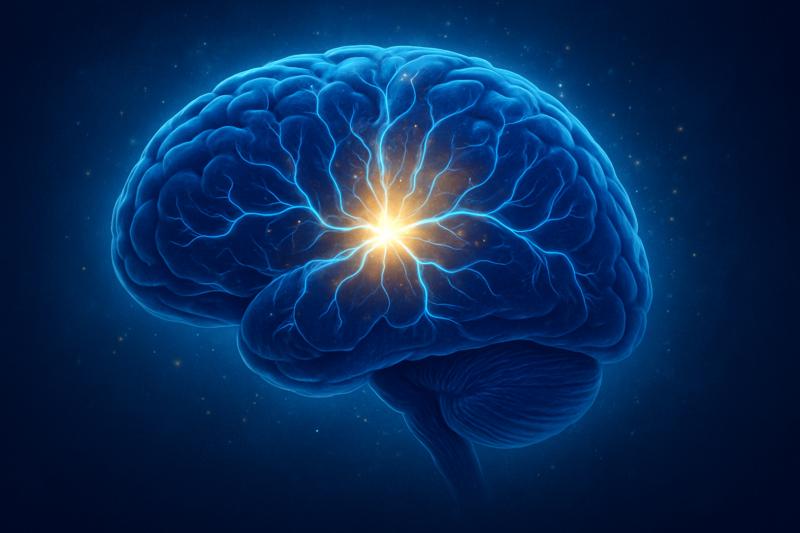
People have practised meditation for thousands of years to find inner stability, clearer thinking, and emotional balance. Only recently has science begun to explain why it works so well. With modern neuroimaging tools, researchers can now watch the living brain in action, measuring electrical signals, mapping changes, and tracking the long-term effects of regular meditation.
As meditation becomes more popular around the world, people are now asking not only whether it works, but also what happens in the brain. Research shows that meditation does more than change how we feel during a session. It reshapes the brain in ways that support daily functioning, mental health, and emotional resilience.
Here’s what neuroscience has discovered so far, and why dedicated practices like those at Meditation Sydney matter more than ever.
What Brain Research Is Revealing About Meditation
New advances in EEG and fMRI technology have changed how we understand meditation. These tools enable scientists to observe the brain in action. EEG tracks electrical activity from moment to moment, while fMRI shows how blood flow changes in areas linked to mood, memory, and attention.
Neuroscientists, including Dr David Vago, a long-time meditation researcher, have found that meditation leads to fundamental changes in both how the brain works and how it is built. Rather than merely relaxing the mind, meditation trains it by strengthening beneficial networks and calming those associated with stress or overthinking.
Many studies show the same result: meditation helps create mental clarity, emotional balance, and better ways to handle stress.
What EEG Studies Show: A Brain in Restful Awareness
Over sixty years of EEG research show a clear pattern. No matter the style—mantra, mindfulness, guided, breath-based, or transcendental—people who meditate have noticeable changes in their brainwave patterns:
• An increase in alpha waves, linked to calm, relaxed focus
• Greater theta activity is associated with creativity, insight and deep rest.
• Reduced beta activity, which corresponds to a quieter, less restless mind
• Occasional bursts of gamma activity are often connected with heightened awareness.
These changes indicate a unique state often described as “restful alertness,” in which a person is awake and aware yet deeply relaxed. This state is similar to a hypometabolic state, in which the body conserves energy and becomes better at handling stress. Many students report feeling refreshed after a single guided session.
What fMRI Studies Reveal: Measurable Brain Changes Over Time
EEG shows brain activity during meditation, whereas fMRI reveals changes associated with regular practice. Brain scans from the last twenty years show that people who meditate regularly have more vigorous activity and structure in areas related to:
• emotional balance
• memory and learning
• bodily awareness
• compassion and empathy
• decision-making and executive control
One of the most surprising findings is about cortical thickness. Typically, the cortex becomes thinner with age. However, people who meditate for many years often have a much thicker cortex than others their age, sometimes comparable to that of someone much younger. This suggests meditation might help protect against age-related memory loss and diseases like Alzheimer’s.
Meditation as a Leading Mind–Body Practice
Scientists now see meditation as one of the most effective mind–body tools. It affects the mind, brain, and body at the same time, with common benefits such as:
• reduced stress
• steadier emotional responses
• improved sleep
• greater immune function
• lower blood pressure
• enhanced focus and working memory
While researchers continue to learn more, the evidence already supports what meditators have long believed: meditation strengthens the mind by changing the brain.
How Quickly Do These Changes Occur?
One of the most encouraging findings is that the brain begins to change almost immediately. Experienced meditators show the biggest changes, but even beginners often notice measurable shifts in brain activity within days or weeks.
Every session helps build long-term change, one moment and one breath at a time.

Post Your Ad Here