Understanding Gastro Liver Symptoms: Your Guide to Better Digestive Health.
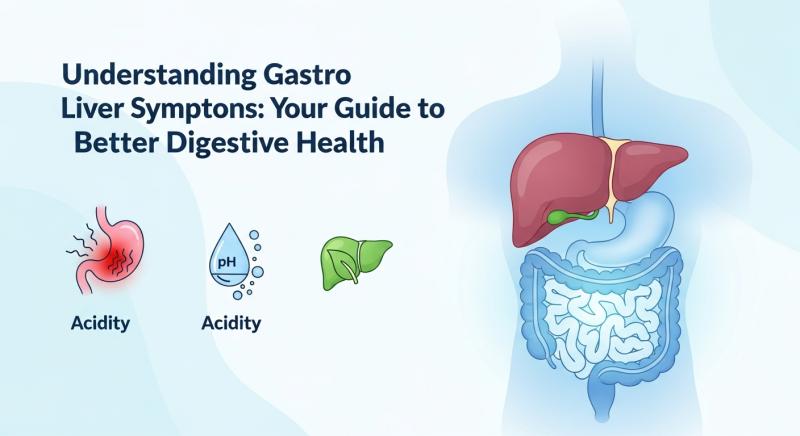
Digestive health is something most people overlook until symptoms begin affecting their daily life. Issues like acidity, indigestion, bloating, severe diarrhea, and unexplained abdominal pain can often signal deeper concerns related to the gastrointestinal (GI) tract or liver. Recognizing gastro liver symptoms early can help you seek timely medical support and prevent complications.
In today’s fast-paced lifestyle, poor eating habits, stress, irregular sleep, and processed foods have made digestive disorders more common than ever. But the good news is that most GI and liver issues can be controlled or completely treated when you understand the symptoms and seek expert care at the right time. This article covers the most common symptoms, their possible causes, and when you should consider treatment options like acid reflux treatment or severe diarrhoea treatment.
1. What Are Gastro Liver Symptoms?
Gastro liver symptoms refer to conditions that affect both the digestive system and the liver. These symptoms may appear independently or as a combination. Some of the most common include:
Persistent acidity or burning sensation in the chest
Abdominal pain or discomfort after meals
Bloating, gas, and indigestion
Nausea or vomiting
Loss of appetite
Fatigue or weakness
Yellowing of eyes or skin
Severe diarrhea or dehydration
Sudden weight loss
Dark urine or pale stools
These symptoms should not be ignored, especially if they occur frequently. Early diagnosis can help prevent long-term liver damage or chronic digestive disorders.
2. Common Causes Behind These Symptoms
Several lifestyle, dietary, and medical factors can trigger gastro liver symptoms. Here are the most common causes:
a) Poor Diet and Eating Habits
High consumption of fried foods, spicy meals, sugary snacks, and processed items can irritate the GI system. Eating large meals late at night also puts pressure on digestion.
b) Stress and Irregular Sleep
Stress affects gut movement, causes acidity, and can even worsen irritable bowel symptoms.
c) Infections and Contaminated Water
Bacterial and viral infections often cause diarrhea, vomiting, and dehydration.
d) Excessive Alcohol Use
Overconsumption of alcohol can damage liver cells and cause long-term symptoms.
e) Acid Reflux
Acid reflux occurs when stomach acid flows back into the esophagus, causing burning sensations, coughing, or chest discomfort. Persistent reflux needs acid reflux treatment to prevent complications like ulcers.
f) Medications or Medical Conditions
Some medicines can irritate the stomach lining, while conditions like fatty liver, hepatitis, IBS, or gallbladder disease contribute to gastro liver symptoms.
3. When Do You Need Acid Reflux Treatment?
Acid reflux is extremely common, but if you experience these symptoms frequently, it’s time to consider treatment:
Burning sensation in the chest (heartburn)
Sour taste in mouth
Trouble swallowing
Frequent burping or nausea
Chest discomfort after meals
Ignoring acid reflux can damage the esophagus. Professional acid reflux treatment involves lifestyle changes, medication, dietary modifications, and in severe cases, endoscopic evaluation.
4. Understanding Severe Diarrhoea Treatment
Diarrhea becomes severe when it leads to dehydration, weakness, or continues for more than 1–2 days. You should seek severe diarrhoea treatment if you notice:
Watery stools more than 4–5 times a day
Blood or mucus in stools
Fever or nausea
Dehydration, dry mouth, or dizziness
Stomach cramps
No improvement even after ORS
Severe diarrhea can be caused by infections, food poisoning, inflammatory bowel disease, or contaminated food/water. Treatment involves ORS, hydration, probiotics, medication, and identifying the root cause through tests.
5. Tips to Maintain Healthy Gastro & Liver Function
To prevent gastrointestinal symptoms from worsening, adopt these habits:
Eat Light, Healthy Meals
Include fiber-rich foods, fruits, vegetables, and lean proteins.
Avoid Trigger Foods
Reduce caffeine, fried foods, sugary drinks, and spicy meals.
Stay Hydrated
Drink clean water, ORS during illness, and avoid alcohol.
Follow a Regular Meal Schedule
Irregular eating increases acidity and digestive discomfort.
Exercise Daily
Light walking, yoga, and moderate activity aid digestion.
Avoid Stress
Practice meditation, deep breathing, and sleep 7–8 hours daily.
Seek Timely Medical Advice
If gastro liver symptoms persist, consult a specialist for accurate diagnosis.
6. When to Consult a Gastro Liver Specialist?
You should visit a specialist if:
Your symptoms last more than a week
Over-the-counter remedies don’t help
You experience severe diarrhea
You have chronic acidity or chest burning
You notice yellowing of eyes or extreme fatigue
You have recurring stomach pain or discomfort
A proper evaluation, endoscopy, ultrasound, or blood test may be required to determine the cause and begin the right treatment plan.
Address & Contact
Part 1, E-20, Greater Kailash, New Delhi – 110048
Call Now: (+91) 8447663380

Post Your Ad Here
Comments