Offshore vs Outsource: Choosing the Best Strategy for Business Efficiency
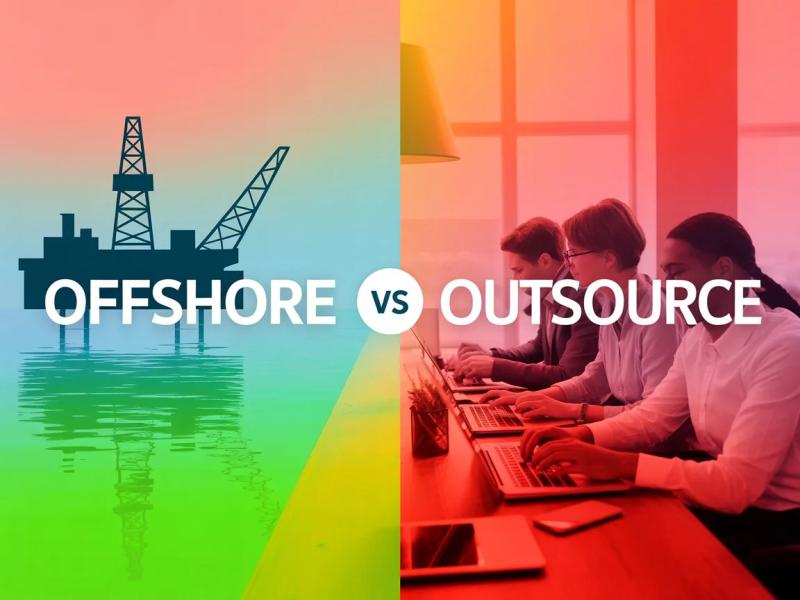
In the modern business landscape, companies are constantly exploring ways to optimize costs, increase productivity, and access specialized skills. Two strategies that often come into consideration are outsourcing vs offshoring. Understanding the difference between outsourcing and offshoring can help businesses make informed decisions and implement solutions that truly enhance operational efficiency.
Defining Outsourcing and Offshoring
While the terms are sometimes used interchangeably, there are distinct differences. Outsourcing vs offshoring both involve delegating work to external parties, but the approach and location differ:
-
Outsourcing refers to contracting specific tasks or functions to third-party vendors, which can be local or international. This allows companies to focus on their core operations without expanding internal resources.
-
Offshoring is the practice of relocating certain business processes or services to another country, often to reduce costs, access global talent, or leverage favorable economic conditions.
By grasping the difference between outsourcing and offshoring, organizations can identify which strategy aligns better with their goals.
Pros and Cons of Offshoring and Outsourcing
Every strategy comes with its benefits and challenges. Evaluating the pros and cons of offshoring and outsourcing ensures businesses can make informed decisions:
Advantages of Outsourcing
-
Access to specialized expertise and technology
-
Reduced operational burden and overhead costs
-
Increased flexibility for scaling operations
Advantages of Offshoring
-
Cost savings due to lower labor expenses
-
Access to a global talent pool
-
Opportunity for round-the-clock productivity in different time zones
Potential Challenges
-
Outsourcing can sometimes lead to communication gaps or less control over quality
-
Offshoring may involve cultural differences, regulatory hurdles, or management complexity
This evaluation is key when comparing offshore vs outsource options.
Making the Right Choice: Offshoring and Outsourcing
The decision between offshoring and outsourcing largely depends on business priorities:
-
If cost reduction and international expansion are primary goals, offshoring is often the ideal choice.
-
If access to specific expertise without long-term internal hiring is the focus, outsourcing may provide better results.
Many companies combine both approaches, creating a hybrid model that leverages the advantages of each strategy for maximum efficiency and scalability.
Conclusion
Deciding for business growth outsourcing vs offshoring is a strategic choice that impacts cost, efficiency, and growth potential. By understanding the difference between outsourcing and offshoring and carefully weighing the pros and cons of offshoring and outsourcing, businesses can implement a strategy that improves performance, reduces expenses, and strengthens competitiveness.
Whether through offshoring and outsourcing individually or in combination, companies can streamline operations, access global talent, and achieve sustainable business growth.

Post Your Ad Here
Comments