What is the Difference Between Home Lift and Passenger Lift?
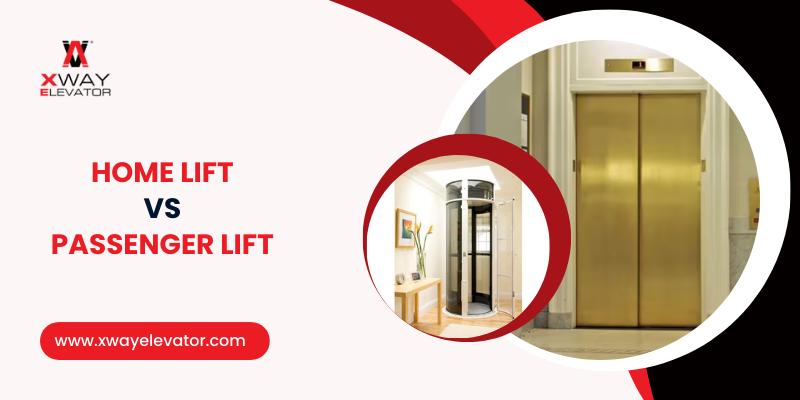
Lifts have become an essential part of modern living, whether in luxurious homes, high-rise apartments or busy commercial buildings. However, the terms home lift and passenger lift are often used interchangeably, even though they serve very different purposes. Understanding these differences is crucial for homeowners, builders, and facility managers who want the right balance of convenience, safety, and functionality.
In this blog, we break down what truly sets a home lift apart from a passenger lift, covering design, speed, capacity, safety features, and installation needs, so you can make an informed choice that perfectly fits your space and lifestyle.
What is a Home Lift?
A home lift is a shaftless elevator designed for installation and use in private properties of all sizes.
What is a Passenger Lift?
Compared to a home lift, a passenger lift from a passenger lift manufacturer in Vadodara is spacious and has a higher weight capacity. Still, it is more difficult to install and more expensive. They are suited for apartments and commercial buildings. The only difference between the two is the need for a lift shaft.
Key Differences Between the Two
Home lifts are designed to be smaller and more compact to fit into private residences where space may be limited. Typically, home lifts are built to fit into existing house layouts with minimal changes.
On the other hand, passenger lifts should meet strict size and weight requirements due to their use in public spaces and high-traffic environments. These lifts are generally larger to accommodate more passengers and meet accessibility standards, including those set by government regulations.
Safety Features and Regulations
Some high-end home lifts come loaded with a ton of safety features, including emergency braking, alarm systems, and interlocks. Since these lifts are intended for use in lavish homes, the regulatory standards are less stringent.
On the other hand, passenger lifts face much stricter safety regulations and requirements due to their use in public and high-traffic environments. They must meet all local and national safety codes and government guidelines, ensuring full accessibility. These lifts include safety features like fire service mode, emergency lighting, communication systems, and more.
Weight Capacity and Vertical Distance
Home lifts are designed to carry loads up to 500 kg. This is sufficient for household needs, including family members and small loads like groceries or luggage. Also, the vertical travel distance of home lifts is limited, generally covering up to four to five floors.
Alternatively, passenger lifts are designed to handle much larger weight capacities, often 2 tons or more. As a result, passenger lifts can effectively transport large numbers of passengers, heavy equipment, and goods. Furthermore, these lifts can cover long vertical distances with multiple stops, making them ideal for offices, hotels, apartments, and other high-rise buildings.
In conclusion, choosing between a home lift and a passenger lift depends on your space, usage, and safety needs. Home lifts are compact and ideal for private residences, while passenger lifts offer higher capacity and stricter safety standards for busy buildings. Understanding these key differences helps you pick the lift that best fits your requirements and ensures safe, seamless movement every day.
Post Your Ad Here