Everyday Ways to Even Out Skin Discoloration
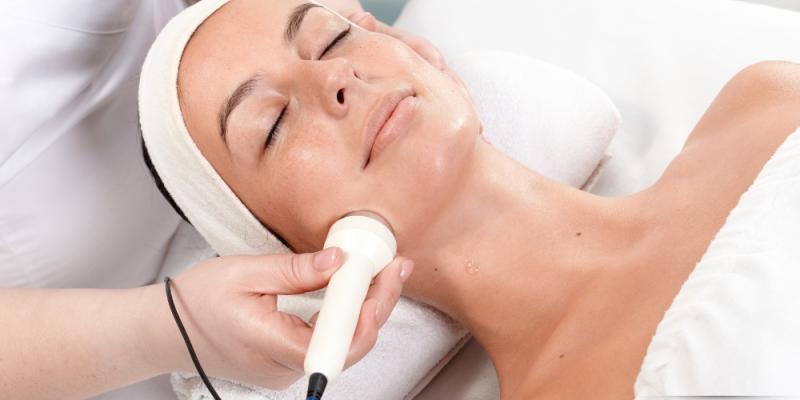
Dealing with skin discoloration can be frustrating, especially when it affects your overall appearance and confidence. Whether it’s dark spots, hyperpigmentation, redness, or an uneven skin tone, discoloration is a common issue many people face. The good news is that with the right discoloration treatment and a consistent skincare treatment routine, you can help even out your skin tone and restore your natural glow.
In this blog, we will go over some easy, everyday methods to reduce skin discoloration. From simple skincare practices to lifestyle habits and targeted treatments, we’ve got you covered with practical tips that can help you achieve smoother, clearer skin.
What is Skin Discoloration?
Skin discoloration happens when certain areas of your skin become lighter or darker than the rest of your face or body. There are several types of discoloration, and each can happen for different reasons:
Hyperpigmentation: This is when some areas of your skin become darker. It’s often caused by sun exposure, acne scars, hormonal changes (like pregnancy), or certain medications.
Hypopigmentation: This is when parts of your skin become lighter. Conditions like vitiligo or skin healing after a breakout can cause this.
Redness or Rosacea: This is when your skin looks red or flushed. It can be caused by acne, rosacea, or irritation.
Dark Circles: Dark areas under the eyes are often due to lack of sleep, aging, or genetics, leading to an uneven tone around the eyes.
Easy Tips to Even Out Skin Discoloration
To reduce skin discoloration and achieve a balanced, glowing complexion, you can incorporate these simple habits into your daily routine.
1. Cleanse Your Skin Regularly
Cleansing your skin is the first step to a healthy skincare treatment routine. Cleansing removes dirt, oil, and makeup from your skin, which helps prevent clogged pores and irritation that can lead to discoloration.
Use a gentle cleanser that suits your skin type. Look for ingredients like vitamin C or glycolic acid, which are known to brighten the skin.
Cleanse your face twice a day once in the morning and once at night to keep your skin clear and fresh.
2. Apply Sunscreen Every Day
Sun exposure is one of the top causes of skin discoloration. UV rays can increase melanin production, leading to dark spots and uneven skin tone. Protecting your skin with sunscreen can help prevent further damage and discoloration.
Always apply broad-spectrum sunscreen with at least SPF 30 every morning, even on cloudy days or if you’re indoors.
Make sure to reapply sunscreen every two hours when you're outdoors.
If possible, choose a sunscreen that contains skin-friendly ingredients like niacinamide, which helps brighten skin.
3. Exfoliate for Brighter Skin
Exfoliating your skin helps remove dead skin cells and promotes the growth of new skin. This can make your complexion look brighter and more even, while also preventing clogged pores.
Use a gentle exfoliant, preferably one with AHAs (alpha-hydroxy acids) or BHAs (beta-hydroxy acids). These ingredients help break down dead skin cells without irritating the skin.
Exfoliate 2–3 times a week, depending on your skin type, to avoid over-exfoliating.
4. Use Targeted Treatments for Discoloration
There are many discoloration treatments available that can help reduce dark spots, hyperpigmentation, and uneven skin tone. Some key ingredients to look for include:
Vitamin C: This powerful antioxidant brightens the skin and helps reduce dark spots.
Niacinamide: Niacinamide helps reduce redness and can also fade hyperpigmentation over time.
Retinoids: Retinoids like retinol or prescription-strength tretinoin help with skin cell turnover, helping fade dark spots and smooth out skin.
Alpha Arbutin: A milder option for fading dark spots and discoloration without irritation.
Licorice Extract: Known for its brightening properties, licorice extract helps prevent the production of excess melanin, which causes dark spots.
When adding new products to your routine, start slow to avoid irritation, and introduce them gradually.
5. Moisturize Your Skin
Hydration is key to healthy skin. Even if you have oily skin, it’s still important to use a moisturizer to keep your skin balanced. Dry skin can make discoloration more noticeable.
Use a lightweight, non-comedogenic moisturizer (meaning it won't clog your pores).
Look for moisturizers with hydrating ingredients like hyaluronic acid or glycerin to help keep your skin soft and smooth.
6. Stay Hydrated
Drinking enough water throughout the day helps keep your skin hydrated from the inside out. Dehydrated skin can make your complexion look dull and uneven.
Aim to drink 8 glasses of water a day (or more if needed).
When your skin is well-hydrated, it looks fresher and healthier, which can reduce the appearance of discoloration.
7. Adopt Healthy Lifestyle Habits
Healthy habits can make a big difference when it comes to keeping your skin clear and even-toned. Here’s how to support your skin from the inside:
Eat a balanced diet: Foods rich in antioxidants, like berries, leafy greens, and citrus fruits, can help brighten and protect your skin.
Reduce stress: Stress can trigger skin flare-ups and worsen discoloration. Try relaxing activities like yoga, meditation, or deep breathing to manage stress.
Sleep well: Aim for 7–9 hours of sleep each night. Lack of sleep can make your skin look dull and can cause dark circles under the eyes.
8. Consider Professional Treatments
Sometimes, at-home remedies might not be enough, especially for stubborn discoloration. If that’s the case, you might want to consider professional treatments. These can give your skin a big boost and help with discoloration:
Chemical Peels: These exfoliate the skin and help fade dark spots and uneven skin tone by removing damaged skin cells.
Laser Treatments: Laser therapy can target pigmentation issues, like dark spots, and stimulate collagen production to improve skin texture and tone.
Microneedling: This treatment helps promote collagen growth and improves skin texture, reducing discoloration over time.
Final Thoughts
Evening out skin discoloration doesn’t have to be difficult or expensive. By following a consistent skincare treatment routine with regular cleansing, sun protection, exfoliation, and the right treatments, you can make noticeable improvements in your skin’s tone and texture. Healthy habits, like drinking enough water, eating a balanced diet, and reducing stress, will also support your skin’s overall health.
If your discoloration is persistent or severe, consider visiting a dermatologist to explore additional discoloration treatments that might be more effective for your specific needs. Be patient, as it can take time to see results, but with the right approach, you can achieve a more even, glowing complexion. Taking care of your skin today will lead to beautiful, healthy skin tomorrow!

Post Your Ad Here
Comments