How to Install Insect Screen for a Bug-Free Home
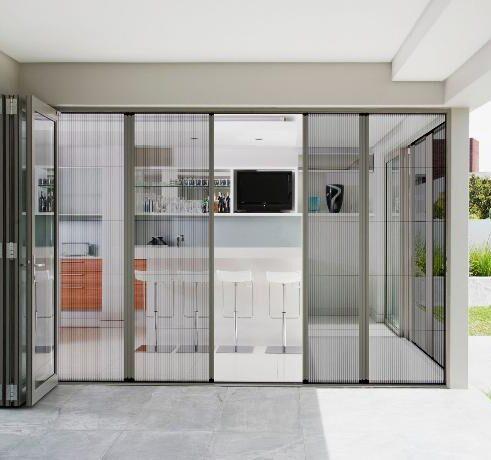
If you're tired of pesky insects invading your home but still want to enjoy fresh air, installing insect screens is an innovative solution at Window Dressers. Whether for windows, doors, or patio doors, insect screens help keep bugs out while letting the breeze flow in. In this guide, we'll walk you through everything you need to know to install insect screens efficiently and effectively, so you can create a comfortable, bug-free environment in your home.
Benefits of Installing Insect Screens
Insect screens do more than block flies and mosquitoes—they protect your family from bug bites and potential diseases. If you live near bushfire-prone areas, busy roads, or lush gardens, screens can reduce dust, pollen, and allergens entering your home, improving indoor air quality. Plus, by allowing natural ventilation, they can help lower your energy bills by reducing the need for air conditioning. These versatile screens can be fitted on windows, doors, and patio doors to suit your home's needs.
Choosing the Right Insect Screen
Before you start, consider the type of window or door you want to cover and the level of protection you need. Insect screens are available in various materials, including fiberglass, polyester, aluminum, and stainless steel. For easy installation and removal, magnetic tape insect screens are popular, especially for renters or seasonal use. Traditional screen frames offer a more permanent solution and are durable against the elements. Also, think about the color and style to match your home's décor.
Types of Insect Screens
There are several types to choose from:
Magnetic Tape Screens: Easy to install and remove without tools, perfect for quick fixes or renters.
Traditional Screen Frames: Provide sturdy, long-lasting protection and can be custom-fitted.
Pet-Resistant Mesh: Ideal if you have furry friends who might scratch or damage regular mesh.
Solar Screens: Help reduce heat and glare while keeping insects out.
Each type has its pros and cons, so pick one that fits your lifestyle and installation preferences.
Measuring and Preparing the Window
Accurate measurements are key to a successful installation. Use a measuring tape to measure the width and height of your window or door frame in several places, and use the smallest measurements to ensure a snug fit. Clean the surface thoroughly, removing dust, dirt, and any remnants of old screens. Check for any damage or warping in the frame and repair if needed to guarantee a proper fit.
Assembling the Frame
If you're using a traditional screen frame, assemble it according to the manufacturer's instructions. Typically, this involves connecting frame pieces with corner connectors. Lay the screen mesh over the frame and use a spline, a rubber cord, to secure it tightly in the frame's groove. A spline roller tool helps press the spline firmly, keeping the mesh taut and wrinkle-free. Trim any excess mesh with a utility knife for a neat finish.
Installing the Insect Screen
Place the assembled screen into the window or door opening, making sure it fits securely. Depending on your screen type, attach it using magnets, adhesive tape, or screws. Magnetic tape offers an outstanding balance of secure fixing and easy removal for cleaning or seasonal changes. After installation, check carefully for any gaps or light that could let insects inside. Adjust or reseal as needed to create a tight seal.
Common Mistakes to Avoid
To make sure your insect screen installation is successful, avoid these pitfalls:
Incorrect Measurements: Double-check all measurements before cutting or assembling.
Poor Quality Materials: Invest in durable mesh and frames to ensure long-lasting protection.
Loose or Wrinkled Mesh: Keep the mesh taut to prevent gaps.
Skipping Surface Preparation: Clean and repair the frame surface for better adhesion and fit.
Using the Wrong Tools: A spline roller and utility knife make installation easier and neater.
Ignoring Regular Maintenance: Inspect screens regularly for damage and clean them to extend their life.
By following these tips, you'll enjoy a bug-free home with fresh air flowing in year-round.
Installing insect screens might seem daunting at first, but with proper preparation and the right tools, it's a manageable DIY project that offers excellent benefits. Whether you choose magnetic tape screens for convenience or traditional frames for durability, the key is accurate measuring and proper installation. Ready to keep your home fresh and insect-free? Grab your tools and get started today!
Post Your Ad Here